

Archive · 1 Dec 2025
South Indians at Higher Diabetes Risk
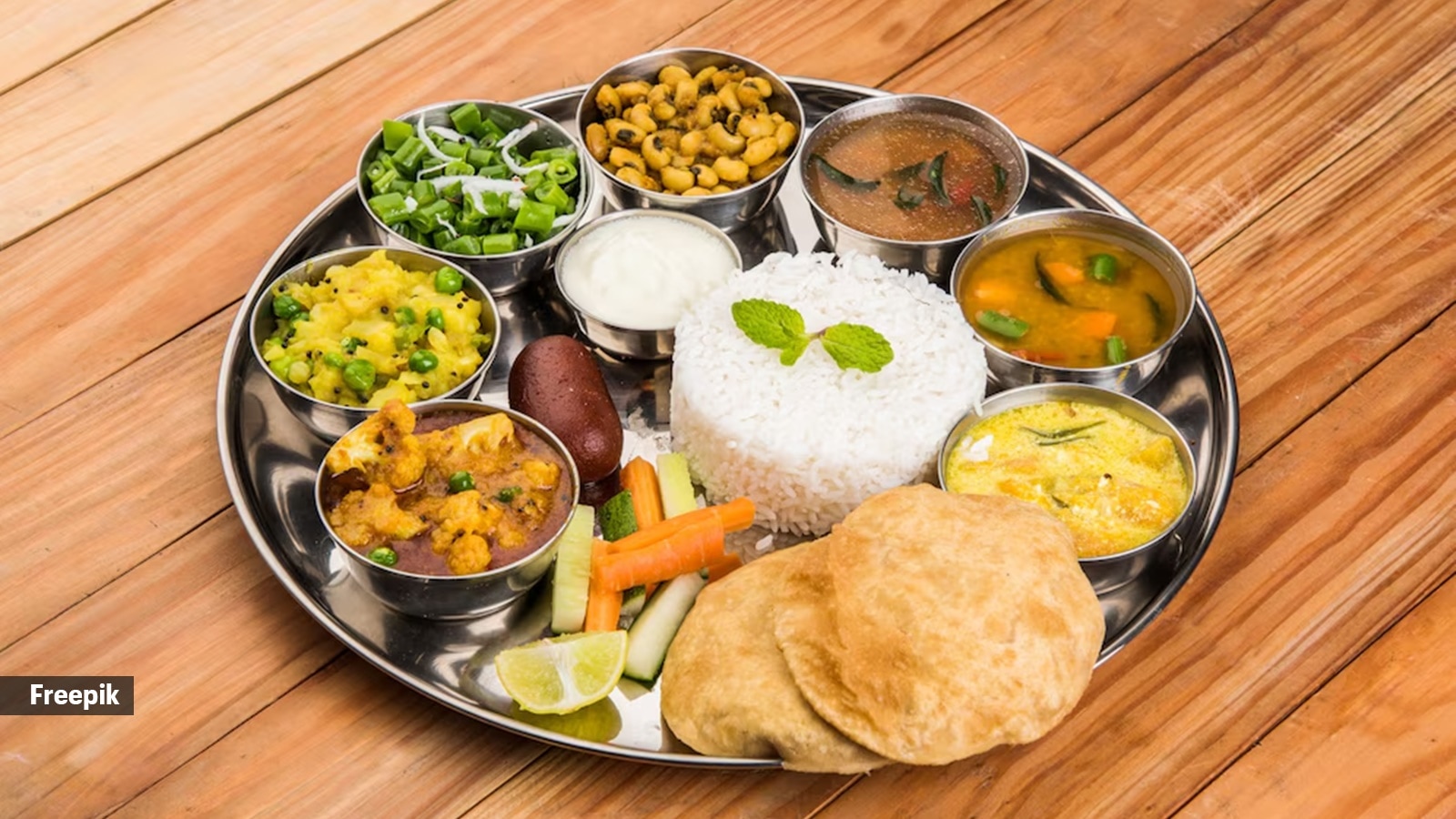
South Indians have a higher risk of diabetes compared to North Indians.
This is because they often have less muscle and more belly fat, which makes it harder for their bodies to manage blood sugar.
Traditional South Indian meals are usually high in carbs like white rice and low in protein and fiber.
This can cause blood sugar levels to spike and crash, making the body less sensitive to insulin over time.
Experts suggest making small changes to help, like eating more protein, doing strength exercises, and moving around more during the day.
These changes can help keep blood sugar levels steady and reduce the risk of diabetes.

South Indians have a higher risk of diabetes due to metabolic differences like lower muscle mass and higher visceral fat.
Traditional South Indian diets are high in polished white rice and carbs, with fewer proteins or fibers, leading to unstable blood sugar levels.
Experts recommend increasing protein intake, adding strength exercises, and reducing sedentary time to improve blood sugar regulation.
Small changes like starting meals with protein, adding more vegetables, and portioning carbs more consciously can help balance blood sugar levels.
Improving sleep quality and managing stress are also important for regulating fat storage and appetite.
- Who
- South Indians
- What
- Higher risk of diabetes compared to North Indians
- When
- Not specified
- Where
- South India
- Why
- Due to metabolic and dietary differences, including lower muscle mass, higher visceral fat, and carb-dominant diets
- Population
- South Indians
- Risk Factor
- Higher diabetes risk compared to North Indians
- Metabolic Differences
- Lower muscle mass, higher visceral fat
- Dietary Pattern
- High in polished white rice and carbs, low in protein and fiber
- Recommended Changes
- Increase protein intake, add strength exercises, reduce sedentary time
- Expert
- Dr Swathi R Bhat, MBBS, MD, Internal Medicine
- Additional Experts
- Kanikka Malhotra, Dr Jagadish Hiremath