Archive · 4 Sep 2026
South Korea Weighs Hormuz Military Role Amid Trump Pressure
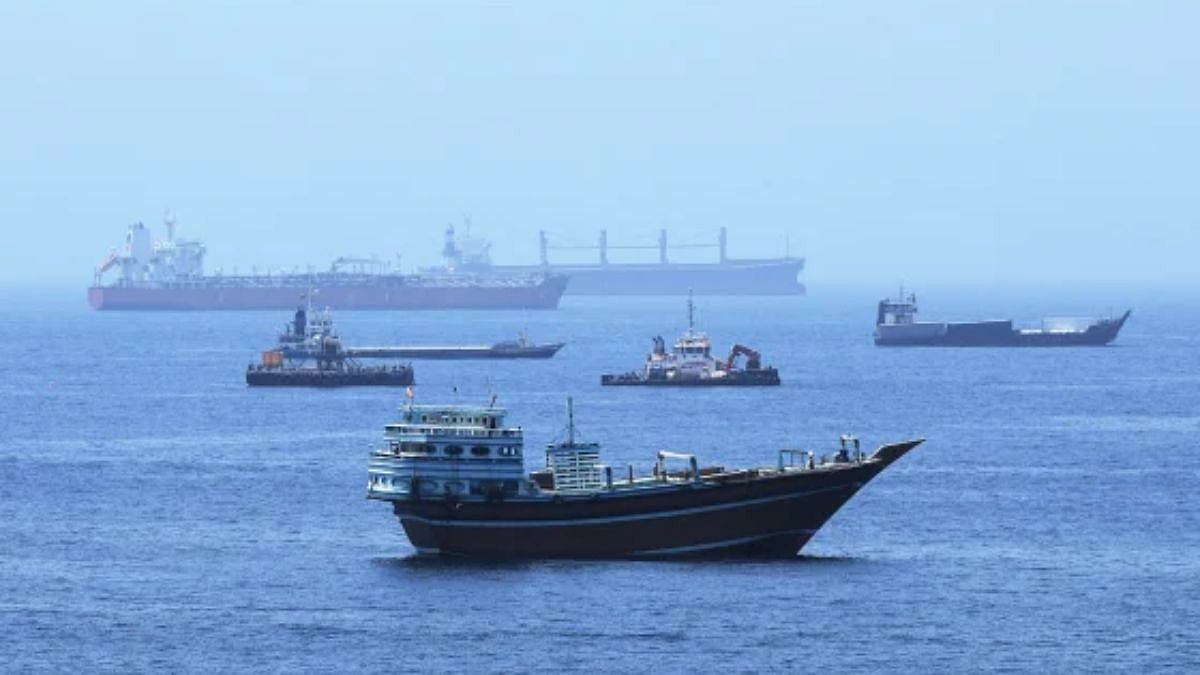
South Korea is thinking about helping ships travel safely through the Strait of Hormuz.
It may send a support ship, a patrol aircraft, or equipment to find and remove sea mines.
The possible mission would mainly protect commercial ships rather than involve direct fighting.
South Korea has discussed the idea with the United States, Britain, and France.
Reports said the government might ask parliament to approve the plan.
However, South Korea’s presidential office said no final decision has been made.
The United States has pressured South Korea to provide more help related to the conflict with Iran.
South Korea also wants to make sure any mission does not weaken its defenses at home.

South Korea is reviewing military contributions to support freedom of navigation in the Strait of Hormuz.
Options reportedly include a logistics support vessel, maritime patrol aircraft, and mine-detection or clearance capabilities.
Officials have discussed the possible mission’s size and scope with the United States, Britain, and France.
Reports said the government was preparing parliamentary approval procedures, potentially including a consent motion this month.
Seoul’s presidential office said no final deployment decision had been made and emphasized maintaining readiness on the Korean Peninsula.
- Who
- South Korea, with discussions involving the United States, Britain, and France; US President Donald Trump has pressured Seoul to contribute.
- What
- South Korea is considering a limited military contribution to support navigation and maritime security in the Strait of Hormuz.
- When
- Reports published on Thursday, September 3, said the government was targeting a possible deployment before the end of the year; the presidential office later said discussions were ongoing.
- Where
- The Strait of Hormuz.
- Why
- The proposed mission would help protect commercial shipping and freedom of navigation, while South Korea is also concerned about energy supplies passing through the strait and responding to US pressure.
Supporters of a Limited Contribution
Cautious Government Position
Maritime security role
Supporters of a Limited Contribution
A South Korean logistics ship, patrol aircraft, or mine-clearance capability could support freedom of navigation and protect commercial shipping in the Strait of Hormuz.
Cautious Government Position
The presidential office said reports portraying a deployment as approved or imminent did not accurately reflect the situation, because discussions were still underway.
Response to US pressure
Supporters of a Limited Contribution
A contribution could address US criticism that South Korea has provided insufficient support related to the conflict with Iran.
Cautious Government Position
South Korea has not committed to a mission and must balance any overseas role with legal requirements and defense readiness on the Korean Peninsula.
Timing and scope
Supporters of a Limited Contribution
Media reports described preparations for parliamentary approval and a possible deployment before the end of the year.
Cautious Government Position
Officials stressed that no final decision had been taken, and the eventual size and scope of any contribution remained unsettled.
- Mission under review
- Supporting freedom of navigation and protecting commercial shipping in the Strait of Hormuz.
- Possible assets
- A naval logistics support vessel, maritime patrol aircraft including P-8A aircraft, or mine-detection and clearance capabilities.
- Parliamentary approval
- Any deployment involving South Korean troops would require National Assembly approval; reports said a consent motion could be submitted this month after cabinet review.
- Reported timeline
- Media reports said Seoul was focusing on sending assets before the end of the year.
- International discussions
- South Korea discussed the possible contribution’s size and scope with the United States, Britain, and France.
- Government position
- The presidential office said Seoul was exploring practical options but had not approved or finalized a deployment.
- Domestic priority
- Officials said any contribution must not undermine South Korea’s defense readiness on the Korean Peninsula.