1 week ago
Whey Isolate or Concentrate: Which Protein Fits You?

Whey protein is made from milk and can help people get enough protein.
Whey concentrate and whey isolate are two common types.
Concentrate is processed less, so it usually contains a little more lactose, fat and carbohydrates.
Isolate is filtered more, giving it more protein and less of those other ingredients.
Both types can help muscles grow when combined with enough food, exercise and rest.
Isolate may be easier for some people with mild lactose intolerance.
Concentrate may be the better choice if you digest dairy well and want to save money.
The best option depends on your digestion, diet, calorie goals and budget.

Whey concentrate typically contains 70–80% protein and retains more lactose, fat and carbohydrates.
Whey isolate is more heavily filtered and generally contains about 90% or more protein by weight.
Both forms provide essential amino acids and leucine and can support muscle growth and recovery.
Isolate may be easier to digest for some people with mild lactose intolerance, but it is not always lactose-free.
Concentrate is usually cheaper, while isolate may suit people tracking calories or limiting lactose and fat.
- Who
- People seeking to build muscle, improve recovery or increase their daily protein intake.
- What
- A comparison of whey protein concentrate and whey protein isolate, including their processing, nutrition, digestion and cost.
- Where
- When
- Why
- To help people choose a whey supplement that matches their protein needs, digestive tolerance, calorie goals and budget.
Whey Isolate
Whey Concentrate
Nutritional composition
Whey Isolate
Isolate generally provides a higher proportion of protein and less lactose, fat and carbohydrates per gram of powder.
Whey Concentrate
Concentrate contains somewhat more lactose, fat and carbohydrates but remains a high-quality protein source.
Digestive tolerance
Whey Isolate
Its lower lactose content may make isolate easier to digest for some people with mild lactose intolerance.
Whey Concentrate
Concentrate can work well for people who tolerate dairy, and bloating is not an inevitable effect.
Value for money
Whey Isolate
The higher price may be worthwhile for people tracking calories, limiting lactose or seeking a leaner protein powder.
Whey Concentrate
Concentrate is often the better-value option when it is tolerated and already meets a person's protein needs.
Key facts
- Protein source
- Whey comes from milk and contains all nine essential amino acids, including leucine.
- Concentrate protein content
- Whey concentrate commonly contains about 70–80% protein by weight, depending on the product.
- Isolate protein content
- Whey isolate often contains about 90% or more protein by weight, depending on the product.
- Lactose
- Isolate generally contains less lactose than concentrate but is not necessarily completely lactose-free.
- Muscle building
- Both forms can support muscle growth when total protein, resistance training, calorie intake and recovery are adequate.
- Active individuals' protein range
- A commonly used range for active people seeking to build or preserve muscle is roughly 1.4–2.0 grams per kilogram of body weight daily.
- Cost
- Concentrate is generally more affordable because it undergoes less processing.
Sources
Related news

Why Indian Consumers Are Choosing Cleaner Whey Formulations
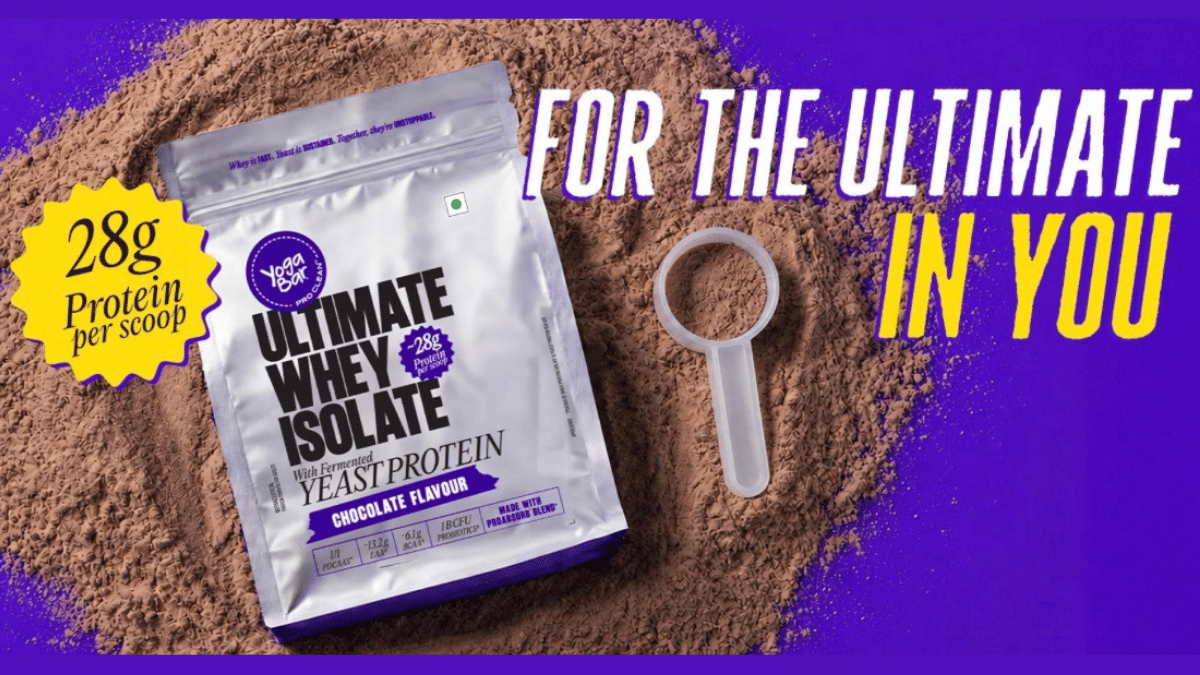
Yoga Bar Launches Whey Isolate With Fermented Yeast Protein

Protein Powder Labels: Key Ingredients to Check Before Buying

Cottage Cheese Protein Claims Outpace the Direct Evidence

Dairy Gains Attention in India’s Growing Fitness Movement