1 day ago
India Revises Investment Treaties After 2016 Reset
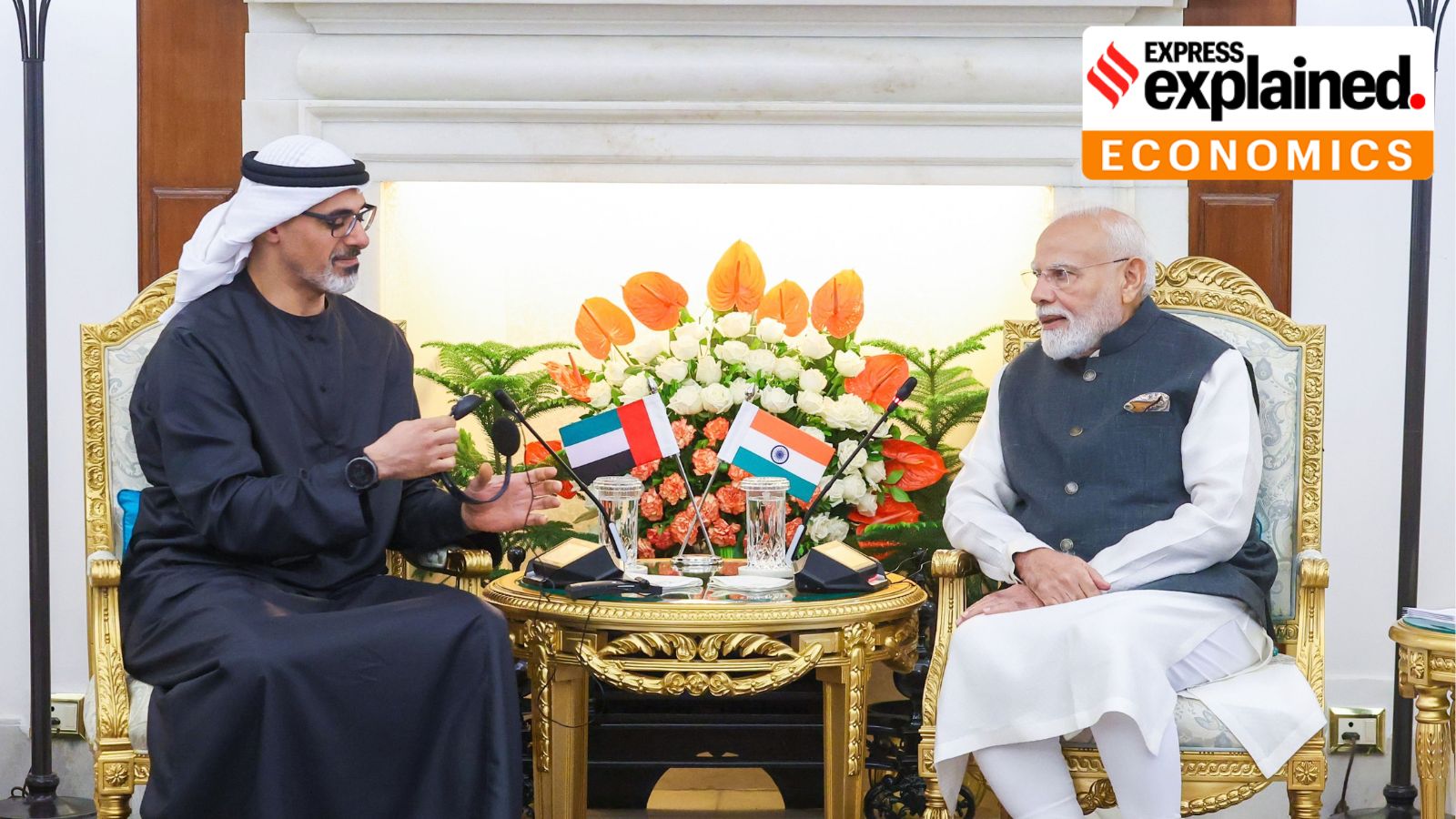
A bilateral investment treaty is a set of rules between two countries about companies investing in each other.
India changed its treaty approach in 2016 and ended or sought to renegotiate many older agreements.
Now India is reviewing its model treaty to make it more welcoming to investors.
Some new agreements have already been signed, including with Saudi Arabia, Israel and the UAE.
The agreements set waiting periods during which investors must first try to resolve disputes through local systems.
The UAE agreement sets that period at three years, and the Saudi agreement sets it at two years.
Investors say they need a fair way to challenge treaty violations.
Governments also want to keep the ability to make rules for the public good.
India’s challenge is to protect both investors and its freedom to govern.

India is reviewing its 2016 model bilateral investment treaty to make it more investor-friendly and attract sustained foreign investment.
Finance Minister Nirmala Sitharaman said the revised template would be approved by the Cabinet shortly; officials expect four or five agreements by year-end.
India has signed newer agreements with Saudi Arabia, Israel and the UAE, with different timelines for pursuing local remedies before international arbitration.
The UAE treaty sets a three-year local-remedies period, while the recently finalised Saudi deal allows investors to approach international arbitration after two years.
The debate centers on balancing investor access to arbitration and protection with governments’ ability to regulate and preserve policy space.
- Who
- The Government of India, including Finance Minister Nirmala Sitharaman, and its investment-treaty partners.
- What
- India is reviewing its 2016 model investment treaty and has signed newer agreements, including with Saudi Arabia, Israel and the UAE.
- Where
- The agreements govern investment between India and partner countries, including Saudi Arabia, Israel and the UAE.
- When
- The review was announced in the 2025-26 Union Budget; Sitharaman said the revised template would be approved shortly. The UAE agreement dates to 2024, and the Saudi deal was finalised the week before the report.
- Why
- India aims to attract sustained foreign investment while balancing investor protection with the state’s right to regulate.
Investor access and protection
State policy space and regulation
Waiting period for local remedies
Investor access and protection
Investors and treaty-policy experts cited in the article favor a shorter, workable period—around one or two years—before an international claim can be brought.
State policy space and regulation
India has required investors to pursue local remedies first; the stated rationale is to allow grievances to be assessed and potentially resolved before arbitration.
Investor-state arbitration
Investor access and protection
ISDS gives foreign investors a mechanism to bring claims against host states for alleged treaty violations.
State policy space and regulation
Critics cited in the article argue that arbitration can favor foreign corporations, impose substantial legal costs, constrain national policy and discourage regulation.
Treaty protections and national authority
Investor access and protection
Supporters of investment treaties emphasize legal certainty and protection for investors operating in another country.
State policy space and regulation
India and other developing countries have sought to preserve policy space amid concerns that tribunal decisions can encroach on domestic policymaking.
Key facts
- Treaty review
- India is reviewing its 2016 model BIT to make it more investor-friendly.
- Expected agreements
- The article reports expectations that four or five agreements could be concluded by year-end.
- UAE local-remedies period
- Three years under the India-UAE BIT signed in 2024.
- Saudi local-remedies period
- Two years before an investor can approach international arbitration under the recently finalised deal.
- Earlier treaty network
- India signed BITs with 83 countries under the 1993 model, as amended in 2003; 74 were ratified.
- Termination notices
- India issued termination notices to 68 countries and requested renegotiation based on the 2016 model.
- Government position
- The Saudi agreement is described by a government official as balancing investor protection with the state’s right to regulate.
Quotes
Government official
A government official commenting on the India-Saudi Arabia BIT.
“The 2-years exhaustion of local remedies requirements provides investors enhanced access to the Investor State Dispute Settlement (ISDS) mechanism. At the same time, the agreement carefully balances investor protection with the State’s right to regulate in the public interest, thereby preserving sufficient policy space for sovereign governance.”
 indianexpress.com
Prabhash Ranjan
Professor at Jindal Global Law School.
“The model BIT should provide for a one to two year period for pursuing local remedies, and no more.”
indianexpress.com
Sources
Related news

India’s Investment Treaties Shrunk After 2016 Model BIT

India's New Investment Treaty Framework Awaits Cabinet Approval

India-Saudi Investment Pact Cuts Arbitration Remedy Window to Two Years

Sitharaman Holds Talks on Investment and Cooperation Abroad

India and Russia Advance Investment Treaty Talks, Economic Cooperation

Sitharaman Says India Needs Distinct Trade Templates

AI Showdown At UN Over Global Rules

Report Urges EU to Follow UK’s India Trade Strategy
Trump’s pressure campaign strains alliances and reshapes global ties
Goyal Proposes Easier FDI Rules and Higher Approval Thresholds