

Archive · 16 Jan 2026
India's Push for Solar- Integrated Buildings
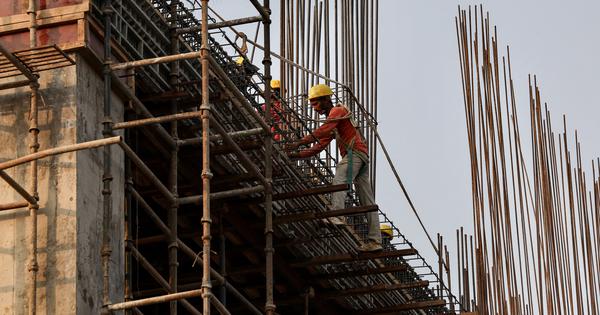
India and other developing countries are facing a big challenge with building more structures as their cities grow.
By 2060, the world's building area is expected to double, mostly in places like Asia, Africa, and Latin America.
Building Integrated Photovoltaics is a smart solution that puts solar cells directly into buildings, making them part of the structure.
This helps reduce emissions, saves energy, and makes buildings more resilient to climate change.
In India, buildings are a big source of greenhouse gases, so using this technology is important.
It's not just about adding solar panels; it's about changing how we design and build cities.
This approach can make buildings more comfortable, last longer, and even create jobs.
Organizations like the International Solar Alliance and India's GRIHA are helping to make this happen by providing support and setting standards.
By using this technology, countries can build cities that are more sustainable and better prepared for the future.

Building Integrated Photovoltaics integrates solar cells into building structures, making energy generation part of the building's design.
India's construction sector accounted for 17% of national greenhouse gas emissions in 2019, highlighting the urgency of decarbonizing construction.
Building Integrated Photovoltaics offers benefits beyond emissions reduction, including improved thermal comfort, aesthetics, and extended lifespan of construction materials.
The International Solar Alliance and India's GRIHA are playing pivotal roles in promoting and implementing Building Integrated Photovoltaics through policy advocacy, technical assistance, and capacity building.
Wider adoption of Building Integrated Photovoltaics can drive economic opportunities, create jobs, and foster more inclusive, resilient cities.
- Who
- India, developing countries, International Solar Alliance, GRIHA
- What
- Adoption of Building Integrated Photovoltaics in construction
- When
- Urgent due to rapid urbanization and climate change
- Where
- Primarily in emerging economies in Asia, Africa, and Latin America
- Why
- To reduce construction emissions, enhance climate resilience, and promote sustainable urban development
- Total Floor Area
- Expected to double by 2060
- Building Integrated Photovoltaics
- Integrates solar cells into building structures
- India's Construction Emissions
- 17% of national greenhouse gas emissions in 2019
- International Solar Alliance
- Promotes solar adoption in Global South
- GRIHA
- India's green building rating system