

Archive · 21 Sep 2026
Academics Urge Bengal Governor to Halt University Transfer Bill
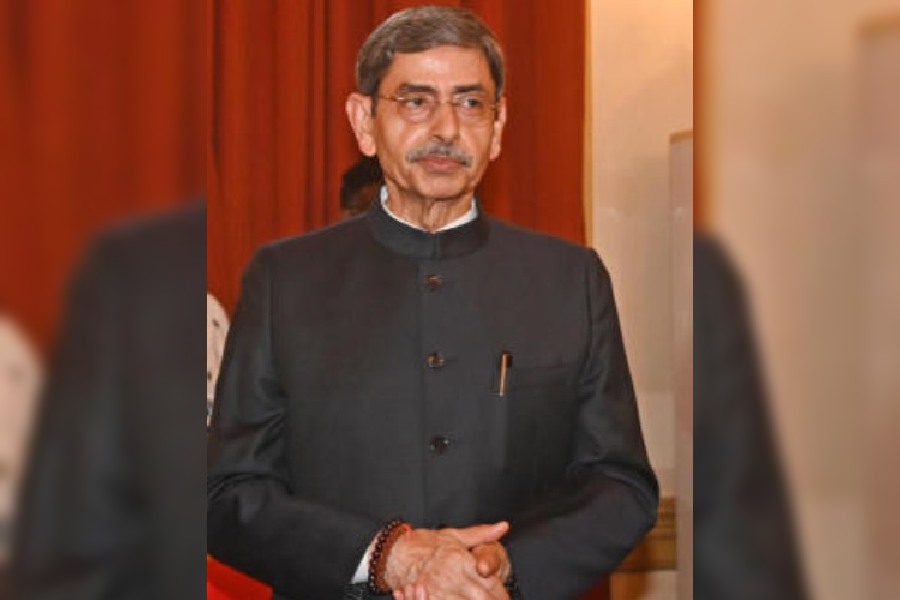
A group of senior academics has asked Bengal’s Governor not to approve a new university law.
The law would let staff move between state-aided universities.
The academics say every university has its own courses, teachers, laboratories and research plans.
They worry that moving teachers could hurt students and ongoing research.
Research students might lose supervisors, and important research grants could be affected.
They also say older universities already have many vacant posts.
The government has said transfers could help newer universities that lack teachers.
The academics instead want new universities to receive planned hiring, funding and facilities, and they fear the law could reduce university independence.

Fourteen senior academics urged Governor R N Ravi to withhold assent to the 2026 amendment Bill.
The Bill would allow teaching and non-teaching staff to transfer between state-aided universities.
Academics warned transfers could disrupt teaching, research, faculty balance and supervision of research scholars.
They said older universities already face vacancies, while newer institutions need planned recruitment, infrastructure and funding.
Supporters say transfers could strengthen newer universities, while critics call the measure centralising and damaging to autonomy.
- Who
- Fourteen senior academics, including former vice-chancellors, professors and institutional heads, addressed Governor and Chancellor R N Ravi.
- What
- They urged him not to approve the West Bengal Universities and Colleges (Administration and Regulation) (Amendment) Bill, 2026, which would permit staff transfers between state-aided universities.
- When
- The Bill was passed by the West Bengal Assembly on September 10; the academics’ representation was reported on September 20.
- Where
- West Bengal, India.
- Why
- The academics said transfers could damage teaching, research, staffing, institutional autonomy and the continuity of externally funded projects.
Academic Critics
Government Supporters
Purpose and likely impact
Academic Critics
The academics said transferring staff would weaken established universities and could provide little material benefit to newer ones, especially where infrastructure is inadequate.
Government Supporters
Suvendu Adhikari said the government intended to move senior professors from established universities to newer universities lacking teachers and described the policy as a way to strengthen them.
University autonomy
Academic Critics
The signatories said the mechanism could bring universities under centralised administrative control and undermine their ability to develop according to their individual academic strengths.
Government Supporters
Suvendu Adhikari said the state government had the right to exercise control over universities it funded.
Staffing solution
Academic Critics
The academics argued that vacancies and shortages should be addressed through planned recruitment, permanent appointments, funding and infrastructure rather than sporadic transfers.
Government Supporters
The government’s stated approach is to use transfers to provide teachers to newer universities that reportedly lack staff, including institutions said to have no full-time teachers.
- Bill
- West Bengal Universities and Colleges (Administration and Regulation) (Amendment) Bill, 2026
- Assembly passage
- Passed by the West Bengal Assembly on September 10
- Proposed authority
- The Chancellor, in consultation with the state government, could transfer staff between state-aided universities for administrative reasons.
- Covered employees
- The Bill concerns teaching and non-teaching staff.
- Transfer terms
- Transferred employees could retain their lien at the original university or opt for permanent absorption at the new university.
- Academic concerns
- Signatories said transfers could disrupt courses, research programmes, faculty balance, research supervision, laboratories and libraries.
- Alternative proposal
- The academics called for planned recruitment, adequate funding and stronger infrastructure at newer universities.

