

Archive · 30 Dec 2025
Gujarat High Court Rules Ambaji Temple Public Property
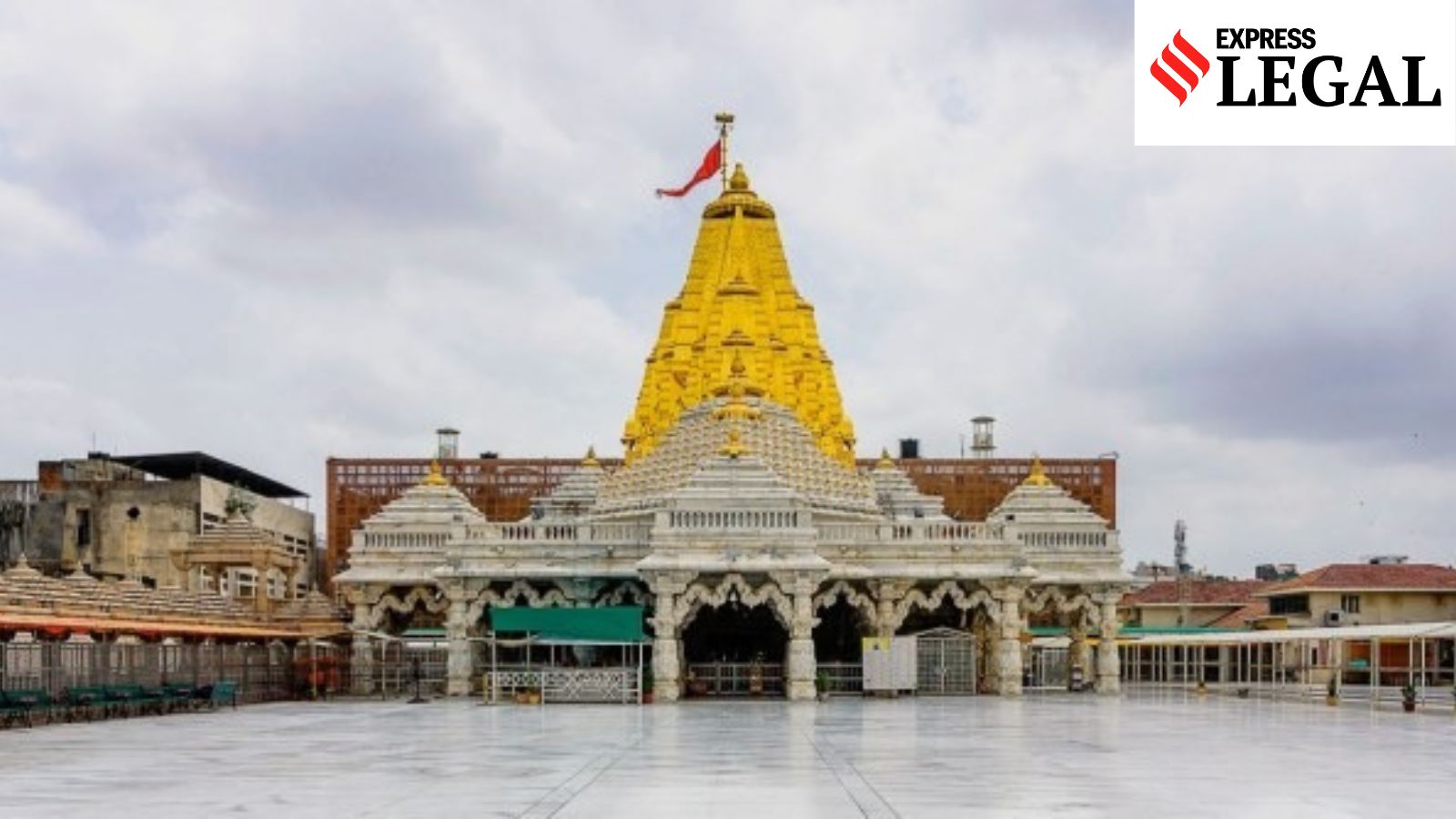
The Gujarat High Court recently made a big decision about a very old temple in India.
The court said that the Ambaji Temple belongs to the public and not to a royal family.
The royal family had been arguing for many years that the temple was their private property and that they should have special rights to perform certain religious ceremonies there.
The court looked at old rules and previous court decisions and decided that the temple is for everyone.
The royal family cannot claim special rights or say the temple is theirs.
This decision ends a long argument that started even before India became independent.

Gujarat High Court rules Ambaji Temple is public property, rejecting Danta royal family's claims.
Court dismisses family's plea for special hereditary privileges to perform religious rituals.
Decision upholds 1957 Supreme Court ruling that temple property belongs to the deity, not the royal family.
Court cites Article 363 of the Constitution, stating the family's claim of private property is not tenable.
Dispute spans over 70 years, originating from pre-independence India and the 1948 Merger Agreement.
- Who
- Gujarat High Court, Heirs of Danta royal family
- What
- Ruling that Ambaji Temple is public property, rejecting royal family's claims
- When
- Recent ruling, dispute started in 1953
- Where
- Gujarat, India
- Why
- To resolve a 70-year-old dispute over temple ownership and privileges
- Temple
- Arasuri Ambaji Temple
- Dispute Duration
- 70 years
- Court
- Gujarat High Court
- Key Figures
- Heirs of Danta royal family
- Supreme Court Ruling
- 1957
- Article Cited
- Article 363 of the Constitution of India
- Special Privileges Denied
- Offering puja, performing havan, waving chamar