Archive · 3 Oct 2025
Comet 3I/ATLAS Approaches Mars; Observational Opportunities
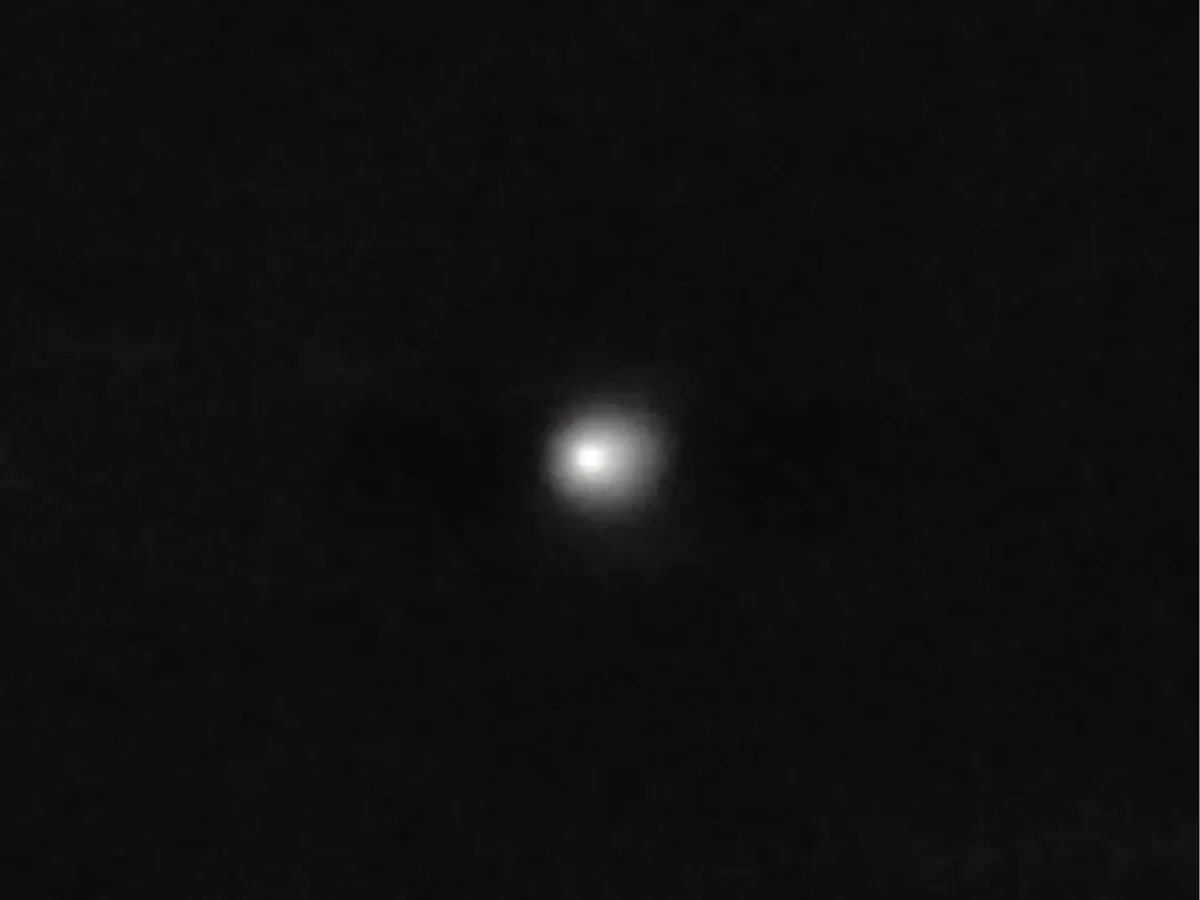
A comet named 3I/ATLAS is traveling from outside our solar system, and it is going to pass by Mars.
Several orbiters from different space agencies, like ESA and NASA, will observe the comet.
They will try to take photos and measure the gases and dust around it.
The comet will not be visible to the naked eye from Earth.
The comet will continue toward the sun, where it will be observed by other spacecraft.
This rare event allows scientists to learn about comets from other star systems.

Comet 3I/ATLAS will pass near Mars on October 3.
ESA, NASA, and China are using orbiters to observe the comet.
NASA's Mars Reconnaissance Orbiter may capture the clearest images.
The comet will not be visible to the naked eye from Earth.
ESA's JUICE spacecraft will also observe the comet near the Sun.
- Who
- ESA, NASA, China, and scientists
- What
- Observing the interstellar comet 3I/ATAS
- When
- Closest approach to Mars on October 3; closest approach to the Sun on October 29-30; closest approach to Earth at a distance of 240 million kilometers.
- Where
- Near Mars and the inner solar system
- Why
- To study an interstellar comet.
ESA
NASA
Image Quality
ESA
ESA is trying to get images but won't be able to resolve the nucleus.
NASA
NASA's HiRISE camera on MRO could capture the clearest images.
- Object Name
- 3I/ATLAS
- Closest Approach to Mars
- 30 million km (October 3)
- Closest Approach to Earth
- 240 million km
- Agencies Observing
- ESA, NASA, China
- ESA Orbiters
- Mars Express, ExoMars Trace Gas
- NASA Orbiter
- Mars Reconnaissance Orbiter
- Will it be Visible to the Naked Eye
- No
Sources
October 29: The day of reckoning for 3I/ATLAS - Scientist warns of historic shift

Scientists gear up for close-up look at interstellar visitor 3I/ATLAS, with comet set to fly past Mars

Interstellar Comet Swinging Past Mars As A Fleet Of Spacecraft Looks On