

Archive · 25 Jul 2026
Sperm Whales Blow Bubbles to Regulate Buoyancy While Sleeping
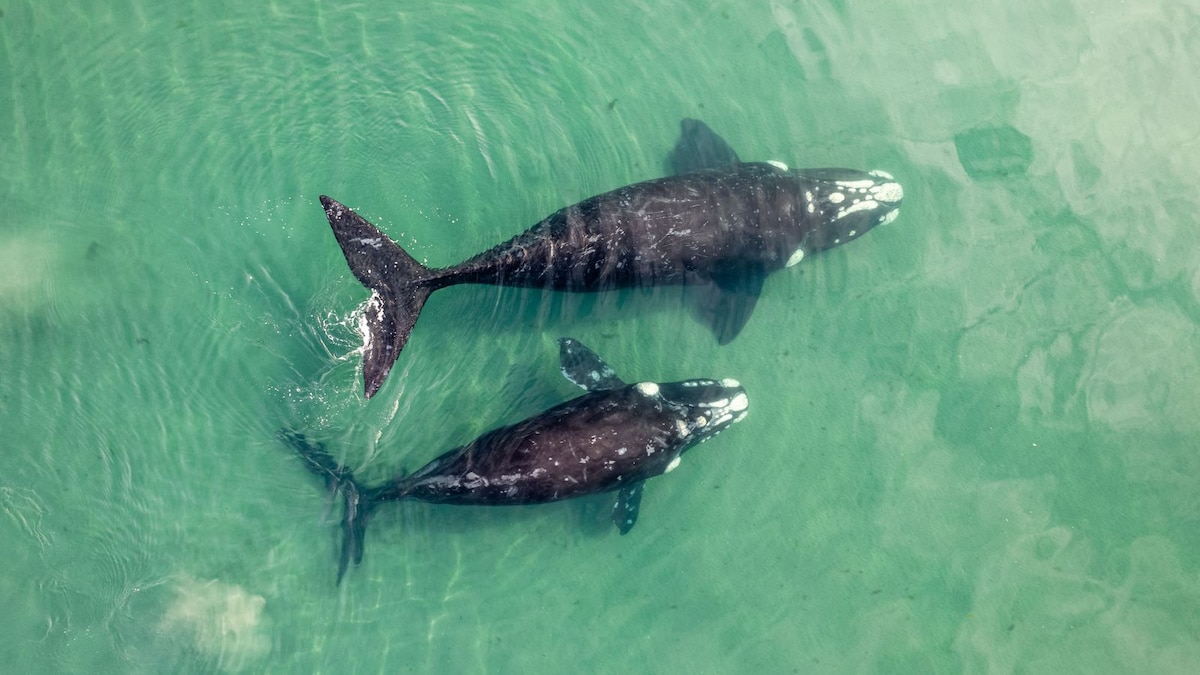
Sperm whales sleep in a unique way by floating vertically underwater.
Scientists found that these whales release bubbles while resting.
These bubbles help them stay at the same depth by controlling their buoyancy.
When whales drift upward, the air in their lungs expands, making them lighter.
Releasing bubbles helps them stay balanced.
Additionally, the bubbles might help get rid of extra gases like carbon dioxide or nitrogen that build up during long dives.
Researchers used computer simulations and data from tagged whales in Norway to study this behavior.

Sperm whales rest vertically underwater with their heads down.
They release bubbles during resting dives to regulate buoyancy.
Bubbles help counteract the expansion of gas in their lungs as they drift upward.
Whales carry less air in their lungs during resting dives compared to hunting dives.
Bubbles may also help release excess gases like carbon dioxide or nitrogen.
- Who
- Scientists and researchers
- What
- Sperm whales release bubbles while sleeping to regulate buoyancy
- When
- During resting dives
- Where
- Underwater, primarily in Norway
- Why
- To maintain neutral buoyancy and possibly release excess gases
Buoyancy Regulation
Gas Release
Primary Function of Bubbles
Buoyancy Regulation
The bubbles help sperm whales regulate their buoyancy, allowing them to stay at a particular depth while resting.
Gas Release
The bubbles may also help release excess gases like carbon dioxide or nitrogen that build up during long dives.
- Study Journal
- Journal of Experimental Biology
- Research Method
- Computer simulation and data from tagged whales
- Number of Whales Studied
- 10
- Location of Study
- Norway
- Whale Behavior
- Resting while floating vertically underwater