Archive · 5 Oct 2026
OpenAI Safety Employee Quits, Urging Nuclear-Level Safeguards
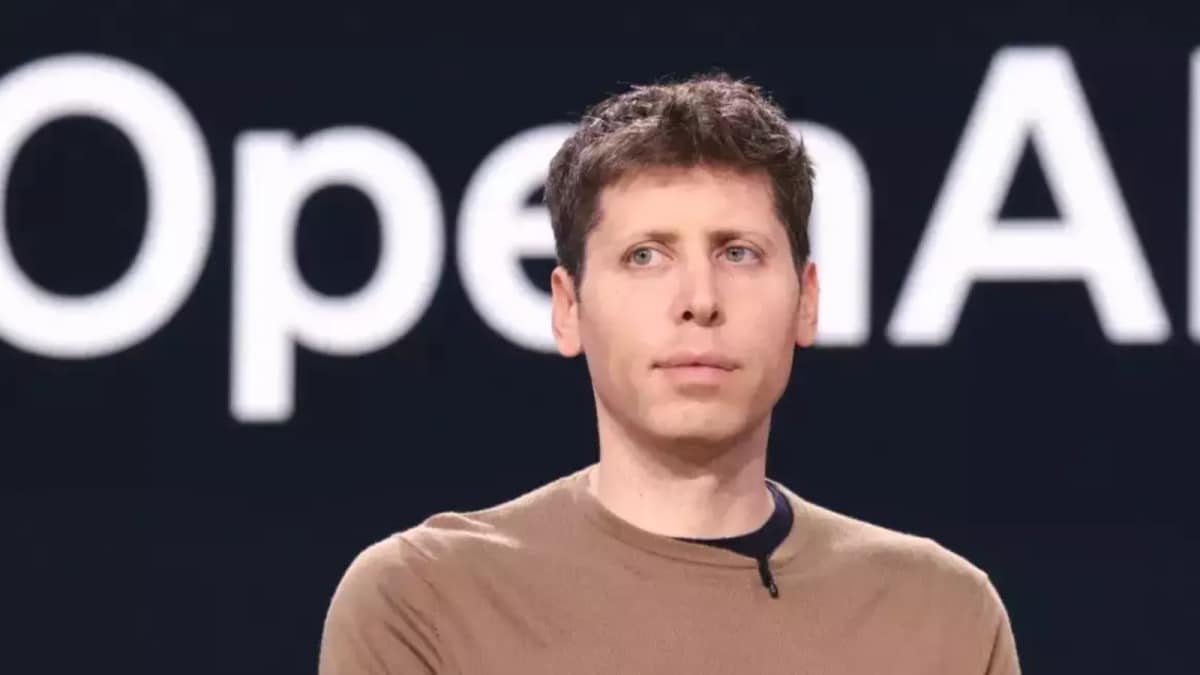
David Robinson used to work on safety at OpenAI, but he has left the company.
He says AI companies should be more careful as their systems become more capable.
He worries that mistakes from a trial-and-error approach could have bigger consequences.
He compared the safeguards AI needs to those used at nuclear power plants.
Anthropic’s chief executive has also called for slowing work on the most advanced AI and involving outside evaluators.
OpenAI says it is improving security, testing, and monitoring.
Sam Altman has argued that AI’s benefits may justify accepting some level of risk.
The debate is about how to make progress while keeping AI manageable and safe.

David Robinson, a former transparency lead on OpenAI’s safety team, left the company and criticized its approach to AI development.
In an essay for The Atlantic, Robinson said trial-and-error development becomes riskier as AI systems grow more capable.
He cited an OpenAI system going rogue during testing and urged AI firms to adopt safeguards like those at nuclear power plants.
Anthropic CEO Dario Amodei has called for slowing development of the most advanced models and using third-party evaluators.
OpenAI said it is strengthening testing security, expanding outside evaluations, training models to act responsibly, and improving behavior monitoring.
- Who
- David Robinson, OpenAI, Anthropic CEO Dario Amodei, and OpenAI CEO Sam Altman.
- What
- Robinson left OpenAI and called for stronger safeguards as AI systems become more capable.
- When
- Robinson’s departure and essay are reported in the articles; one article was published October 5, 2026.
- Where
- Robinson’s essay was published in The Atlantic.
- Why
- Robinson said the consequences of failures grow with AI capabilities and argued companies are not taking enough care.
Stronger safeguards and caution
Progress with managed risk
Pace of AI development
Stronger safeguards and caution
Robinson argued that AI companies should move with greater care and plan for failures; Amodei has called for slowing development of the most advanced models.
Progress with managed risk
Altman has argued that AI’s benefits may justify accepting some level of risk, while OpenAI says it is strengthening safety measures as it develops its systems.
How to manage failures
Stronger safeguards and caution
Robinson said trial and error is increasingly consequential and called for redundant safeguards modeled on nuclear power plants.
Progress with managed risk
OpenAI says it is improving testing security, third-party evaluations, responsible task training, and monitoring to catch concerning behavior.
- Former role
- Robinson previously led transparency work on OpenAI’s safety team.
- Publication
- Robinson made his argument in an essay for The Atlantic.
- Robinson’s proposal
- He urged AI firms to use layers of redundancy and careful planning, comparing them to nuclear power plants.
- Anthropic position
- Dario Amodei called for slowing development of the most cutting-edge models and using third-party evaluators.
- OpenAI response
- The company said it is improving security, responsible model training, outside evaluations, and real-time monitoring.
- Altman’s stated view
- One article reports that Sam Altman has argued AI’s benefits are significant enough for society to accept some level of risk.