

Archive · 28 Oct 2025
Ilaiyaraaja's Fights Highlight Indian Music Copyright Ownership Issues
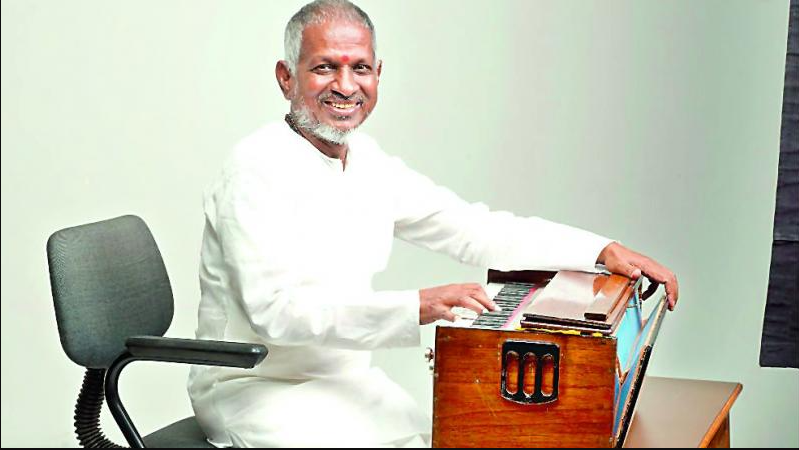
Imagine you create something special, like a drawing or a song.
You want to make sure everyone knows it's yours and you get paid if others use it.
A very famous Indian musician named Ilaiyaraaja is fighting for this.
For a long time, movie makers could use music written by composers without asking or paying them extra.
India changed its laws in 2012 to give composers and singers rights to get paid when their music is played.
But it's still hard because many contracts favor the movie makers.
Ilaiyaraaja's fight is about showing that music is art made by real people, not just something to be used.
It's about making sure artists are respected and credited for their work.
This is helping to change how people in the music industry think about creators.

Ilaiyaraaja is engaged in ongoing legal disputes concerning the ownership and authorship of his music, highlighting systemic issues in the Indian music industry.
Historically, Indian film music ownership laws favored producers, leading to composers often losing control and rights to their original compositions.
The Copyright (Amendment) Act of 2012 introduced statutory royalty rights for composers and singers, strengthening their moral rights and addressing digital usage.
Despite legal reforms and the establishment of collection societies, inconsistent enforcement and producer-biased contracts continue to challenge creators' rights.
Ilaiyaraaja's legal stand is viewed as a catalyst for a cultural shift, advocating for artists to be recognized as intellectual creators rather than solely hired talent.
- Who
- Ilaiyaraaja, composers, singers, musicians, producers, filmmakers, music labels, legal experts, independent musicians
- What
- Legal battles over music ownership, authorship, and royalty rights
- When
- Decades-long, with significant legal shifts following the 2012 Copyright Amendment Act
- Where
- India
- Why
- To assert creators' rights, authorship, and dignity in a system that historically favored producers and often failed to acknowledge composers' full creative claims.
Creators' Rights Advocates
Industry Practices/Producer Dominance
Authorship and Ownership
Creators' Rights Advocates
Composers are the authors of musical works and should retain rights to their creations, emphasizing moral and creative value beyond the film.
Industry Practices/Producer Dominance
Producers often acquire complete control of sound recordings through assignment agreements, effectively sidelining composers from future usage or profits.
Royalty Rights Enforcement
Creators' Rights Advocates
The 2012 amendment established statutory royalty rights for composers and singers, but inconsistent enforcement and producer-favored contracts hinder their collection.
Industry Practices/Producer Dominance
While laws exist, the reality is that assignment agreements are frequently drafted to favor producers, and composers often sign away their rights due to power imbalances, leading to a divergence between legal and practical ownership.
Perception of Artists
Creators' Rights Advocates
Artists should be recognized as intellectual creators, deserving of respect, fair contracts, and unions that protect their rights.
Industry Practices/Producer Dominance
The industry has historically treated creative labor as disposable, often viewing artists as mere talent-for-hire rather than acknowledging their full creative claims.
- Indian Copyright Act
- 1957
- Key Amendment
- Copyright (Amendment) Act, 2012
- Composer as Author
- Section 2(d) of the Indian Copyright Act, 1957
- Royalty Rights
- Introduced by the 2012 amendment for composers and singers
- Collection Societies
- IPRS (composers/lyricists), PPL (sound recordings), ISAMRA (singers/musicians)
- Industry Practice
- Assignment agreements often favor producers, overriding composer rights
- Legal Framework Evolution
- Lack of clear framework in '80s-'90s; addressed by 2012 amendment