

Archive · 24 Nov 2025
Swiss Court Ruling on Bond Wipe Out
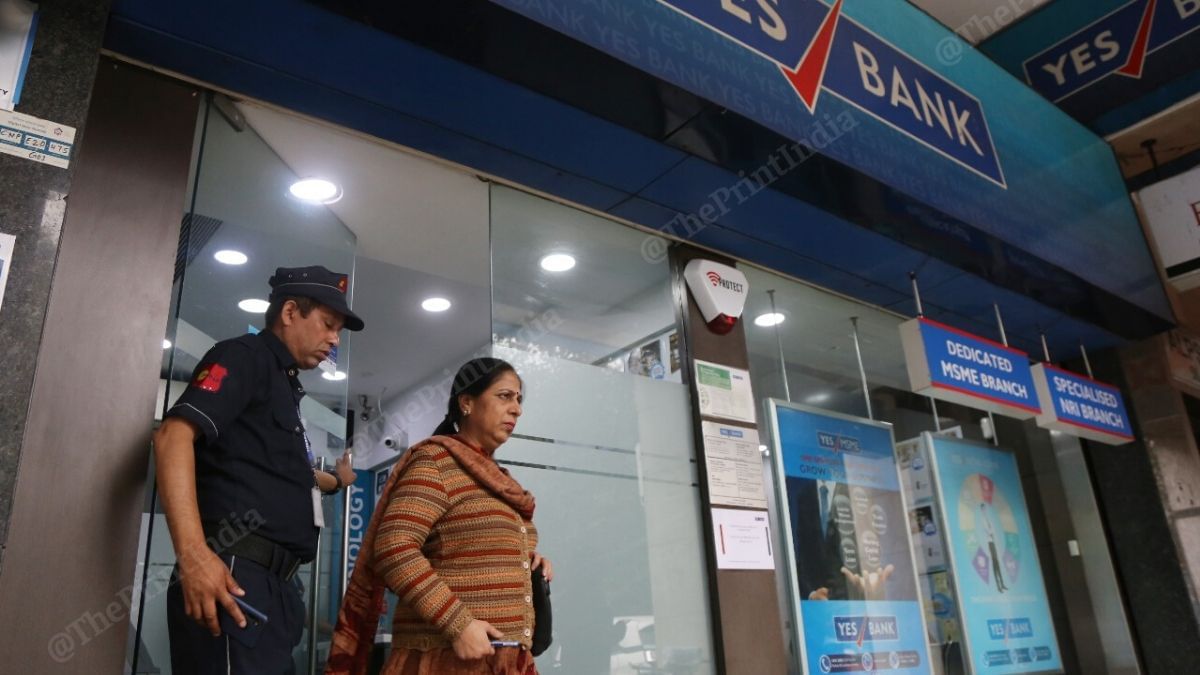
A Swiss court recently ruled that the decision to wipe out certain bonds of Credit Suisse without affecting equity shareholders was illegal.
This ruling has drawn comparisons to a similar situation in India involving Yes Bank.
In 2020, the Reserve Bank of India (RBI) wiped out some bonds of Yes Bank during its rescue, which was challenged in court.
The Indian Supreme Court is still considering this case.
The Swiss ruling highlights the importance of having clear laws to guide such decisions, especially in times of financial crisis.
In India, this situation underscores the need for a better system to handle bank failures, ensuring that all stakeholders know their rights and the process is transparent.

Swiss court ruled FINMA's decision to wipe out Credit Suisse's AT1 bonds illegal, emphasizing the need for clear legal foundations.
Yes Bank's rescue in 2020 involved wiping out AT1 bonds worth Rs 8,400 crore, challenging traditional creditor hierarchies.
Bombay High Court ruled in favor of Yes Bank bondholders, but the decision is under appeal in the Supreme Court.
The Supreme Court's handling of the Yes Bank case has been slow and unpredictable, with frequent scheduling changes.
The Swiss ruling serves as a reminder for India to establish a clear, transparent framework for financial-sector resolution.
- Who
- Swiss Federal Administrative Court, FINMA, RBI, Yes Bank, Credit Suisse, UBS, bondholders, equity shareholders.
- What
- Swiss court ruled FINMA's decision to wipe out AT1 bonds of Credit Suisse illegal, drawing parallels with Yes Bank's rescue in India.
- When
- Swiss court ruling in 2023, Yes Bank rescue in 2020, Supreme Court appeal pending since 2023.
- Where
- Switzerland and India.
- Why
- To address the legality and predictability of bank resolution processes and creditor hierarchies.
- Swiss Court Ruling
- Federal Administrative Court ruled FINMA's decision to wipe out AT1 bonds of Credit Suisse illegal.
- Yes Bank Rescue
- RBI wiped out AT1 bonds worth Rs 8,400 crore during Yes Bank's rescue in 2020.
- Bombay High Court
- Ruling in favor of bondholders, challenged by Yes Bank and RBI.
- Supreme Court Appeal
- Pending since 2023, with unpredictable scheduling and no substantial progress.
- Creditor Hierarchy
- Traditionally, equity shareholders are the first loss bearers in corporate finance.
- Financial Resolution Framework
- India lacks a structured, time-bound mechanism for resolving bank failures.
- Regulatory Premium
- Investors may price in a regulatory premium due to uncertainty in creditor hierarchies.
- Swiss Court's Stance
- Emphasizes the importance of clear legal foundations for regulatory actions.