Archive · 12 Oct 2026
Delhi Eases Curbs as CJP Protest Call Prompts Flash Demonstrations
The Cockroach Janta Party called for a protest asking election chief Gyanesh Kumar to resign.
After a large police crackdown on Saturday, Delhi relaxed some restrictions on Sunday.
Metro services started running again and internet restrictions were lifted.
But groups of five or more could still be detained in central Delhi.
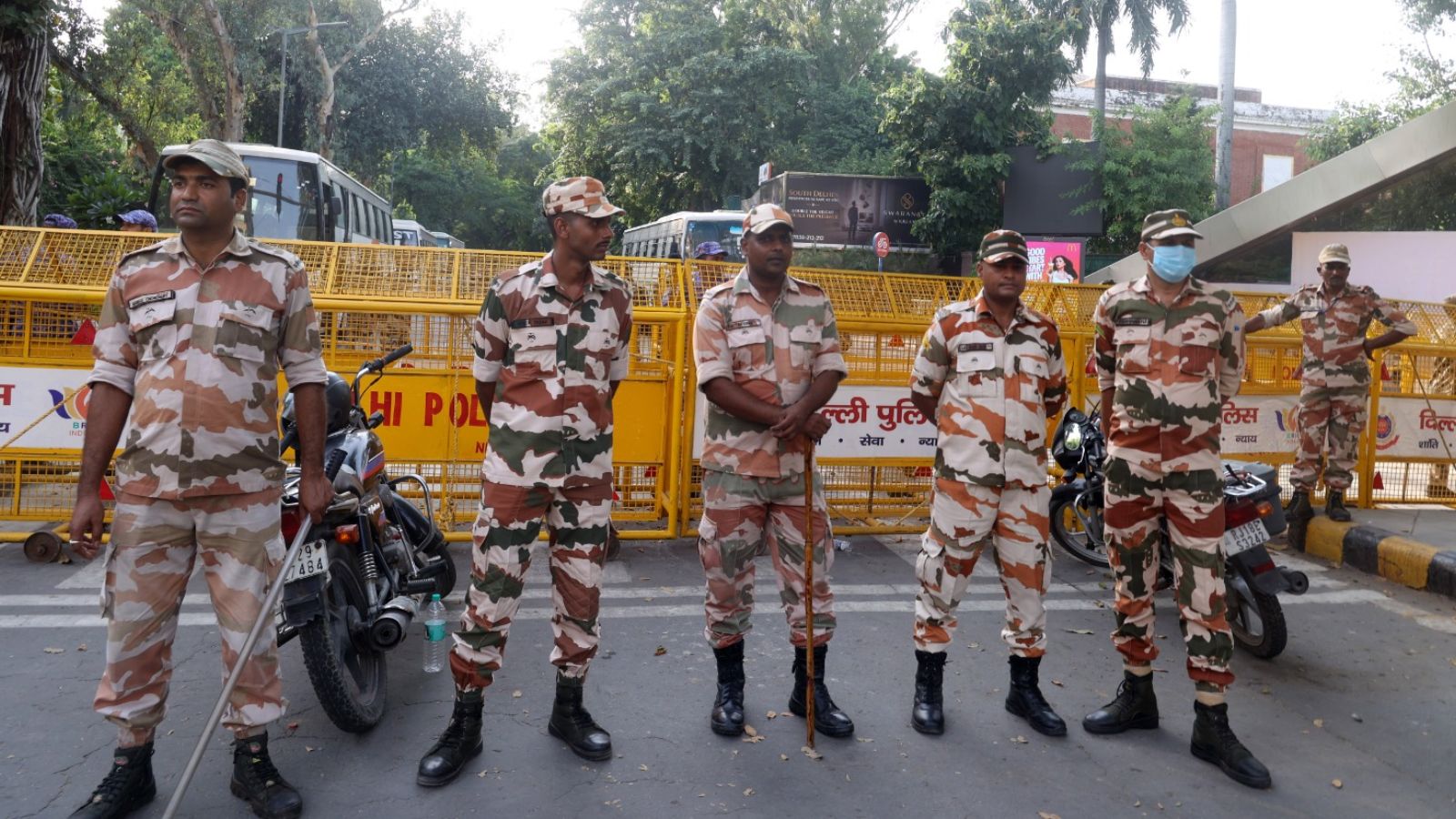
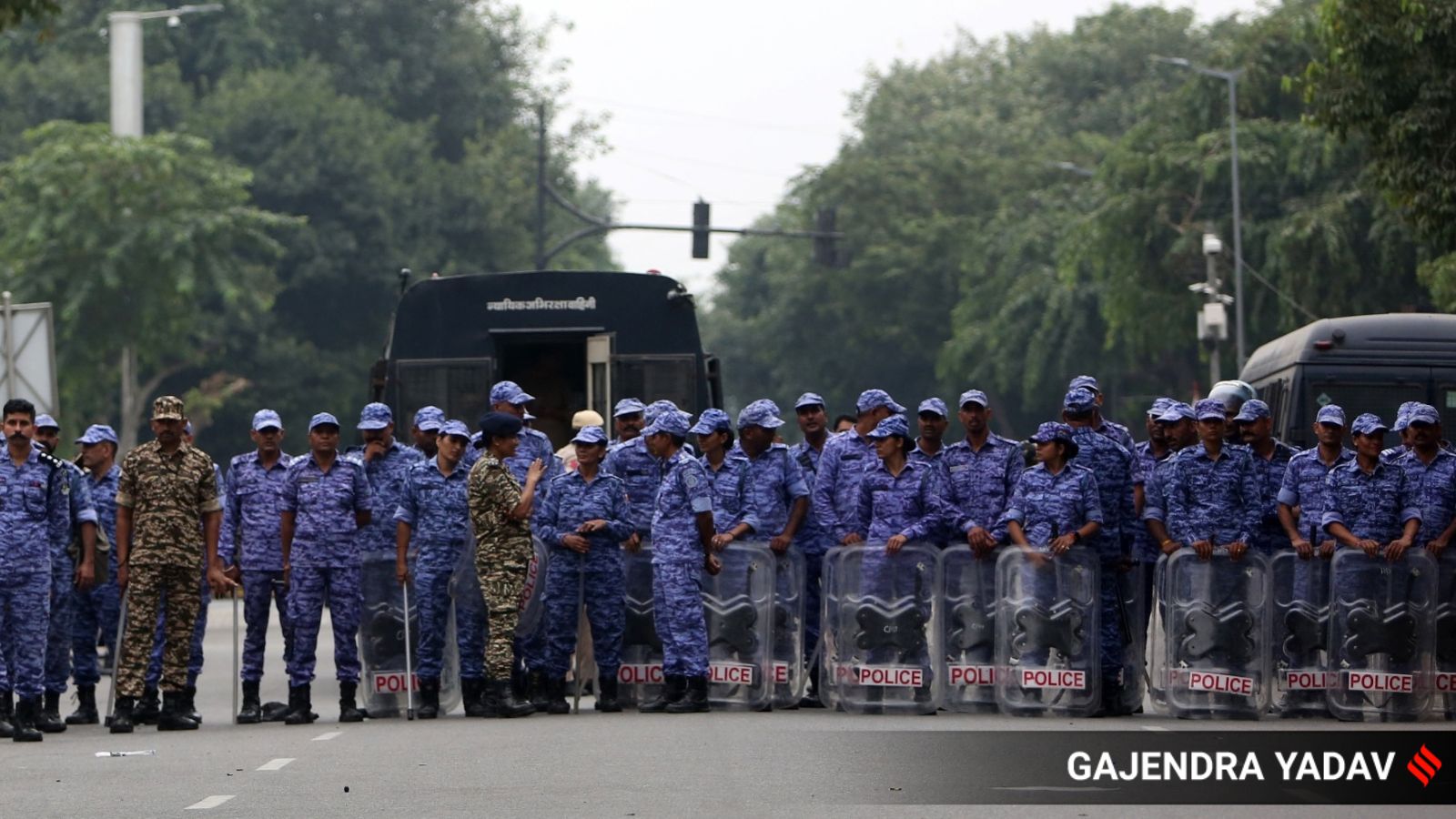
Many police and paramilitary personnel remained on duty, and some important roads stayed closed.
Small groups held quick protests in different places.
Police detained more than 500 people during these demonstrations.
A lawmaker, John Brittas, was also detained and later said security personnel had assaulted him.

Delhi slightly eased restrictions on Sunday, restoring metro services and lifting internet restrictions, while prohibitory orders remained in central Delhi.
Groups of five or more continued to face detention, and key roads near Parliament Street remained sealed with entry limited to people carrying identity cards.
About 30,000 police personnel and 200 companies of paramilitary forces remained deployed across the Capital on Sunday.
Smaller flash protests took place at several locations; more than 500 people were detained, including student activists and CPI(M) MP John Brittas.
The CJP protest called for Chief Election Commissioner Gyanesh Kumar’s resignation; some protesters also opposed the Special Intensive Revision of electoral rolls.
- Who
- Delhi Police and Central forces; Cockroach Janta Party (CJP), student groups and other protesters; CPI(M) MP John Brittas.
- What
- Delhi partly eased restrictions while maintaining prohibitory orders and detaining more than 500 people during flash protests.
- When
- Sunday, the day after the large-scale crackdown on Saturday.
- Where
- Central Delhi and other locations across the Capital, including near Palika Bazaar, Connaught Place and RK Ashram Marg.
- Why
- CJP called for a protest demanding Chief Election Commissioner Gyanesh Kumar’s resignation; some demonstrators also opposed the Special Intensive Revision of electoral rolls.
Protesters
Police and authorities
Protest rights and demands
Protesters
CJP and other demonstrators sought Gyanesh Kumar’s resignation; some also opposed the Special Intensive Revision of electoral rolls. Student protesters said they had a right to ask questions.
Police and authorities
Police maintained prohibitory orders, restricted access to key roads and detained groups of five or more and people taking part in demonstrations.
Treatment during detention
Protesters
John Brittas accused Central forces personnel of assaulting him after his detention.
Police and authorities
The article reports the accusation but does not provide a response from the Central forces.
- Sunday deployment
- Around 30,000 police personnel and 200 companies of paramilitary forces remained deployed across the Capital.
- Sunday detentions
- More than 500 people were detained during flash protests.
- Restrictions eased
- Metro services resumed and internet restrictions were lifted.
- Restrictions retained
- Groups of five or more continued to face detention in central Delhi, which remained under prohibitory orders.
- Road access
- Major roads leading to Parliament Street, including Ashoka Road, Tolstoy Road and Janpath, remained sealed; entry was restricted to people carrying identity cards.
- CJP demand
- The Cockroach Janta Party called for Chief Election Commissioner Gyanesh Kumar to resign.
- Saturday crackdown
- The article says the large-scale crackdown on CJP’s protest took place on Saturday; an earlier report stated over 7,000 people were detained that day.
- John Brittas
- CPI(M) MP John Brittas was detained in Connaught Place and later accused Central forces personnel of assaulting him.