

Archive · 18 Sep 2026
India Rejects US Pressure Claims Over New UPI MDR Policy
India is adding a small fee to some large payments made to businesses through UPI.
The rule is scheduled to start on October 15, 2026.
Businesses, not customers, are supposed to pay the fee.
The government says the money will help smaller Indian payment companies compete.
It denies that the United States pressured India to make this change.
A US report had criticized India’s payment rules as less favorable to foreign payment companies.
Only RuPay credit cards can currently be used for credit transactions on UPI.
Most payments between people and most everyday merchant payments will still be free.
The government also says it will monitor merchants so they do not pass the fee to customers.

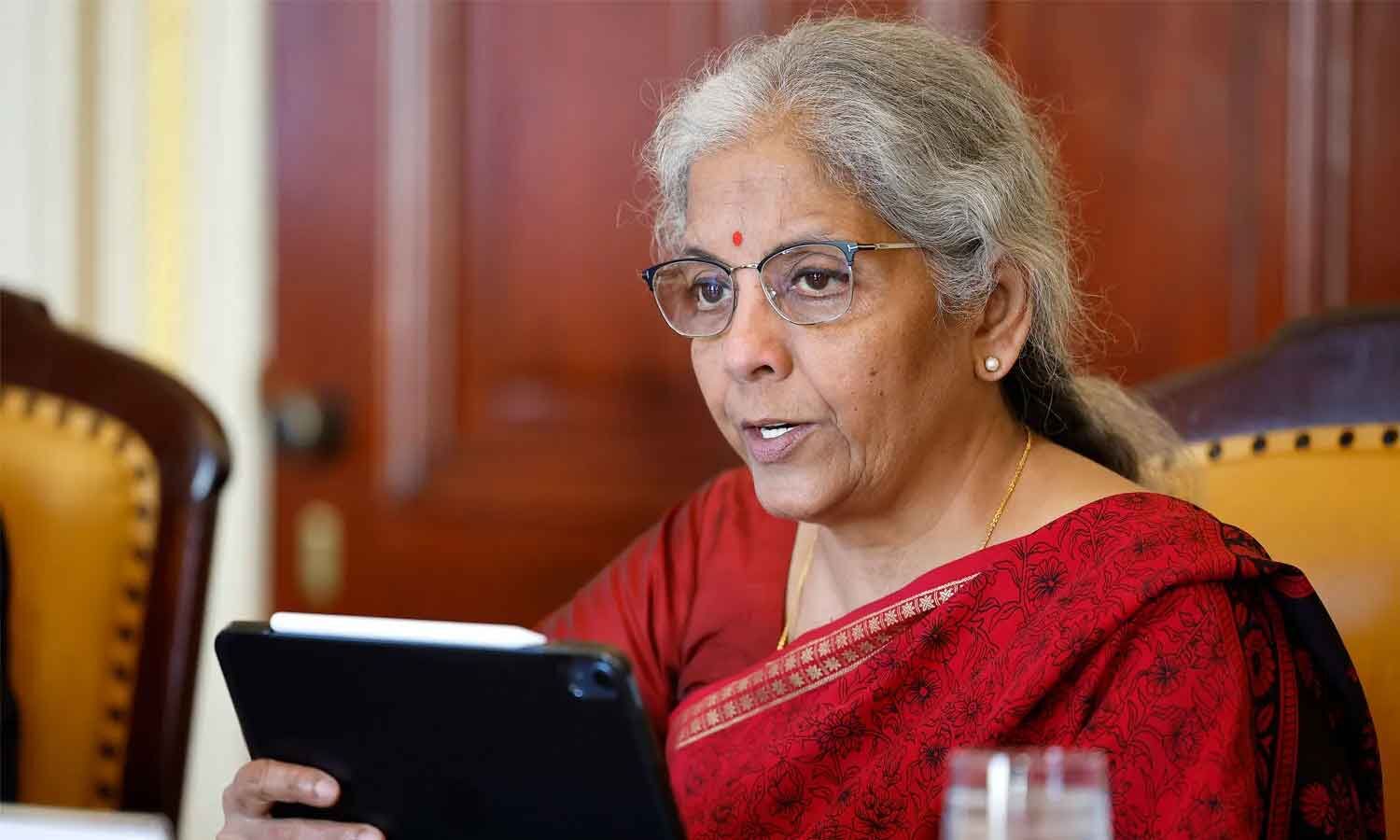
The Finance Ministry denied that US pressure influenced the new UPI MDR policy.
From October 15, 2026, a 0.4% MDR will apply to specified merchant payments above ₹2,000.
Merchants, rather than consumers, will pay the charge, capped at ₹300 for transactions of ₹75,000 or more.
The government and NPCI said MDR will give smaller domestic UPI companies a sustainable revenue model and strengthen competition.
Most person-to-person and everyday merchant payments will remain free, while RuPay remains the only credit-card network permitted for UPI credit transactions.
- Who
- India’s Finance Ministry and Department of Financial Services, NPCI, domestic UPI companies, Opposition leaders, BharatPe, and the United States Trade Representative.
- What
- The government explained the introduction of MDR on selected high-value UPI merchant payments and rejected claims that US pressure caused the decision.
- When
- The clarification was issued on September 17, 2026; the MDR is scheduled to begin on October 15, 2026.
- Where
- India’s Unified Payments Interface and digital-payments ecosystem.
- Why
- The government and NPCI said MDR would create sustainable revenue for smaller domestic companies, increase competition, and support India’s electronic-payment sovereignty.
Government and domestic-industry rationale
Opposition and foreign-provider concerns
Reason for introducing MDR
Government and domestic-industry rationale
The Finance Ministry and NPCI said MDR will create a self-sustaining revenue model for smaller domestic UPI companies, helping them expand and compete with market leaders.
Opposition and foreign-provider concerns
Opposition leaders alleged that the measure followed US pressure and criticized it as a tax or regressive charge on digital payments.
Effect on consumers and merchants
Government and domestic-industry rationale
The government said consumers will not pay the MDR, personal transfers will remain free, and exemptions cover most merchant transactions. It is preparing monitoring mechanisms to prevent merchants from passing on the charge.
Opposition and foreign-provider concerns
Critics, including Ashneer Grover, warned that any UPI MDR could damage mobile payments, while Opposition leaders argued that the charge could burden users and traders.
Access for international payment companies
Government and domestic-industry rationale
The Finance Ministry said allowing only RuPay credit cards on UPI is an intentional policy supporting a domestic alternative and India’s electronic-payment sovereignty.
Opposition and foreign-provider concerns
The USTR report said India’s policies appeared to favor domestic payment providers, citing limited access for US companies and the 30% cap on third-party UPI applications.
- MDR rate
- Most articles report a 0.4% charge on specified person-to-merchant UPI payments above ₹2,000; one article describes it as 0.04%.
- Effective date
- The new MDR is scheduled to take effect on October 15, 2026.
- Maximum charge
- The MDR is capped at ₹300 for transactions of ₹75,000 or more.
- Who pays
- Merchants are responsible for the MDR, while consumers are not intended to bear it.
- Small-merchant exemption
- Merchants collecting up to ₹1 lakh monthly through UPI QR codes remain exempt; officials said this covers about 96% of merchant transactions.
- Special transaction fees
- Railways, telecom, fuel, and insurance payments above ₹2,000 face a flat ₹5 fee, while capital-market payments face a 0.02% MDR capped at ₹300.
- RuPay and market policy
- The September 15 NPCI circular permits UPI credit transactions only through RuPay credit cards. NPCI’s 30% ceiling for third-party UPI application providers is scheduled for enforcement in December 2026.
Sources
No US pressure behind UPI MDR levy, says FinMin
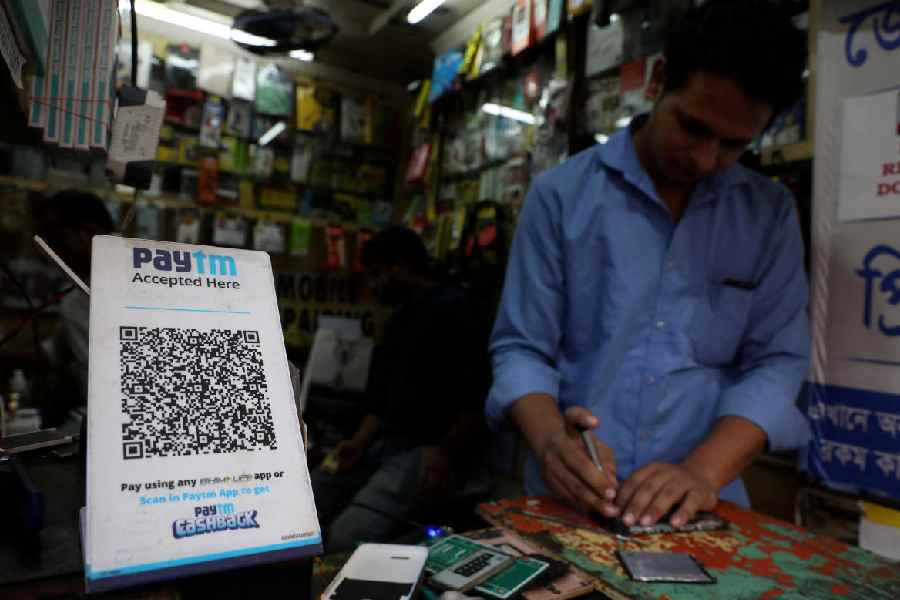
UPI row: Govt rejects claims of US pressure, cites NPCI circular, RuPay advantage; BharatPe backs move
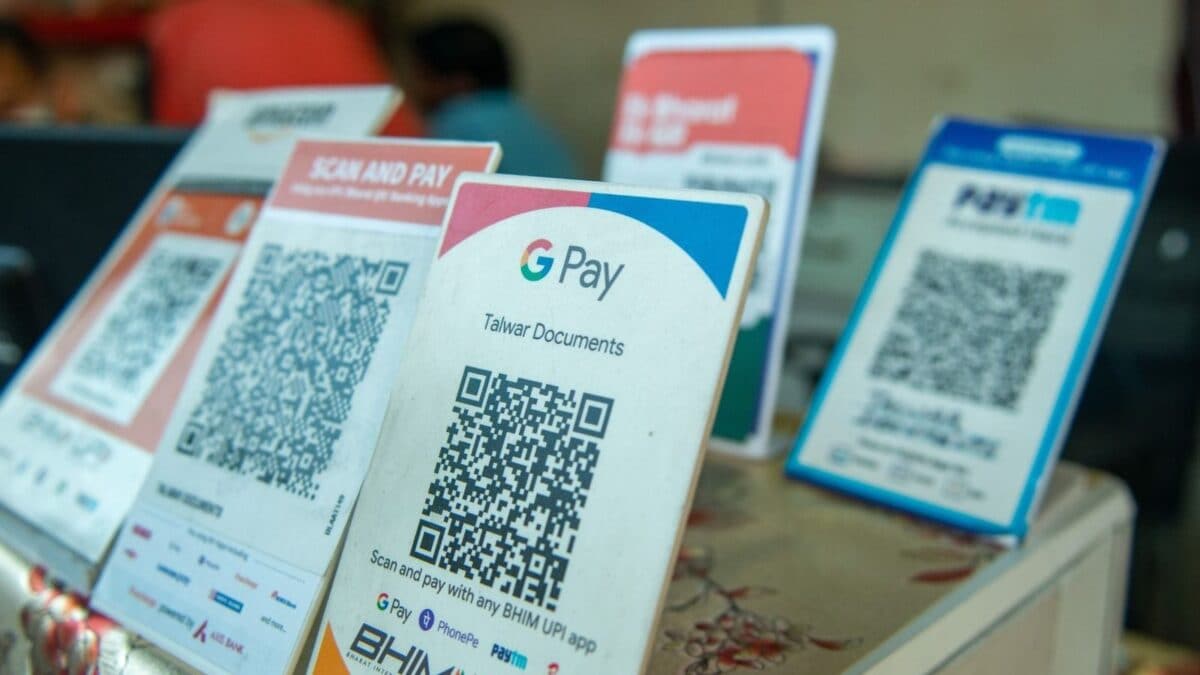
Why Was UPI MDR Introduced? Finance Ministry Explains Govt's Logic, Dismisses 'US Pressure' Claim

India Rejects US Influence Claims Over UPI MDR Policy
