Archive · 9 Dec 2025
China's Economy Faces Broad Slowdown Amid Trade Surplus

China's economy is slowing down.
Factories are making less, people are spending less money, and businesses are investing less.
This is happening even though China is selling more things to other countries than it's buying, which is called a trade surplus.
The government is trying to focus on new technologies like AI and green energy, but this is making the economy weaker in the short term.
Experts think the economy will keep slowing down in the next few years.
China's money, called the yuan, is weaker compared to other currencies, which helps it sell more things to other countries.
But some people think China should make its money stronger to help its own people spend more money at home.

China's manufacturing sector has contracted for eight straight months, with the official PMI at 49.2 in November 2025.
Fixed-asset investment fell 1.7% year-on-year in the first ten months of 2025, with the property sector seeing a 14.7% decline.
Retail sales grew just 2.9% in October 2025, reflecting weak consumer confidence and sluggish domestic demand.
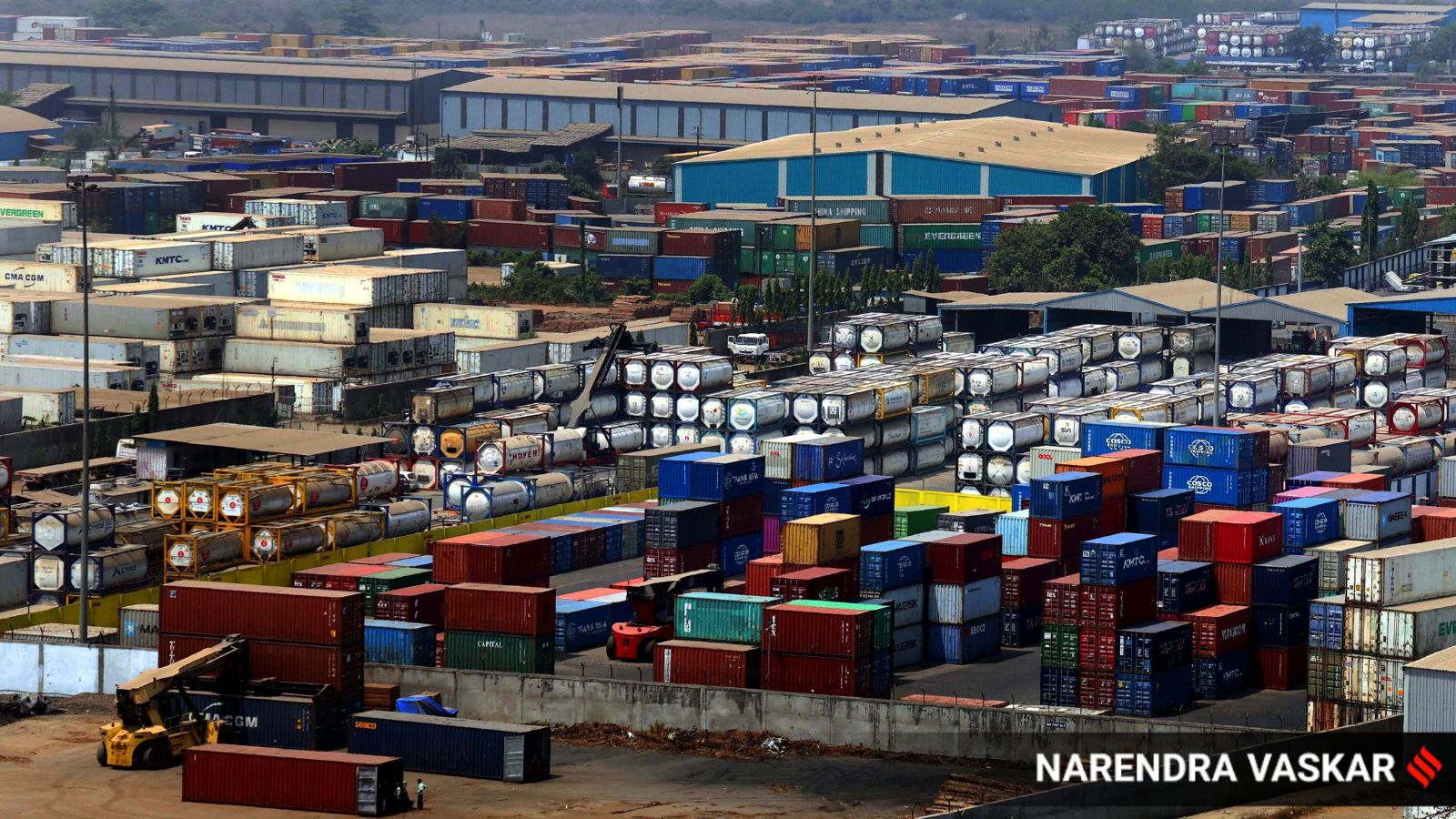
China's trade surplus reached $1.08 trillion through November 2025, driven by increased exports to regions like Southeast Asia and Africa.
The IMF projects China's GDP growth to slow to 4.2% by 2026 and 3.4% by 2030, citing deflationary pressures and property sector vulnerabilities.
- Who
- China's economy and its global trade partners
- What
- A broad economic slowdown with a record trade surplus
- When
- 2025 and projected into 2026 and 2030
- Where
- China and its trade relations with the US, EU, and other regions
- Why
- Due to manufacturing contraction, weak consumer confidence, investment slowdown, and government policies
- GDP Growth (2025)
- 4.8%
- GDP Growth (2026)
- 4.2%
- GDP Growth (2030)
- 3.4%
- Manufacturing PMI (November 2025)
- 49.2
- Retail Sales Growth (October 2025)
- 2.9%
- Property Investment Decline (2025)
- 14.7%
- Currency
- Yuan (Renminbi)