

Archive · 5 Oct 2026
Supreme Court Reviews Election Commission Decisions, Issues Notices
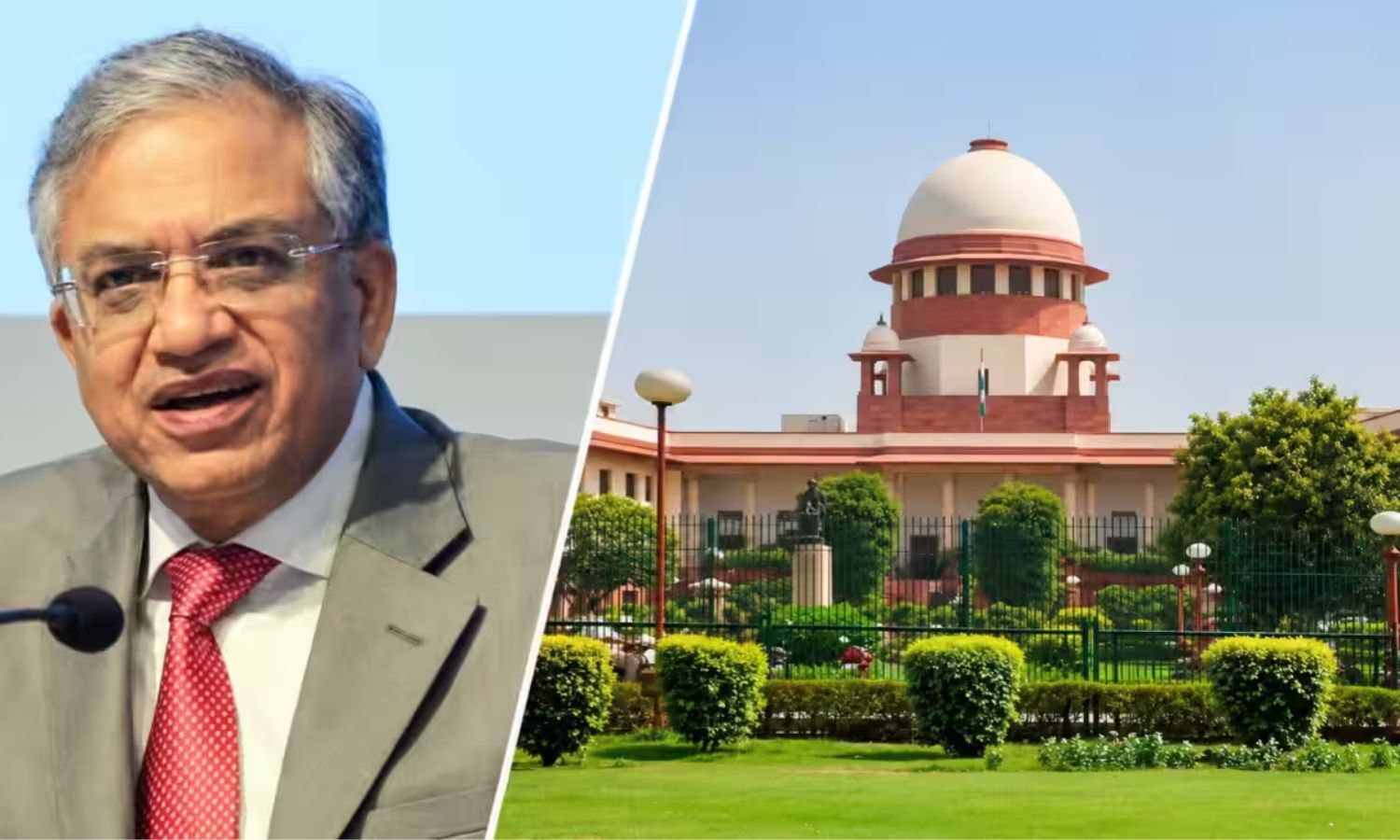
India’s top court is looking at complaints about how the Election Commission made some decisions.
The complaints say the chief election commissioner acted without the agreement of the other two commissioners.
The court asked the Commission and the government to respond and provide information.
It said it could cancel decisions if they were not made according to the law.
But it did not immediately stop the chief election commissioner from acting, because it wants to hear everyone first.
A former election commissioner also criticized how a voter form was used and said the chief should resign.
Election Commission officials disputed his claims.
The case will continue after the court reviews the responses and records.

The Supreme Court issued notices to the Election Commission and the Centre over allegations that decisions were made without the other two commissioners’ approval.
The bench said it could annul decisions found to violate legal requirements for unanimity or majority.
The court declined to temporarily restrain Chief Election Commissioner Gyanesh Kumar, saying it must hear the respondents and review the records first.
The petitions challenge whether the CEC exercised powers belonging to the Commission as a whole; a report cited in court said two commissioners objected at least 14 times over 10 months to decisions concerning electoral-roll revisions.
Former Election Commissioner S. Y. Quraishi criticized the use of Form 6 and called for Kumar’s resignation, while Election Commission officials disputed his claims.
- Who
- The Supreme Court of India, the Election Commission, the Centre, petitioners Rakesh Kumar Singh and Shailendra Mani Tripathi, and Chief Election Commissioner Gyanesh Kumar.
- What
- The court issued notices over allegations that Election Commission decisions were made without the approval of the other two commissioners.
- When
- Monday, October 5; the reports do not specify the year.
- Where
- New Delhi, India.
- Why
- The petitions ask the court to determine whether the CEC exercised powers belonging to the Commission as a whole and whether the challenged decisions complied with the law.
Petitioners’ and critics’ claims
Election Commission’s position
Commission decision-making
Petitioners’ and critics’ claims
The petitioners allege that the CEC made decisions without the other commissioners’ approval and ask the court to examine whether those actions were unauthorized.
Election Commission’s position
The Election Commission says differing views are normal in institutional deliberations and that its orders have legal sanction and follow statutory procedures.
Form 6 use
Petitioners’ and critics’ claims
Former Election Commissioner S. Y. Quraishi said Form 6 is for first-time voters, criticized its use for deleted voters, and argued that the CEC should resign on moral grounds.
Election Commission’s position
Election Commission officials disputed Quraishi’s claim; the reports do not provide further detail on their response.
Immediate restrictions on the CEC
Petitioners’ and critics’ claims
Petitioner Rakesh Kumar Singh sought an interim order preventing Gyanesh Kumar from taking decisions and requested his suspension.
Election Commission’s position
The court declined to impose interim restrictions before hearing the respondents, noting that suspending the CEC could stall the Commission’s work.
- Court action
- Notices issued to the Election Commission and the Centre; the court requested relevant details.
- Bench
- Chief Justice of India Surya Kant and Justices Joymalya Bagchi and V. Mohana.
- Interim relief
- The court declined to restrain Gyanesh Kumar from making decisions before hearing the respondents.
- Potential remedy
- The bench said it could annul decisions that fail to comply with legal requirements for unanimity or majority.
- Reported objections
- The Indian Express reported that Sukhbir Singh Sandhu and Vivek Joshi objected on record at least 14 times over 10 months to decisions related to the Special Intensive Revision of electoral rolls.
- Form 6 dispute
- S. Y. Quraishi said Form 6 is intended for first-time voters and criticized its use for deleted voters; officials disputed his claim.
- Immunity clause
- The bench said it may examine the law’s immunity clause for the CEC, including protection after leaving office.
