

7 hrs ago
Trump's Gaza Plan Stalls as Fighting and Rebuilding Continue

A plan led by US President Donald Trump was meant to stop the Gaza war and help rebuild the area.
Its first part brought a ceasefire and the release of hostages and prisoners.
But Israeli attacks have continued, and both sides disagree about the reasons and targets.
Israel now controls more of Gaza than the plan first proposed.
More aid has entered, but many people still face hunger, and aid groups say important supplies are missing.
Hamas has indicated it would hand over weapons to a Palestinian government, but Israel says it will not withdraw until Hamas is fully disarmed.
An international force has been planned but has not yet been assembled.
Gaza's new governing committee has not entered the territory, and reconstruction remains a distant goal.

The plan's initial phase produced a ceasefire on October 10, 2025, and the release of remaining Israeli hostages and hundreds of Palestinian prisoners and detainees.
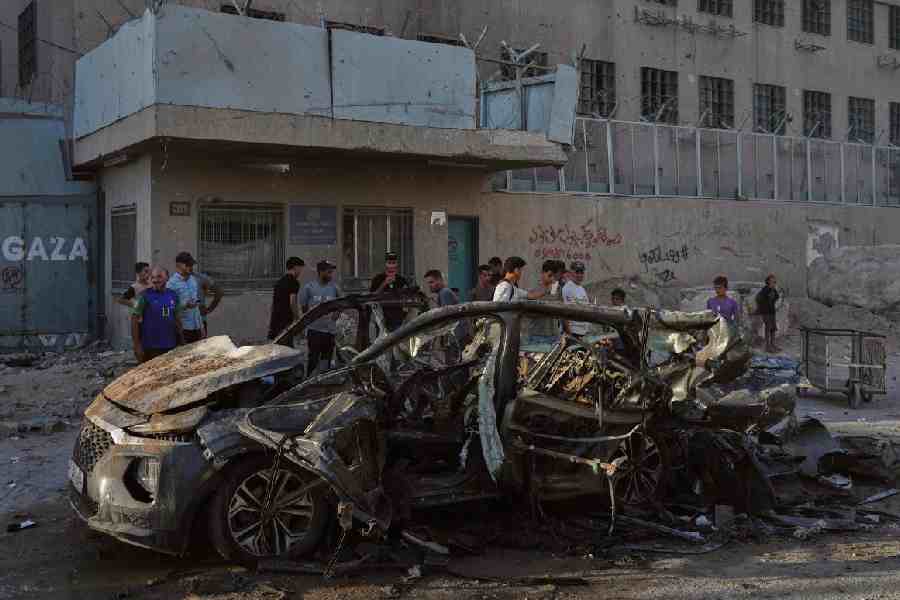
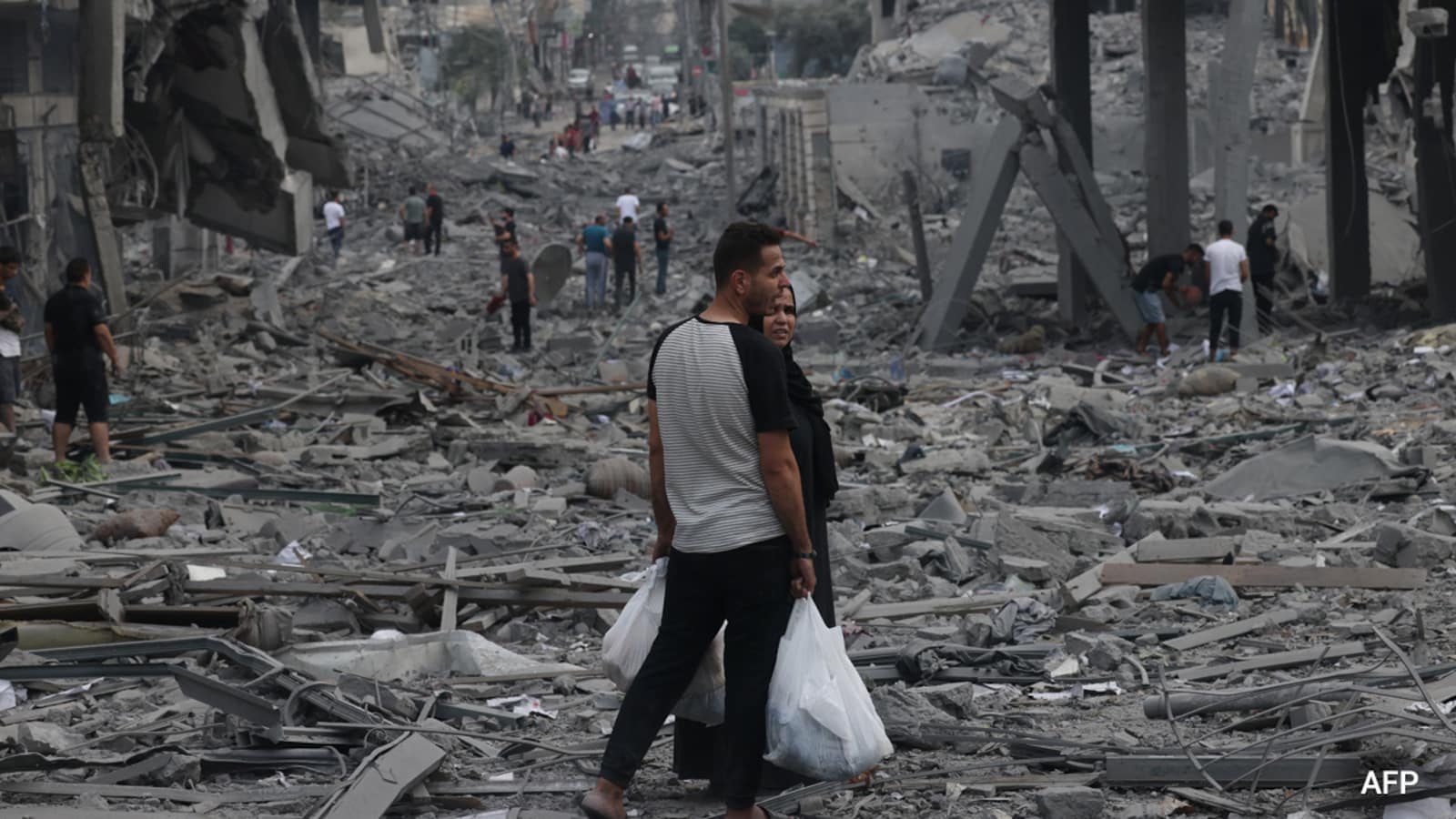
Israeli attacks have continued since the ceasefire; Gaza's health ministry reports at least 1,400 Palestinians killed, while Israel says it targets Hamas.
Israel's effective control has expanded from the plan's 53% withdrawal line to around two-thirds of Gaza, according to the report.
Aid deliveries increased, but hunger remains widespread and aid agencies say supplies fall short or exclude essential items; Israel says aid is sufficient.
Hamas disarmament, Israeli withdrawal, deployment of an international force and Gaza's reconstruction remain stalled or incomplete.
- Who
- The United States, Israel, Hamas, Palestinians in Gaza, and proposed Palestinian and international bodies.
- What
- Trump's plan has achieved an initial ceasefire and hostage and prisoner releases, but key steps including disarmament, withdrawal and reconstruction remain unrealized.
- Where
- Gaza.
- When
- The report is dated October 6; the ceasefire began October 10, 2025, and the plan is described as one year old.
- Why
- The plan was intended to end the Gaza war, establish new governance and security arrangements, and rebuild the enclave.
Hamas and aid groups
Israel
Continuing strikes
Hamas and aid groups
Hamas denies Israel's accusations that it is trying to carry out attacks and rearm. Gaza's health ministry reports at least 1,400 Palestinians killed since the ceasefire.
Israel
Israel says its strikes target Hamas, which it accuses of attempting attacks and rearmament.
Aid entering Gaza
Hamas and aid groups
Aid groups say supplies are insufficient and that Israel blocks items such as tent poles, engine oil and spare parts. The IPC data cited in the report records an average of 227 trucks a day through the end of May.
Israel
Israel says around 600 trucks carrying aid and commercial goods enter daily, supplies meet Gaza's needs, and it is fulfilling its obligations.
Disarmament and Israeli withdrawal
Hamas and aid groups
Hamas agreed to hand weapons to a US-backed Palestinian technocratic government, while rejecting the term 'disarmament.' The proposed roadmap links Israeli withdrawal to the process.
Israel
Israel says it will not withdraw until Hamas is fully disarmed and has called the proposed plan unacceptable.
Key facts
- Ceasefire date
- October 10, 2025
- Israeli control
- Around two-thirds of Gaza, compared with 53% under the initial withdrawal line
- Reported Palestinian deaths since ceasefire
- At least 1,400, according to Gaza's health ministry
- Aid deliveries cited by IPC
- An average of 227 trucks a day from the ceasefire to the end of May, below the plan's minimum of 600
- Acute hunger
- More than 1.2 million people, according to the IPC
- Reconstruction proposal
- A $2.45 billion plan unveiled by the Board of Peace in September
- Estimated recovery and reconstruction needs
- $71.4 billion over the next decade, according to an EU and UN assessment cited by the Board of Peace
Quotes

Israel Katz
Israel’s defence minister
“There is no real solution for Gaza in the end without this migration.”
 theprint.in
Sources
Related news

Trump’s Board of Peace Unveils $2.45 Billion Gaza Reconstruction Plan
Israeli Strike Kills Senior Hamas Commander in Northern Gaza
Israeli Strikes Kill Five Palestinians as Gaza Ceasefire Stalls
Four Killed in Gaza Strikes; Israel Targets Hamas Finance Chief
Israeli Airstrike Kills Two Palestinians in Gaza, Medics Say
Kushner Says Israeli Election Complicates Gaza Disarmament Efforts
UN Report Highlights Forced Marriage and Sexual Violence in Gaza
Gaza Parents Warned Against Kites After Israeli Threat to Hamas