

Archive · 7 Nov 2025
Bubble Tea's Unhealthy Side Effects: Lead, Sugar, and Other Risks
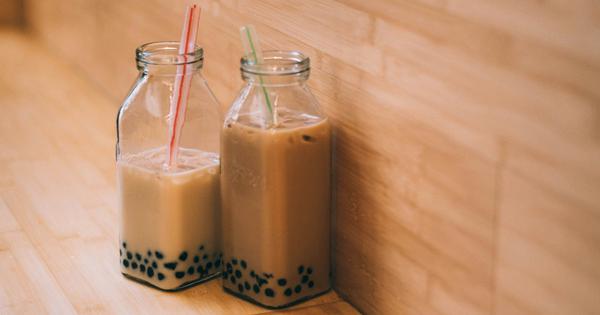
Bubble tea is a popular drink made with tea, milk, sugar, and chewy balls called tapioca pearls.
While it tastes good and looks pretty, it might not be very healthy.
The chewy pearls are made from a plant that can soak up bad things like lead from the ground.
Eating too many of these pearls can also make your tummy hurt or even get blocked.
The drink has a lot of sugar, which is bad for your teeth and can make you gain weight or get sick.
Some studies even suggest it might make people feel more anxious or sad.
Sometimes, doctors even see the chewy balls on medical scans!
So, it's best to enjoy bubble tea as a rare treat, not every day.

Bubble tea, a popular Taiwanese beverage, faces scrutiny for potential health risks.
Tapioca pearls, a key ingredient, can absorb lead and other heavy metals from the soil.
High consumption of tapioca pearls may lead to digestive issues like stomach emptying problems and blockages.
The drink's significant sugar content is linked to dental cavities, obesity, and increased risk of type 2 diabetes.
Some research suggests a correlation between frequent bubble tea consumption and increased rates of anxiety and depression.
- Who
- Consumers of bubble tea, particularly children and young adults
- What
- Investigating the potential negative health effects of bubble tea consumption
- When
- Recent findings and ongoing research
- Where
- Global popularity, with specific concerns raised in the US and Taiwan
- Why
- High sugar content, potential lead and heavy metal absorption by tapioca pearls, and other ingredients can lead to various health issues
- Main Ingredients
- Black tea, milk, sugar, tapioca pearls
- Potential Lead Contamination
- Tapioca pearls made from cassava root can absorb lead from soil
- Digestive Issues
- Tapioca pearls can slow stomach emptying, cause blockages, and lead to constipation (with guar gum)
- Kidney Stones
- High oxalate and phosphate levels can contribute to stone formation
- Choking Hazard
- Tapioca pearls pose a risk, especially for children
- Sugar Content
- High sugar levels linked to cavities, obesity, type 2 diabetes, metabolic disease, and fatty liver disease
- Mental Health Concerns
- Associated with increased rates of anxiety and depression in some studies