

Archive · 15 Sep 2026
India Bars Charges on UPI Payments Up to ₹2,000
India has made a rule to keep some digital payments free.
Banks and payment providers cannot charge for UPI payments up to ₹2,000.
The rule also protects payments made with RuPay-powered debit cards.
It covers both the person sending money and the person receiving it.
The Finance Ministry issued the rule under the Payment and Settlement Systems Act, 2007.
The government says person-to-person UPI payments will continue to be free.
It has also said a possible future fee could apply only to some larger merchant payments.
Some people were concerned that such fees might eventually raise costs for customers.

The Finance Ministry barred banks and system providers from directly or indirectly charging UPI transactions up to ₹2,000.
The notification also designated RuPay-powered debit cards as protected electronic payment modes.
The protection covers both people making and receiving payments through the specified modes.
The rules were issued under Section 10A of the Payment and Settlement Systems Act, 2007, on September 14, 2026.
Charges could still be considered for limited merchant UPI transactions above ₹2,000, while person-to-person payments are to remain free.
- Who
- The Government of India, through the Ministry of Finance, banks, and payment-system providers.
- What
- A notification prohibits direct or indirect charges on UPI transactions up to ₹2,000 and payments made through RuPay-powered debit cards.
- When
- The notification was issued on Monday, September 14, 2026; one report was published on September 15.
- Where
- India, through a government gazette notification.
- Why
- To specify electronic payment modes that must remain free under Section 10A of the Payment and Settlement Systems Act, 2007, amid debate over possible UPI fees.
Government Position
Fee Concerns
Consumer charges
Government Position
The government says consumers will not be charged for person-to-person UPI payments and that any future MDR would be paid by merchants rather than end users.
Fee Concerns
Concerns were raised that changes to the legal framework could eventually allow payment-related costs to be passed on to consumers.
Transactions above ₹2,000
Government Position
The notification gives statutory protection to UPI transactions up to ₹2,000 and does not impose a blanket MDR on merchants.
Fee Concerns
Because the protection has a ₹2,000 limit, the rules leave scope for charges on some larger merchant transactions.
MDR rationale
Government Position
The Finance Ministry said a limited, nominal MDR could help banks and payment firms invest in infrastructure, innovation, and security, while remaining below typical card rates.
Fee Concerns
Critics, including Jairam Ramesh as cited in the reports, argued that MDR-related costs could ultimately be passed on to consumers.
- UPI protection limit
- Transactions up to ₹2,000
- Protected payment modes
- UPI transactions up to ₹2,000 and RuPay-powered debit cards
- Prohibited charges
- Banks and system providers cannot impose direct or indirect charges
- Covered parties
- Both people making and receiving payments
- Legal basis
- Section 10A of the Payment and Settlement Systems Act, 2007
- Person-to-person payments
- The government says all person-to-person UPI transactions will remain free
- Possible future MDR
- A Merchant Discount Rate could apply to a limited category of merchant transactions above a specified threshold
Sources
UPI stays free: Finance Ministry bars charges on transactions up to Rs 2,000

India bars bank charges on UPI payments up to ₹2,000
Govt Bans Charges On UPI Payments Up To Rs 2,000, RuPay Debit Card Transactions
UPI payments up to Rs 2,000 to remain free of bank charges: Govt

Government notifies: No bank charges on UPI transactions up to Rs 2,000
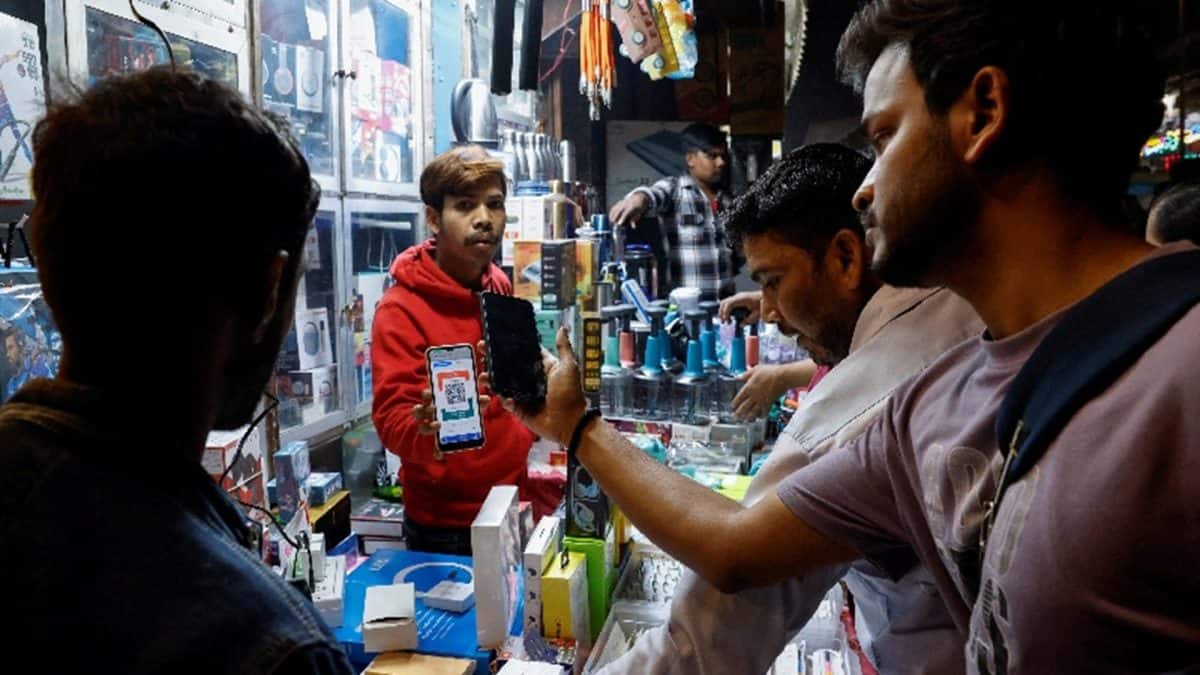
No bank charges on UPI payments up to Rs 2,000, Centre notifies rules
