

Archive · 19 May 2025
Indian Court Highlights Police Role in Criminalisation
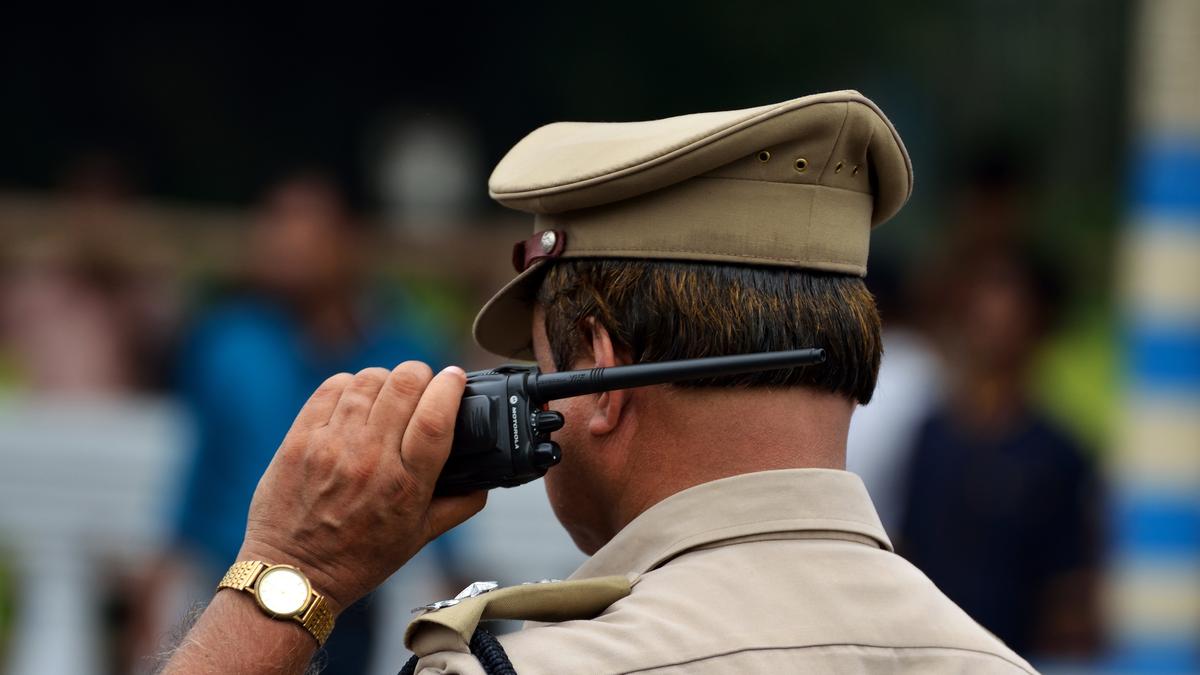
Imagine the police are like referees in a game.
This news is about a court reminding them to follow the rules before accusing someone of a crime.
The court said the police shouldn't immediately start a full investigation; they should first check if there's a good reason to believe a crime happened.
This is to make sure people aren't wrongly accused.
The case was about a politician who posted something online.
The court stopped the police from investigating too quickly, stressing that the police need to be careful and follow the rules to ensure fairness and prevent frivolous cases.

The Supreme Court of India ruled on the importance of police adherence to criminal procedure laws.
The case involved a Member of the Rajya Sabha, Imran Pratapgarhi, and an alleged inflammatory social media post.
The Court found the police had acted prematurely by launching an investigation without a preliminary inquiry.
Section 173(3) of the BNSS allows police to conduct a preliminary inquiry before registering a First Information Report (FIR).
The ruling emphasizes the police's critical role in preventing unnecessary criminalization.
- Who
- Supreme Court of India and the police.
- What
- A ruling emphasizing police compliance with criminal procedure law, specifically in the case of Imran Pratapgarhi.
- When
- Recently
- Where
- India
- Why
- To ensure police adhere to proper procedure when criminalizing.
- Court involved
- Supreme Court of India
- Case Name
- Imran Pratapgarhi vs State of Gujarat
- Imran Pratapgarhi's role
- Member of Rajya Sabha
- India's criminal procedure law
- Bharatiya Nagarik Suraksha Sanhita (BNSS)
- Key BNSS provision
- Section 173(3)
- Time for preliminary inquiry
- 14 days