

Archive · 28 Jan 2026
Climate Change Impacts Cattle in India
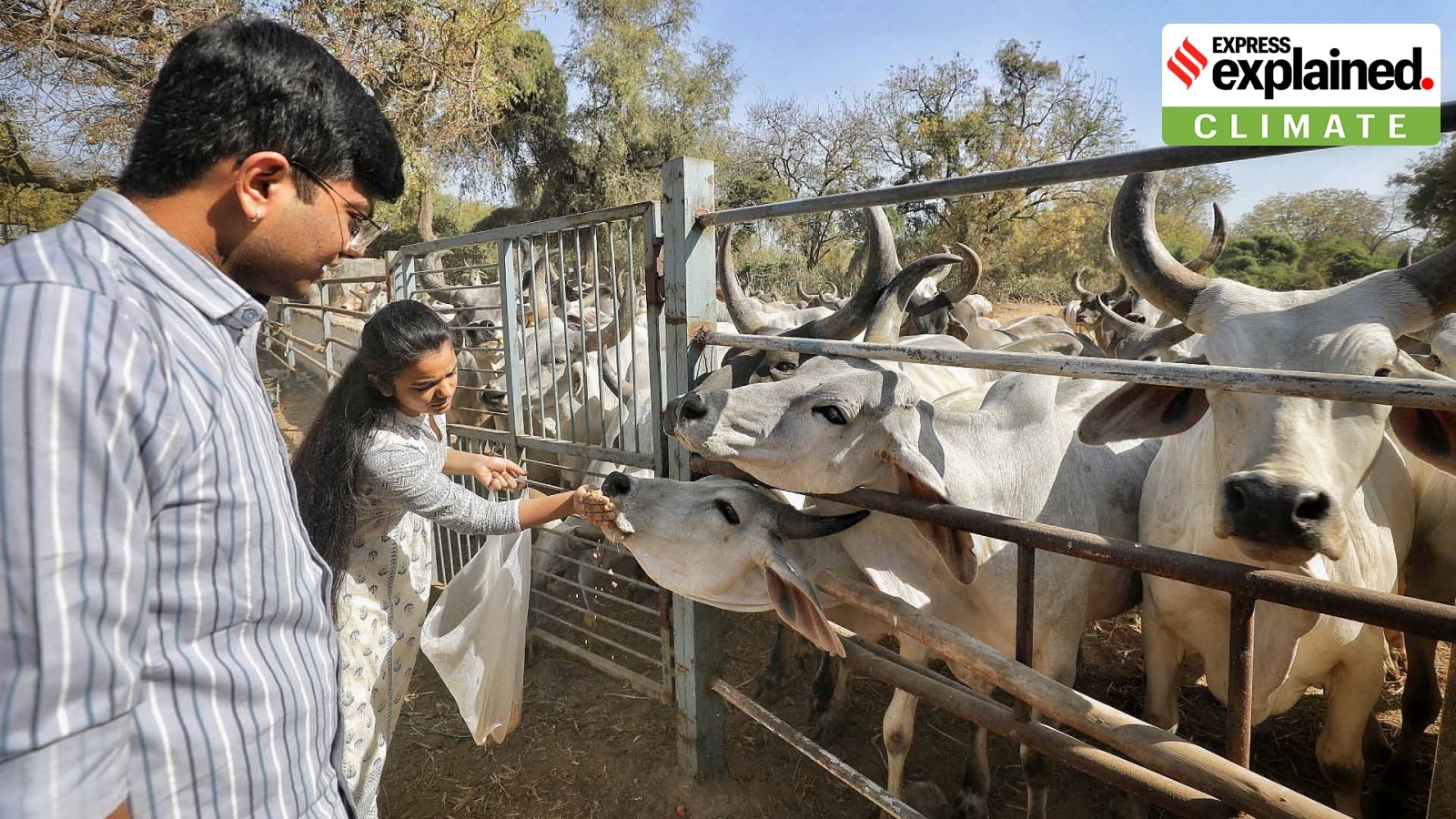
A new study found that climate change is making it harder for farmers to raise cattle in India.
More than half of buffalo and crossbred cattle farmers and over 40% of indigenous cattle farmers say their animals are getting sick more often and are stressed because of the heat.
This is bad because milk is important for India's economy, and many farmers depend on cattle for their livelihood.
The study says that farmers need help to build better shelters for their animals and to choose breeds that can handle the heat better.
Without help, farmers might have a harder time making a living.

Climate change is causing higher disease rates, mortality, and heat stress in cattle across India.
Over 50% of buffalo and crossbred cattle rearers and over 40% of indigenous cattle rearers report adverse impacts.
The study surveyed 7,300 households across 15 states, covering 91% of India's bovine population.
Rising temperatures and wet-bulb temperatures are compromising the immune systems of cattle and increasing disease rates.
Farmers need better infrastructure, such as well-ventilated and shaded animal sheds, to protect their cattle from heat.
- Who
- Cattle rearers across India
- What
- Climate change impacts on cattle, including higher disease rates, mortality, and heat stress
- When
- Study released on January 20
- Where
- India, covering 15 states
- Why
- Rising temperatures and wet-bulb temperatures are causing health issues and reducing milk output in cattle
- Study Name
- Cattle and Community in a Changing Climate
- Organization
- Council on Energy, Environment and Water (CEEW)
- Survey Size
- 7,300 cattle-rearing households
- States Covered
- 15 states
- Bovine Population Covered
- 91%
- Milk's Contribution to GDP
- 5%
- Farmers Affected by Feed Prices
- 70%
- Cattle Rearers Wanting Next Generation to Continue
- 75%
- Cattle Rearers Wanting to Expand Herd
- 40%
- Average Bovine Herd Size in Rural India
- 3.14 animals