

Archive · 24 Aug 2026
Butterfly Species Shift Ranges Worldwide as Climate Pressures Grow
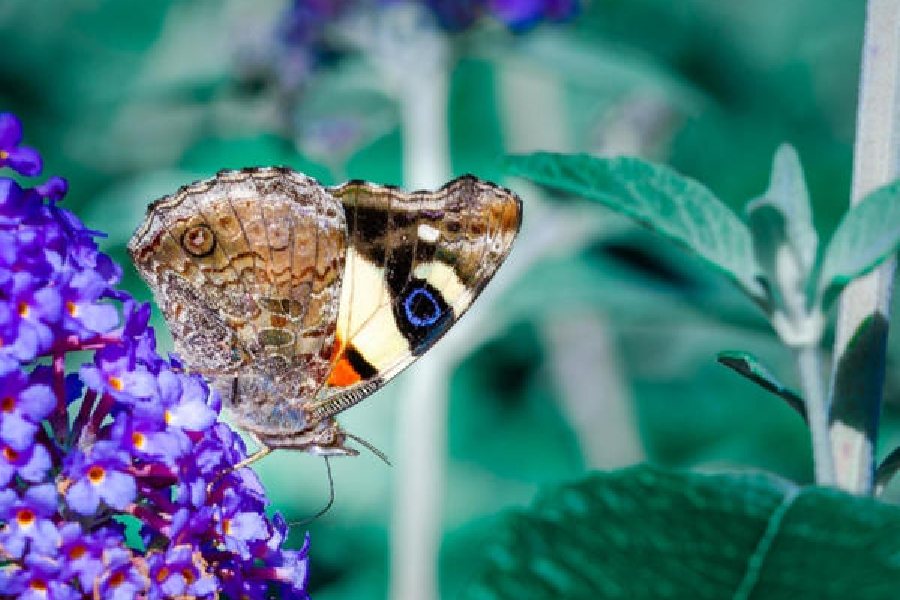
Scientists found that many butterflies are moving to new places around the world.
More than 1,700 species have changed where they live.
Some butterflies are spreading into places that were once too difficult for them.
Others are disappearing from parts of their old habitats.
Warmer temperatures and extreme weather caused most of these changes.
Cutting down habitats and industrial farming also hurt butterflies.
In the United States, the total number of butterflies fell by 22% between 2000 and 2020.
Scientists say people can help by planting native flowers, letting lawns grow and reporting butterfly sightings.

A study found that more than 1,700 butterfly species in 105 countries no longer live in their former ranges.
About 80% of examined species expanded their ranges, while 27% experienced range shrinkage.
Climate change and extreme weather were the main drivers in 79% of documented range shifts.
The tawny coaster has expanded from India, Bangladesh and Sri Lanka to Australia.
Researchers say habitat loss, industrial agriculture and declining butterfly abundance require stronger monitoring and conservation.
- Who
- Researchers led by Shawan Chowdhury at Monash University studied butterfly range changes, with comments from Candace Fallon and Chris Grinter.
- What
- The study found that about one in 10 butterfly species has shifted its geographic range.
- When
- The study was published in Nature Ecology & Evolution; the articles do not provide a publication date. The United States abundance comparison covers 2000 to 2020, and the small blue butterfly comparison begins in 1983.
- Where
- The study covered 105 countries across every continent where butterflies occur, including tropical regions.
- Why
- Climate change and extreme weather were the main drivers in most cases, with habitat loss, industrial agriculture and other factors also contributing.
- Species affected
- More than 1,700 butterfly species
- Countries covered
- 105 countries
- Overall share
- Nearly 1 in 10 known butterfly species showed a range shift
- Range expansion
- 80% of examined species expanded their ranges
- Range shrinkage
- 27% of examined species experienced range loss
- Main drivers
- Climate change and extreme weather drove 79% of documented shifts
- United States abundance
- Total butterfly abundance fell 22% between 2000 and 2020
- Most affected countries
- In 32 countries, at least one-quarter of native species had shifted ranges; in 10 countries, more than half had