1 hr ago
PERM Suspension Raises Questions for Indian IT Firms

The US government announced that it is suspending a program employers use to help some foreign workers get green cards.
The program can apply to workers who are already in the US on H-1B visas.
The announcement does not suspend existing H-1B jobs, so the immediate effect may be limited.
An analyst said a longer suspension could make it harder for companies to keep and move workers, and could raise costs.
TCS said it plans to hire 15,000 more people in the US over five years.
It said the suspension should not change its hiring plans or work for customers.
The article gives different figures for TCS's recent PERM applications.
Infosys and Wipro ADRs showed different market movements after the news.

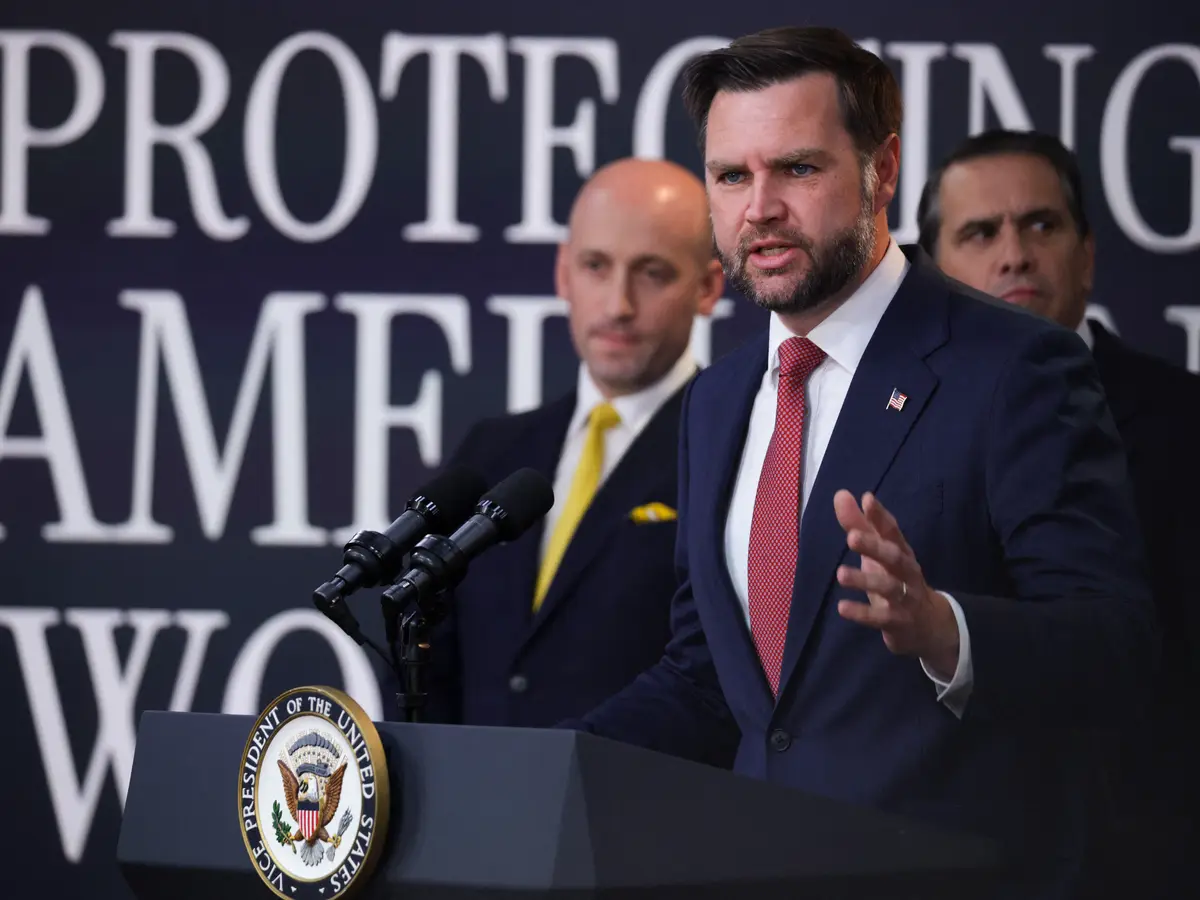
The US administration announced a suspension of the PERM program on Thursday, amid criticism of work and study visa programs.
PERM lets employers seek green cards for foreign workers, including workers already in the United States on H-1B visas.
TCS said it plans to hire 15,000 additional people in the US over five years and does not expect the suspension to affect its strategy or customer engagements.
The article reports differing PERM application figures for TCS: the company described recent applications as being in single digits, while reported figures include 932 in 2024 and 505 in 2025.
Infosys ADRs closed 1.42% higher at $10.70, while Wipro ADRs were unchanged at $1.67.
- Who
- The US administration announced the suspension; Indian IT firms including TCS, Infosys and Wipro are discussed.
- What
- The administration announced a suspension of the PERM program, which employers use to seek green cards for foreign workers.
- Where
- The United States; the companies discussed are Indian IT firms.
- When
- The announcement was made on Thursday; the article also cites application data for 2023, 2024 and 2025.
- Why
- The administration criticized alleged abuses of the process.
Concerns and criticism
Company and industry responses
Effect of the suspension
Concerns and criticism
An analyst warned that a prolonged suspension could complicate worker retention and mobility and increase localization, recruitment and compliance costs.
Company and industry responses
TCS said the suspension would not affect its workforce strategy or customer engagements, citing its low number of recent PERM applications.
Compliance with the process
Concerns and criticism
The US administration accused technology giants of abusing the process.
Company and industry responses
NASSCOM said Indian technology companies operate in more than 80 countries, comply with local laws, and would continue to follow applicable US regulations.
Key facts
- TCS US hiring plan
- Plans to hire an additional 15,000 people in the United States over five years.
- PERM purpose
- A US government process employers use to seek green cards for foreign workers.
- Infosys PERM applications
- Reported as nil in 2024 and 2025, after 781 in 2023.
- Wipro PERM applications
- Reported as 204 in 2025, compared with nil in 2024.
- TCS PERM figures
- TCS said its applications were in single digits in the last two years; the article also cites figures of 932 in 2024 and 505 in 2025.
- Infosys ADR
- Closed 1.42% higher at $10.70 per share.
- Wipro ADR
- Closed unchanged at $1.67 per share.
Quotes
Hariselvan Radhakrishnan
Founder and CEO of HST Wealth.
“Indian IT stocks face a fresh sentiment risk. The decision does not suspend existing H-1B employment, so the immediate operational impact may be limited; however, an extended suspension could complicate employee retention and mobility and increase localisation, recruitment and compliance costs.”
 businesstoday.in
“Indian technology companies operate across more than 80 countries and have consistently demonstrated their commitment to complying with local laws and regulatory requirements. We are confident that they will continue to adhere to applicable regulations in the U.S. as well.”
businesstoday.in
Sources
Related news

US Labor Actions, AI Concerns and TCS Results Put IT Stocks in Focus

US Green Card Suspension Puts Indian IT Stocks in Focus

US Suspends Eight Tech Firms From Green-Card Certification Program

Indian IT Firms Defend Hiring After US Green Card Suspension

TCS Plans 15,000 US Hires Despite Green Card Suspension

US PERM Suspension May Barely Affect Indian IT Companies
TCS Expects Little Impact From US PERM Suspension

Indian IT Stocks Rally Despite US H-1B Visa Suspension
Vance Defends Tech Green-Card Freeze as Jayapal Warns