

Archive · 24 Jul 2025
Libraries Battle Rising E-book Costs, Seek Legislative Relief
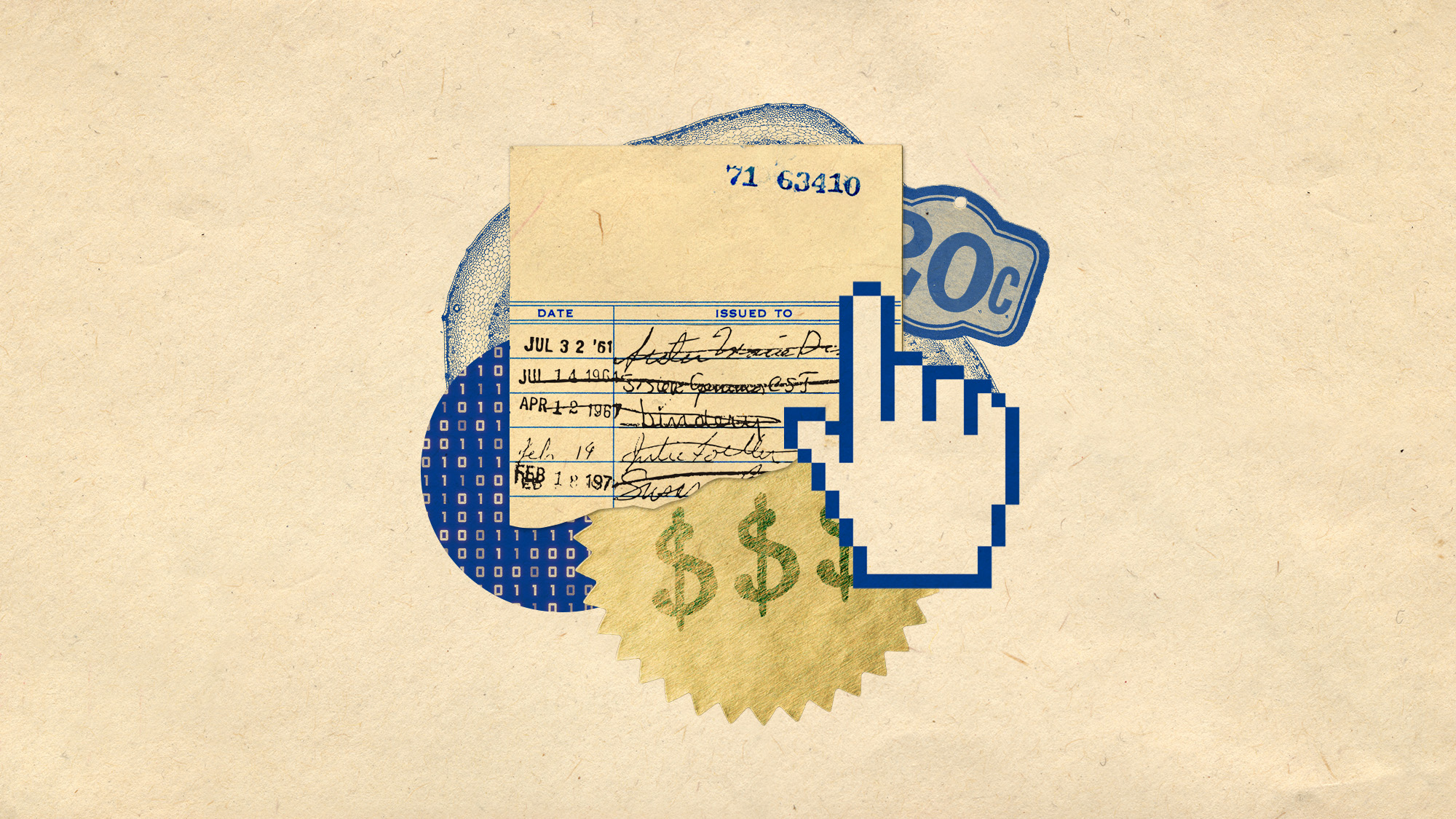
Libraries are finding that e-books are much more expensive than regular books, and this is causing them problems.
This is because libraries have to pay for licenses to use e-books, and these licenses run out after a certain amount of time or uses.
Publishers say this is to pay the authors, while libraries are trying to find a way to make e-books cheaper so everyone can enjoy them.
Some states are making new laws to fix this problem, so that people can read e-books without libraries having to spend too much money.

Libraries face higher e-book costs compared to print books due to licensing agreements.
E-book licenses often expire after a set time or number of loans, requiring libraries to repurchase.
Publishers state e-book pricing protects authors' rights for fair compensation.
Some states are seeking legislation to address the high costs and restrictions on e-books.
Connecticut passed a law preventing time-limited and checkout-capped licensing agreements.
- Who
- Libraries, e-book publishers, authors, and state lawmakers.
- What
- Libraries are facing increased costs for e-books due to licensing restrictions.
- When
- A battle is ongoing, with recent legislative efforts in several states.
- Where
- Across the United States, with specific legal actions in states like Connecticut and Maryland.
- Why
- Libraries are struggling with high e-book costs that strain budgets and limit access.
Libraries' Perspective
Publishers' Perspective
Cost & Access
Libraries' Perspective
High e-book costs strain library budgets, limit access, and result in long wait times for patrons.
Publishers' Perspective
Publishers defend high e-book costs as necessary to protect author compensation and copyright.
- Average Hardcover Cost
- $15
- E-book License Renewal
- Every two years or 26 loans
- Connecticut Law
- Prohibits time-limited and checkout-capped licenses.
- Maryland Law (overturned)
- Required publishers to offer e-books on reasonable terms.