Archive · 30 Dec 2025
US Overhauls H-1B Visa System
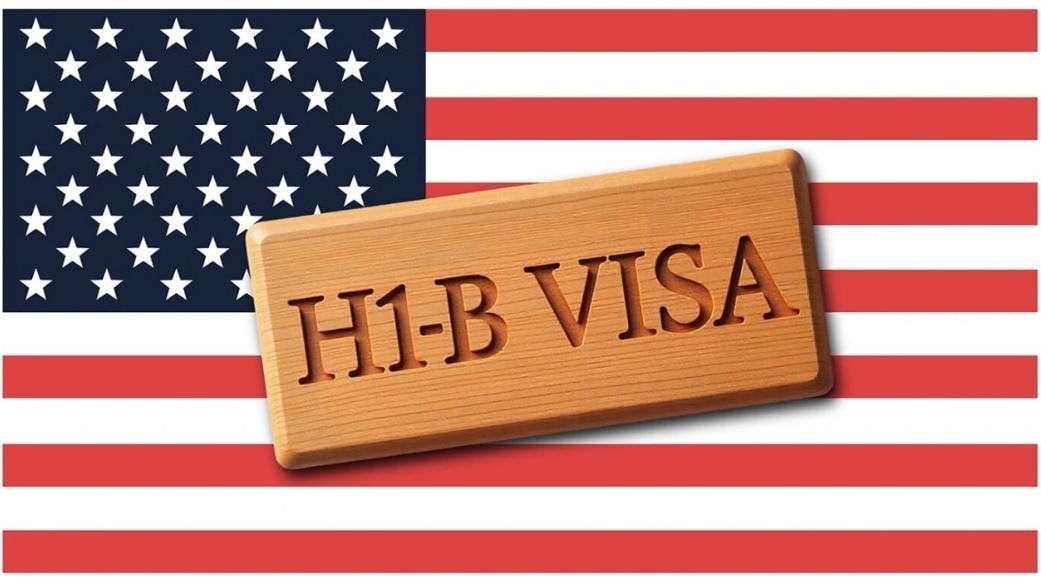
The United States has made big changes to how they give out H-1B work visas.
Instead of a random lottery, they will now give more chances to people who earn higher salaries.
This means more experienced workers have a better chance, but it makes it harder for new graduates and people in lower-paid jobs.
The Indian government is worried because many Indian professionals and students rely on these visas to work in the US.
The US has also increased fees for some visa applications, which could make it more expensive for companies to hire foreign workers.
Both the Indian and US governments are talking about these changes, and it's important for people planning to work in the US to understand how these new rules will affect them.

The US has replaced the random H-1B visa lottery with a wage-weighted system, giving preference to higher-paid applicants.
The new system will be effective from the March 2026 H-1B registration cycle.
A $100,000 fee has been imposed for certain H-1B petitions filed for workers outside the US.
The changes are expected to benefit more experienced and higher-paid professionals but disadvantage entry-level applicants.
The Indian government has raised concerns with the US over the cancellation of H-1B visa interviews and the new policies.
- Who
- Indian professionals, students, and their families
- What
- Overhaul of the H-1B visa selection process and cancellation of interviews
- When
- Interviews scheduled for mid-December were postponed by several months; changes effective from March 2026
- Where
- India and the United States
- Why
- Enhanced vetting of applicants' social media posts and online profiles; shift to a wage-weighted lottery system
Proponents of the Change
Critics of the Change
Benefits for Experienced Professionals
Proponents of the Change
The new wage-weighted lottery system benefits more experienced and higher-paid professionals, giving them more chances in the H-1B visa lottery.
Critics of the Change
The change disadvantages entry-level applicants, including fresh graduates and many international students, making it harder for them to secure H-1B visas.
Impact on Small Businesses
Proponents of the Change
Large employers can afford the increased costs and legal compliance, making the system more efficient for them.
Critics of the Change
Small businesses, startups, and entrepreneurs will suffer due to higher costs and lower chances of securing visas for entry-level candidates.
Economic Benefits
Proponents of the Change
The government believes that higher salaries are a proxy for higher skills, thus benefiting the US economy by attracting more skilled workers.
Critics of the Change
There is no clear evidence that these policy shifts will provide long-term economic benefits, and they may instead create unnecessary barriers.
- Visa Type
- H-1B
- Affected Parties
- Indian professionals and their families
- Cause of Delay
- Enhanced vetting of social media and online profiles
- Impact
- Delayed returns to the US and hardships for families
- US Administration
- Trump administration
- Indian Response
- Flagged concerns with the US
- Proposed Fee Increase
- $100,000
- US Vice President
- JD Vance
- Lottery System Change
- Wage-weighted lottery replacing random lottery
- Effective Date
- March 2026 H-1B registration cycle
Sources
'Several people stranded...': India raises alarm after US cancels H 1B interviews, triggering long delays
Not Lottery, Not Luck: H-1B visas to go to highest-paid workers from 2026
Not so random anymore: What Indians should know about changes in the US H-1B visa lottery system

US visa interviews: ‘Last-minute digital clean-ups’ can be red flag, consistency is a key

‘Indians can’t be stranded in India’: Nikki Haley’s son on H 1B uncertainty, calls for total ban
Legal battle continues over H-1B $100,000 fee: Plea moved in appeals court