

Archive · 8 Nov 2025
Book Highlights Under-representation of Muslim Women in Indian Parliament
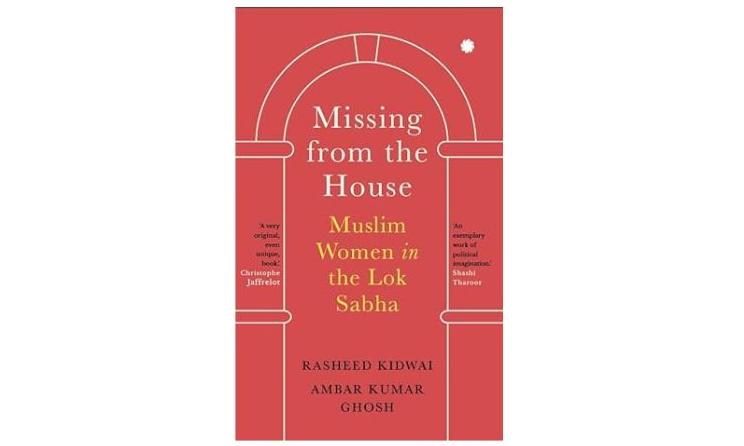
Imagine India's parliament is like a big club where people make rules.
This book is like a detective looking at who gets to be in the club.
It found that very, very few Muslim women have ever been members of the main rule-making group, called the Lok Sabha.
Out of thousands of members over many years, only 18 were Muslim women.
Some of them only got in because their family members were already famous politicians.
The book also looks at their lives to see if they really helped make new rules or speak for others.
It points out that many states have never sent a single Muslim woman to this group.
Even though a recent law aimed to give women more power, this book shows that Muslim women are still left out.
It makes people think about how to make sure everyone's voice can be heard.

A new book, 'Missing from the House: Muslim Women in the Lok Sabha,' highlights the severe under-representation of Muslim women in Indian Parliament.
Since 1951-52, only 18 Muslim women (0.6%) have served as MPs, with many entering politics through familial connections.
The book explores the diverse backgrounds of these 18 women, ranging from activists to actresses, examining their political influence.
Several states and Union Territories have never sent a Muslim woman to the Lok Sabha.
The book questions the effectiveness of representation and challenges the perceived equal representation in Indian Parliament.
- Who
- Rasheed Kidwai and Ambar Kumar Ghosh (authors), 18 Muslim women who have served as MPs
- What
- A book analyzing the severe under-representation of Muslim women in India's Lok Sabha and exploring the lives and political impact of those who have served.
- When
- Discusses data from 1951-52 to the present (2025), with the book published recently.
- Where
- India, specifically the Lok Sabha (Lower House of Parliament)
- Why
- To highlight the marginalization of Muslim women due to religious identity and patriarchy, and to challenge the notion of equal representation in Parliament.
Book's Implicit Stance
Criticisms of the Book
Representation and Political Dynasties
Book's Implicit Stance
The book suggests that many Muslim women in parliament entered politics due to familial connections and the absence of male family members, implying a dependency on patriarchal structures.
Criticisms of the Book
The book's narrative is sometimes seen as bordering on eulogizing these women, potentially overlooking their limited visibility or instances of corruption probes against some.
Impact on Policy and Discourse
Book's Implicit Stance
The book explores whether these parliamentarians influenced policy, legislation, and national discourse, with the answer varying per individual.
Criticisms of the Book
The book's coverage might underemphasize the actual effectiveness or policy impact of these women, sometimes presenting them primarily as upholders of existing agendas.
Feminist Stance
Book's Implicit Stance
The book remains ambiguous on feminist politics, examining 'not-feminist-but-humanist' views of some politicians.
Criticisms of the Book
The book's author may have a tendency to overly praise the subjects, which could skew the critical analysis of their contributions and political standing.
- Book Title
- Missing from the House: Muslim Women in the Lok Sabha
- Authors
- Rasheed Kidwai and Ambar Kumar Ghosh
- Publisher
- Juggernaut
- Pages
- 308
- Price
- Rs 599
- Total Muslim Women MPs Since 1951-52
- 18 (0.6%)
- Present Lok Sabha Muslim Woman MP
- Iqra Hassan