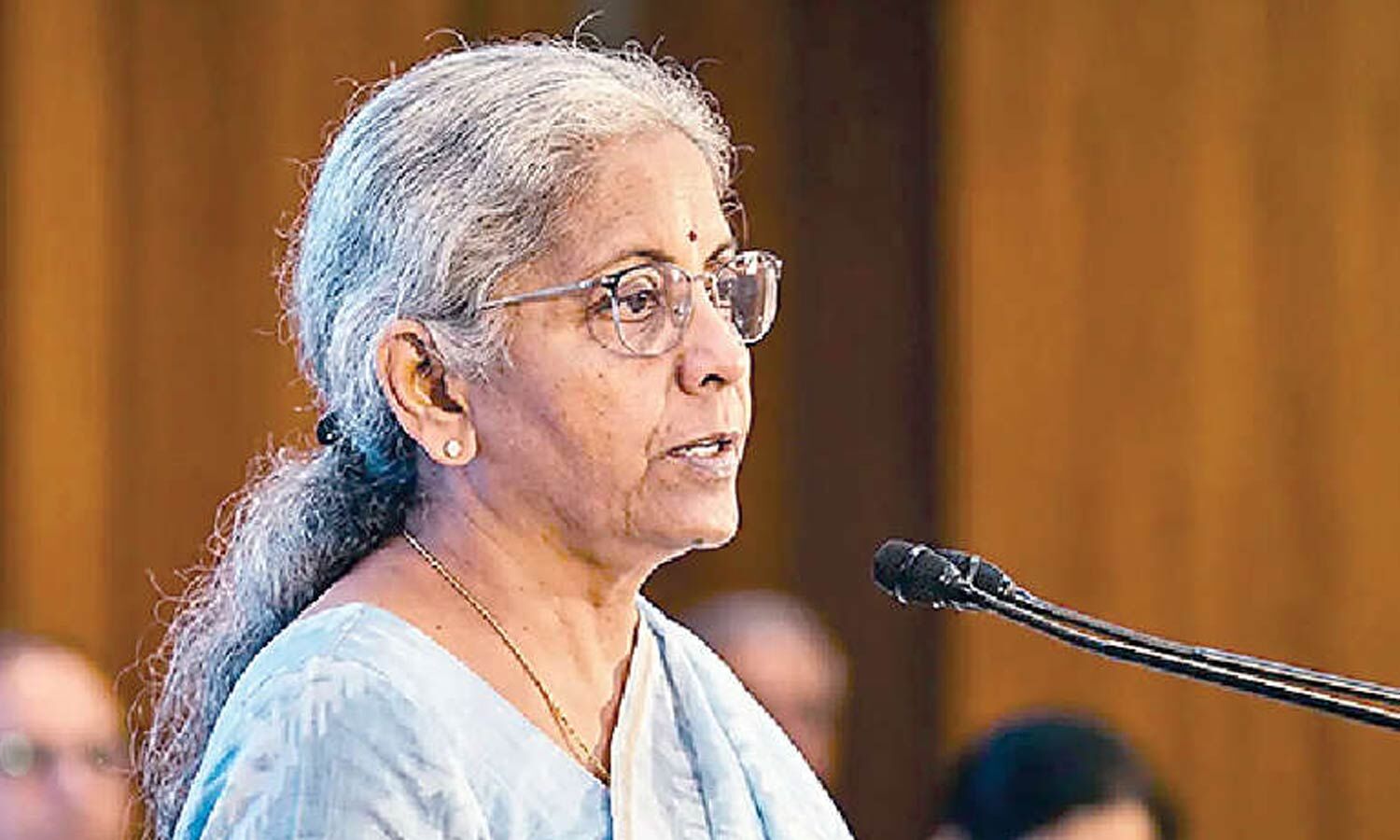
1 week ago
NITI Aayog Proposes Five Skilling Reforms for Viksit Bharat 2047

NITI Aayog wants to change how people in India learn job skills.
Students could begin learning employability and entrepreneurship skills in Grade 6.
From Grade 9, they could choose structured vocational learning tracks.
Colleges and companies would work more closely together to offer practical training and apprenticeships.
Training programmes would focus on skills that employers actually need, including those for green industries and electric vehicles.
New guidance centres and digital tools would help students choose courses and careers.
A Digital Skills Passport could help record a person’s skills and learning.
The government also said that the reported 8.7 crore young people not in education, employment or training does not equal 8.7 crore unemployed people.

NITI Aayog has proposed five reforms to overhaul India’s skilling system by 2047.
The plan would introduce employability skills from Grades 6 to 12 and vocational Kaushal Tracks from Grade 9.
It recommends stronger industry partnerships, work-integrated programmes and apprenticeship-embedded degrees and diplomas.
Skilling programmes would focus more on labour-market demand, verified outcomes and high-growth sectors such as green industries and electric vehicles.
The government said the estimate of 8.7 crore NEET youth, based on FY2020-21 data, should not be treated as an unemployment figure.
- Who
- NITI Aayog proposed the reforms, while the government clarified the interpretation of the NEET youth estimate.
- What
- A five-part overhaul of India’s skilling system, supported by four system enablers, has been proposed.
- Where
- The reforms apply to India, with State Skills Transformation Pilots planned in Andhra Pradesh, Odisha, Uttar Pradesh, Bihar and Assam.
- When
- The NEET estimate uses NSS 78th Round data from FY2020-21; the ₹600-crore ISSA was introduced in Union Budget 2026-27.
- Why
- The proposals aim to improve employability, career progression, livelihoods and alignment between education, training and labour-market demand.
Headline Interpretation
Government Clarification
Meaning of the 8.7-crore NEET figure
Headline Interpretation
The reported figure of 8.7 crore young people not in education, employment or training could be read as indicating a very large unemployment problem.
Government Clarification
The government said the figure should not be interpreted as unemployment because it is based on FY2020-21 data collected during COVID-19-related disruptions, and more recent PLFS data should be used to assess the current situation.
Key facts
- Number of reforms
- Five major reforms are proposed.
- School skills integration
- General Employability and Entrepreneurship Skills would begin from Grade 6, with Kaushal Tracks from Grade 9.
- Current vocational access
- Fewer than one in 12 secondary schools currently offer vocational subjects.
- Apprenticeships
- The proposal calls for an “Apprenticeship for All” approach and a unified State Apprenticeship Platform.
- System enablers
- These include a Digital Skills Passport, outcomes-based financing, NCrF adoption and skills-first policies and infrastructure.
- NEET youth estimate
- The figure of 8.7 crore is based on FY2020-21 data collected during the COVID-19 disruption and should not be read as unemployment.
- Funding
- The ₹600-crore Integrated Scheme in Skilling Architecture was introduced in Union Budget 2026-27.
Sources
Related news

NITI Aayog Urges Earlier Vocational Training and Employability Education
NITI Aayog Skill Roadmap Supports Telangana’s Industry-Linked Approach

NITI Aayog Report Urges Maharashtra To Link Skilling With Jobs

NITI Aayog Flags India’s Graduate Skills and Jobs Gap
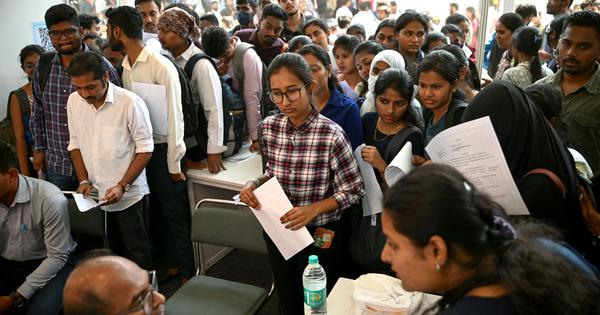
NITI Aayog Reports 8.7 Crore Indian Youth Are NEET
NITI Aayog Urges Skills-First Hiring as AI Threatens Workers

Hooda Accuses Haryana Government of Evading Assembly Questions

India's R&D Ecosystem Faces Hurdles On Path To Knowledge Economy
India’s AI Ambition Faces Questions About School Foundations
Hyderabad Reports Police Aid, Prison Death And Scheme Dispute
Why JSW MG Motor May Bring EREV Technology to India