

Archive · 30 Jan 2026
Mustard Seeds May Reduce Inflammation
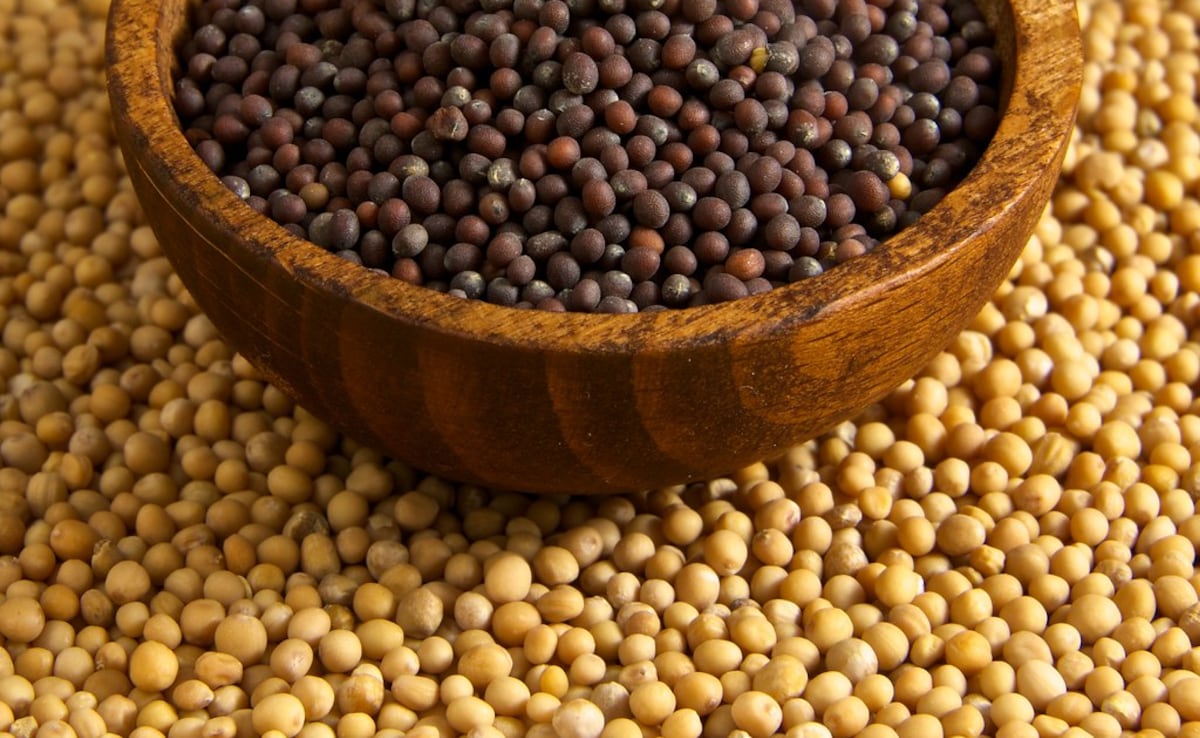
Mustard seeds, commonly used in Indian cooking, may help reduce inflammation in the body.
They contain nutrients like selenium, magnesium, and omega-3 fatty acids, which can fight oxidative stress and regulate inflammatory markers.
Studies suggest that compounds in mustard seeds can lessen pro-inflammatory cytokines and improve gut health.
Traditional uses include relieving joint pain and swelling.
To get the benefits, you can add mustard seeds to your food by making tadka, chutneys, or roasted toppings.
However, eating too many mustard seeds can cause stomach issues or affect thyroid function, so it's important to consume them in moderation.

Mustard seeds contain selenium, magnesium, and omega-3 fatty acids, which help reduce oxidative stress and inflammation.
Compounds in mustard seeds, like isothiocyanates, can reduce pro-inflammatory cytokines by up to 40%.
Mustard seeds have traditional uses for joint pain and swelling relief.
Incorporating mustard seeds into your diet through tadka, chutneys, or roasted toppings can help activate their beneficial enzymes.
Excessive consumption of mustard seeds may lead to gastric irritation, thyroid concerns, and risks during pregnancy.
- Who
- People with chronic inflammation, arthritis, and metabolic disorders
- What
- Mustard seeds and their potential to reduce inflammation
- When
- Ongoing research and traditional use
- Where
- India and other regions where mustard seeds are commonly used
- Why
- To combat chronic inflammation and related health issues
- Mustard Seed Varieties
- Black, Brown, Yellow/White
- Nutritional Content
- Selenium, Magnesium, Omega-3 Fatty Acids, Glucosinolates
- Anti-Inflammatory Compounds
- Isothiocyanates, Allyl Isothiocyanate
- Recommended Daily Intake
- 1-2 teaspoons
- Potential Risks
- Gastric Irritation, Thyroid Concerns, Pregnancy Risks