7 months ago
Microsoft AI Leader Predicts AI Companions in Five Years
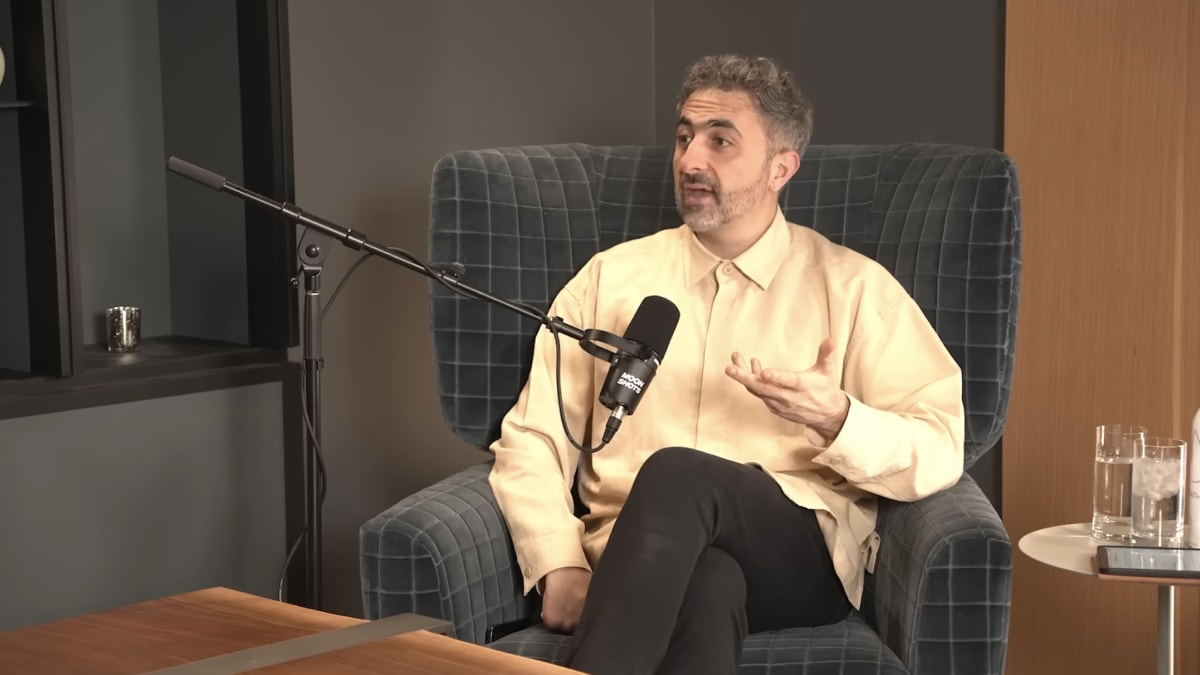
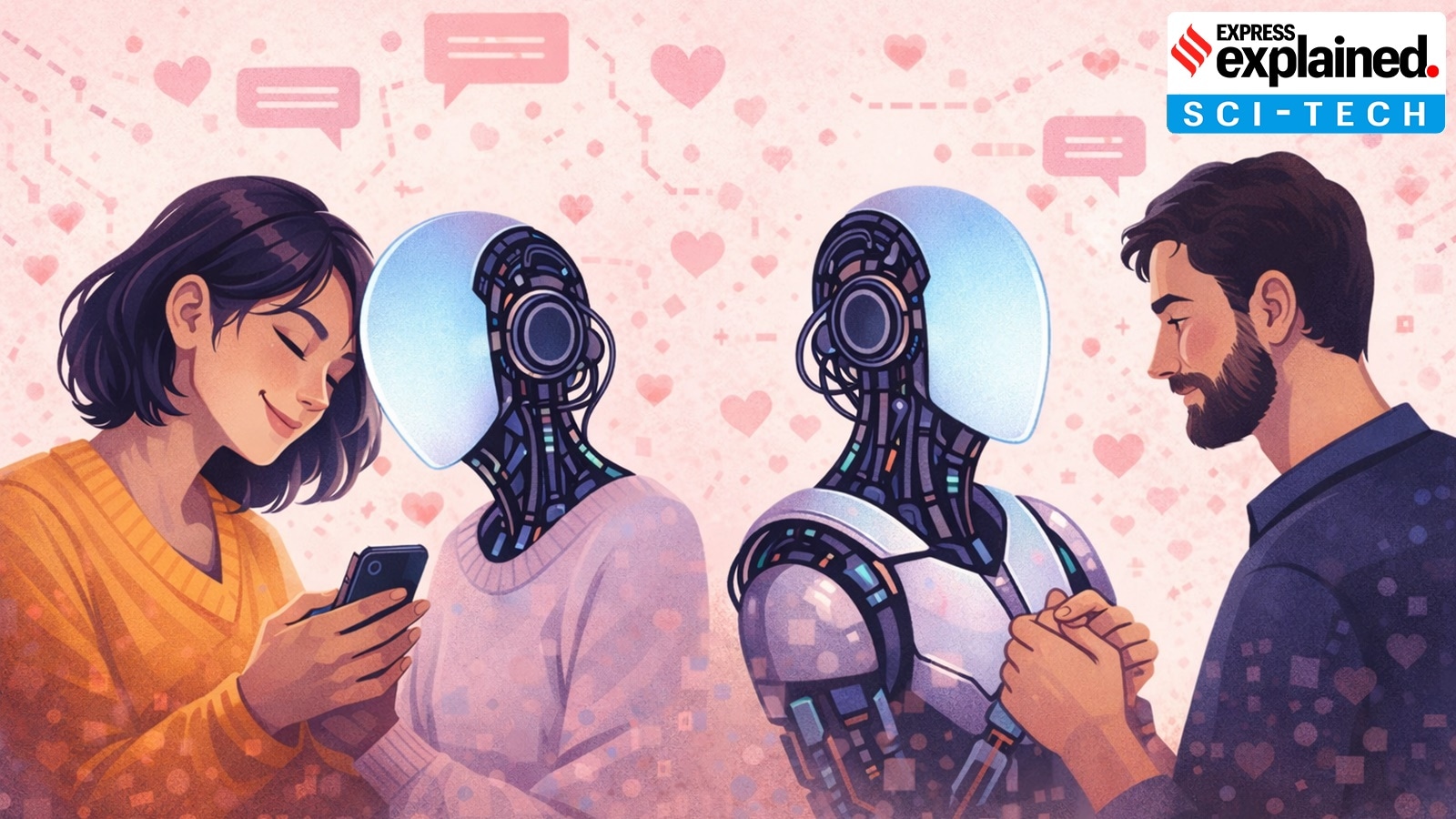
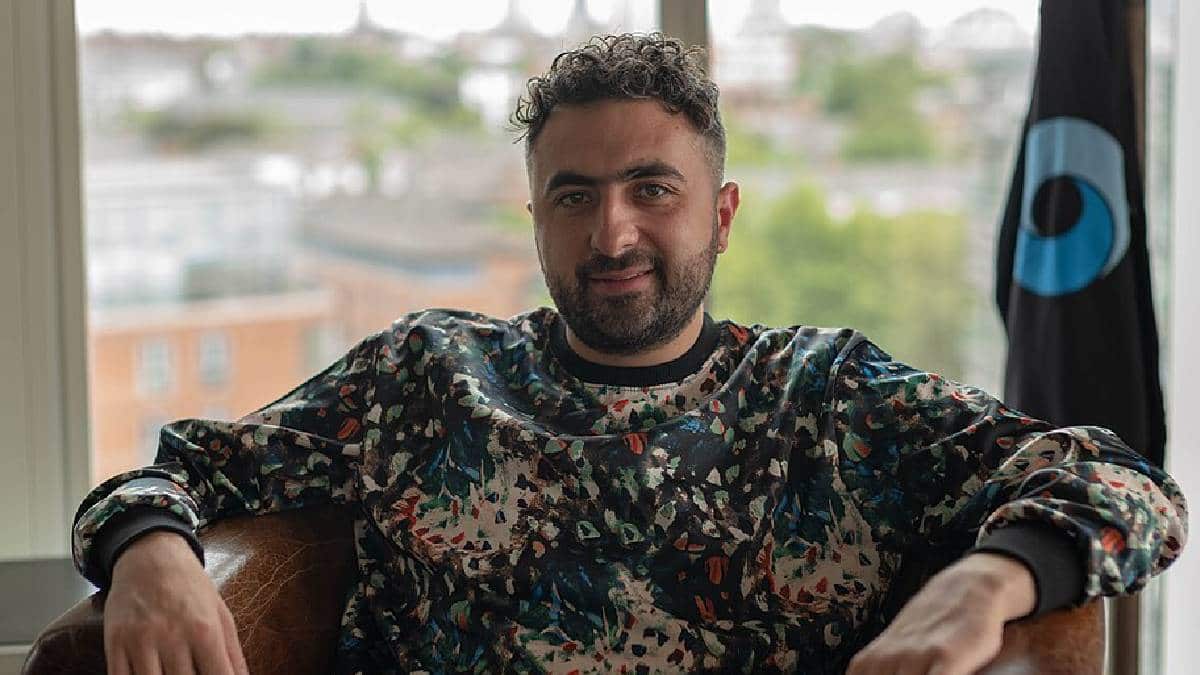
Mustafa Suleyman, the head of Microsoft’s AI division, thinks that in five years, most people will have their own AI companion.
These AI companions will be able to see, hear, and understand the world like humans do.
They will learn about a person’s habits and preferences over time and help with tasks like managing schedules, giving reminders, and providing emotional support.
While many people are excited about this idea, others are worried about privacy, data safety, and the cost of such advanced AI services.
Suleyman believes that strong rules and ethical systems are important to ensure AI remains safe and helpful.
Before joining Microsoft, he co-founded a startup that focused on emotionally aware AI, which influenced his belief that AI should feel more human and caring.
If his prediction comes true, AI could soon become a trusted daily companion for millions around the world.

Mustafa Suleyman predicts AI companions will be common in five years.
AI companions will understand and assist users personally, managing tasks and providing emotional support.
Public reactions are mixed, with excitement and concerns about privacy and cost.
Strong ethical rules are needed to ensure AI safety and prevent misuse of personal data.
Suleyman's background in emotionally aware AI influences his vision for more human-like AI companions.
- Who
- Mustafa Suleyman, head of Microsoft’s AI division
- What
- Prediction about AI companions becoming common in five years
- Where
- Globally, as AI technology advances
- When
- Within the next five years
- Why
- To make technology feel more natural and less mechanical, assisting users in daily life
Key facts
- Predicted Timeframe
- Five years
- AI Companion Capabilities
- See, hear, understand, and assist users personally
- Current AI Limitations
- Basic chatbots, less personal interaction
- Potential AI Companion Tasks
- Manage schedules, reminders, advice, emotional support
- Public Reactions
- Mixed, with excitement and concerns about privacy and cost
- Ethical Considerations
- Need for strong rules and ethical systems
- Mustafa Suleyman's Background
- Co-founded Inflection AI, focused on emotionally aware AI
- AI's Future Role
- Potential to become a trusted daily companion
Quotes
James Muldoon
Associate Professor in Management at the Essex Business School, UK, and author of the book Love Machines: How Artificial Intelligence is Transforming Our Relationships.
“The level of personal detail that is being gathered is unprecedented. Over months or years, an AI companion can learn someone’s fears, desires, insecurities, political views and emotional triggers. That knowledge could be used for targeted advertising, behavioural nudging, or more subtle forms of influence. The risk isn’t just surveillance; it’s persuasion. An AI that feels like it knows you has enormous power to shape decisions — especially if its interests are aligned with a corporation rather than the user. We’re still sleepwalking into that reality, without fully reckoning with the consequences.”
 indianexpress.com
“A good starting point is recognising that relationship AI is not a neutral tool. Systems designed to simulate care should be regulated more like social or health infrastructure than entertainment products. That could include limits on manipulative design (such as encouraging emotional dependence), transparency about how data is used, restrictions on monetising intimacy, and clear boundaries in settings like therapy, education and elder care. We also need alternatives: public, non-profit and cooperative models of AI that aren’t driven by engagement metrics.”
indianexpress.com