

Archive · 3 Jan 2026
Scientists Use Drones to Detect Virus in Arctic Whales
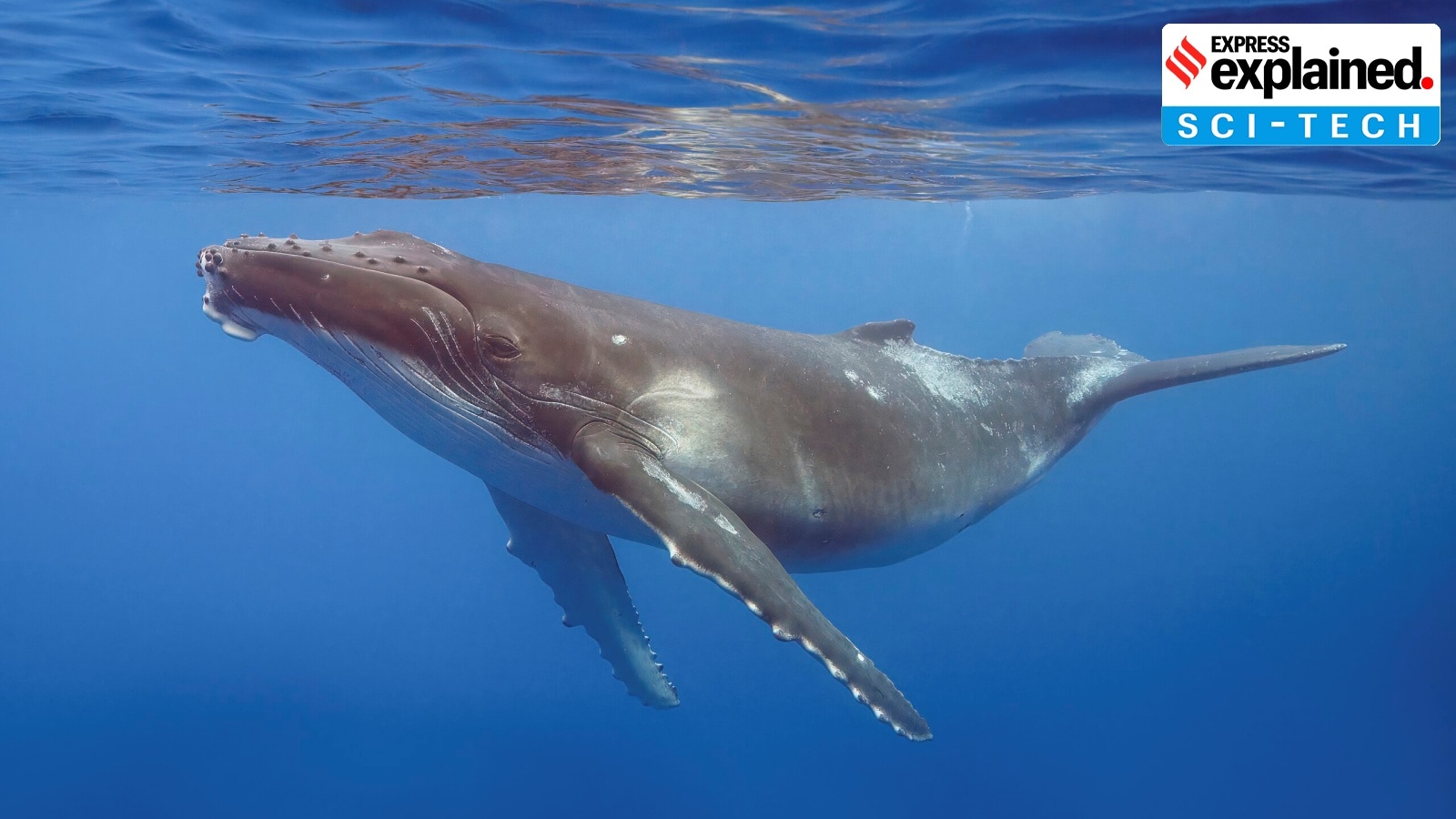
Scientists have found a new way to study whales using drones.
Instead of taking skin samples, which can hurt the whales, they used drones to collect breath samples from whales in the Arctic.
This helped them find a virus called cetacean morbillivirus, which can make whales very sick.
The virus was found in humpback, sperm, and fin whales.
The scientists hope that by studying more whales over time, they can learn how the virus spreads and how things like pollution and climate change affect the whales.
This is important because the virus can cause whales to get very sick and even die.

Scientists used drones to collect breath samples from whales in the Arctic.
They detected the cetacean morbillivirus, which can cause mass strandings and deaths in whales and dolphins.
The virus was found in humpback, sperm, and fin whales in northern Norway, Iceland, and Cape Verde.
This is the first time the virus has been detected in Arctic waters.
The study was published in the journal BMC Veterinary Research.
- Who
- Scientists led by Helena Costa, Nord University
- What
- Detected cetacean morbillivirus in Arctic whales using drones
- When
- Study conducted between 2022 and 2025
- Where
- Northern Norway, Iceland, Cape Verde
- Why
- To study whale health and disease transmission
- Virus Detected
- Cetacean morbillivirus
- Study Period
- 2022-2025
- Whale Species Studied
- Humpback, Sperm, Fin Whales
- Regions Studied
- Northern Norway, Iceland, Cape Verde
- Sample Collection Method
- Drones collecting breath samples
- Journal Published
- BMC Veterinary Research
- Lead Researcher
- Helena Costa, Nord University