

Archive · 11 Nov 2025
NASA's Perseverance Rover Finds Evidence of Multiple Life-Friendly Water Phases on Mars
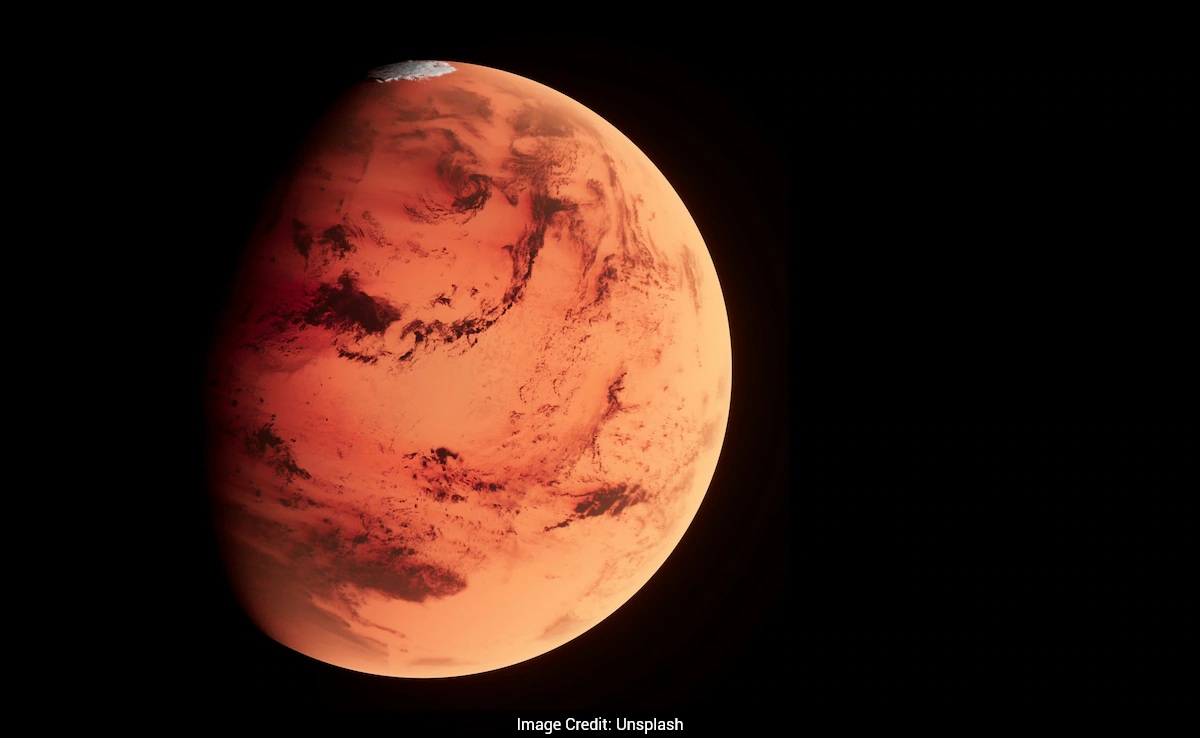
Imagine Mars used to have lakes, like Earth!
NASA's robot explorer, Perseverance, found clues that water in a place called Jezero Crater changed many times.
First, the water was very hot and acidic, which isn't good for life.
Then, it cooled down and became less acidic, which was a little better.
Finally, the water became cool and alkaline, similar to places on Earth where tiny living things can survive.
This means Mars might have had places where life could have started at different times in its ancient past.
The rover used special tools to look at the rocks and find out what the water was like a long, long time ago.

NASA's Perseverance rover found evidence of multiple phases of water activity in Mars's Jezero Crater.
These water phases had different chemical compositions and temperatures, indicating changing environmental conditions.
Early water was hot and acidic, forming minerals like greenalite and hissingerite, unsuitable for life.
Later phases saw water become cooler and more balanced, then eventually cool and alkaline, resembling Earth's habitable conditions.
The formation of minerals like sepiolite suggests the final phase was the most widespread and life-friendly.
- Who
- NASA's Perseverance rover scientists
- What
- Uncovered evidence of multiple distinct stages of water activity in Jezero Crater, indicating varying conditions over time.
- When
- In ancient Martian history
- Where
- Jezero Crater on Mars
- Why
- To understand Mars's past habitability and potential for ancient life.
- Mission
- Mars 2020 Perseverance Rover
- Location
- Jezero Crater, Mars
- Key Instrument
- Planetary Instrument for X-ray Lithochemistry (PIXL)
- Analysis Method
- Mineral Identification by Stoichiometry (MIST) algorithm
- Journal
- Journal of Geophysical Research, Planets