

Archive · 18 Jan 2026
Post-Meal Walks Boost Health Benefits
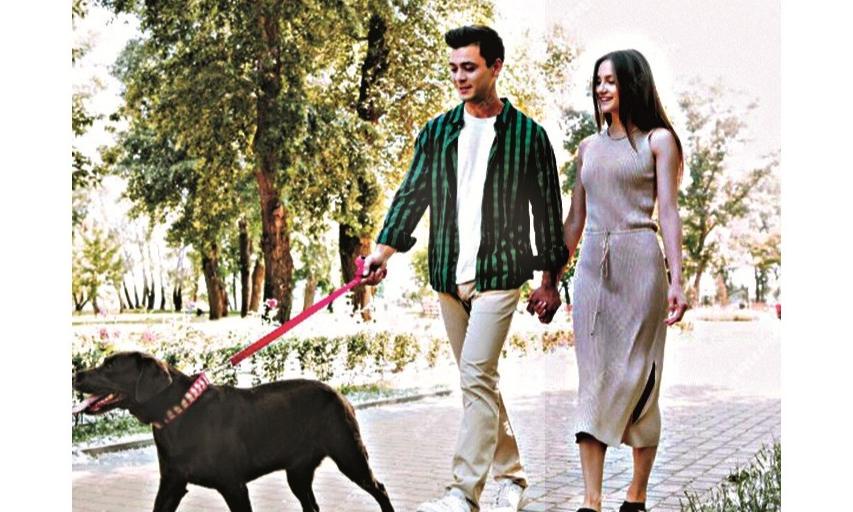
Walking after meals, also called postprandial walking, is good for your health.
It helps your body digest food better, keeps your blood sugar levels steady, and makes your heart stronger.
Walking for just 10-20 minutes at a slow pace after eating, especially after dinner, can make you feel less bloated, sleep better, and even lose a little weight over time.
It's also good for your mood and can reduce stress.
Some famous people like Katrina Kaif and Miranda Kerr do this too.
Just remember not to walk too fast or too hard right after eating, and if you have any health issues, check with your doctor first.

Post-meal walks improve digestion, glycemic control, and cardiovascular health.
Walking for 10-20 minutes at a slow pace 15-30 minutes after meals is recommended.
Post-dinner walks are particularly beneficial due to lower insulin sensitivity at night.
Regular post-meal walks can lead to better sleep, reduced bloating, and slow weight loss.
Individuals with certain health conditions should consult a doctor before starting post-meal walks.
- Who
- General public, especially those with diabetes or metabolic concerns
- What
- Post-meal walks (10-20 minutes, slow pace)
- When
- 15-30 minutes after meals, particularly dinner
- Where
- Outdoors or indoors (living room, office, stairs)
- Why
- Improves digestion, glycemic control, cardiovascular health, mood, and sleep
- Benefits
- Improves digestion, glycemic control, cardiovascular health, mood, and sleep
- Duration
- 10-20 minutes
- Timing
- 15-30 minutes after meals, especially dinner
- Pace
- Slow, steady pace
- Cautions
- Avoid intense exercise; consult doctor if severe acidity, GERD, recent abdominal surgery, hernia, severe back pain, or rigid osteoarthritis
- Celebrity Advocates
- Katrina Kaif, Rujuta Diwekar, Mairlyn Smith, Miranda Kerr