

Archive · 29 Jun 2025
The Journey of Nahaari: From Royal Breakfast to Household Staple
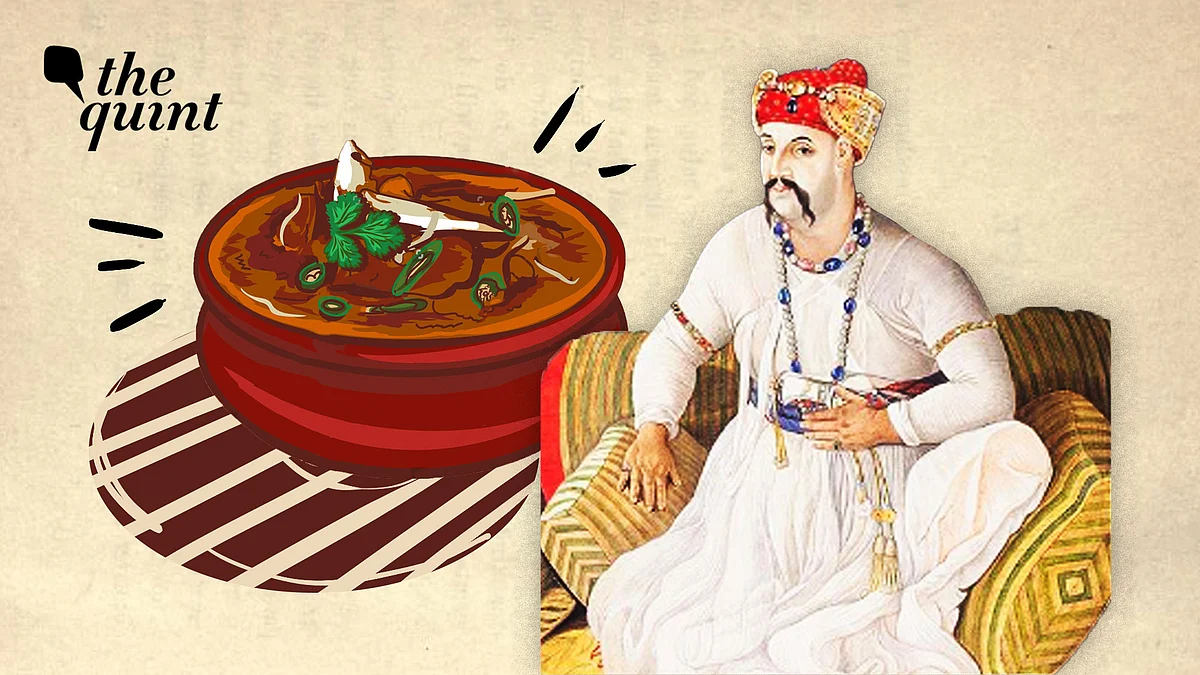
Imagine a special soup called Nahaari, which originated from a royal place called Oudh.
When the royals faced troubles, their chefs traveled and shared their recipes.
This soup became popular, particularly during the holy month of Ramzan in a city called Lucknow.
The traditional version in Lucknow is known for its special spices without added thickeners.
While it's well-loved in Lucknow, it wasn't as popular in Bengal because of factors like the need for specific chefs and a preference for rice-based meals.

Oudh's culinary traditions, including recipes like Nahaari, spread after the 1857 revolt.
Chefs from Oudh introduced their cuisine to East India, influencing Bengali food.
Nahaari, a hearty soup, became a staple, especially during Ramzan in Lucknow.
Nahaari's popularity in Bengal was limited due to various factors including a lack of specialized chefs.
Authentic Lucknowi Nahaari distinguishes itself by its unique blend of spices without flour slurry.
- Who
- The royal chefs of Oudh and the people of Lucknow and Bengal are related to the story.
- What
- Nahaari, a hearty soup and a traditional dish, is being discussed.
- When
- The spread and influence of Nahaari occurred after the 1857 revolt.
- Where
- Nahaari originates from Oudh and is particularly popular in Lucknow and Bengal.
- Why
- The spread of Nahaari was due to the migration of chefs and the dish's association with spiritual occasions.
Perspectives
Details
The Cuisine
Perspectives
The recipes of Oudh chefs spread to East India after the revolt.
Details
Nahaari did not gain popularity in Bengal due to scarcity of Oudhi bawarchis, rice-based recipes, and high status of spiritual benediction.
- Origin
- Oudh, India
- Main Feature
- A hearty soup
- Popularity
- Most popular during Ramzan in Lucknow
- Bengal
- Not very popular
- Authenticity
- Lucknowi Nahaari uses a special spice blend without flour slurry