

Archive · 2 Nov 2025
Cardiologist Warns of Heart Risks from Delhi's Severe Air Pollution
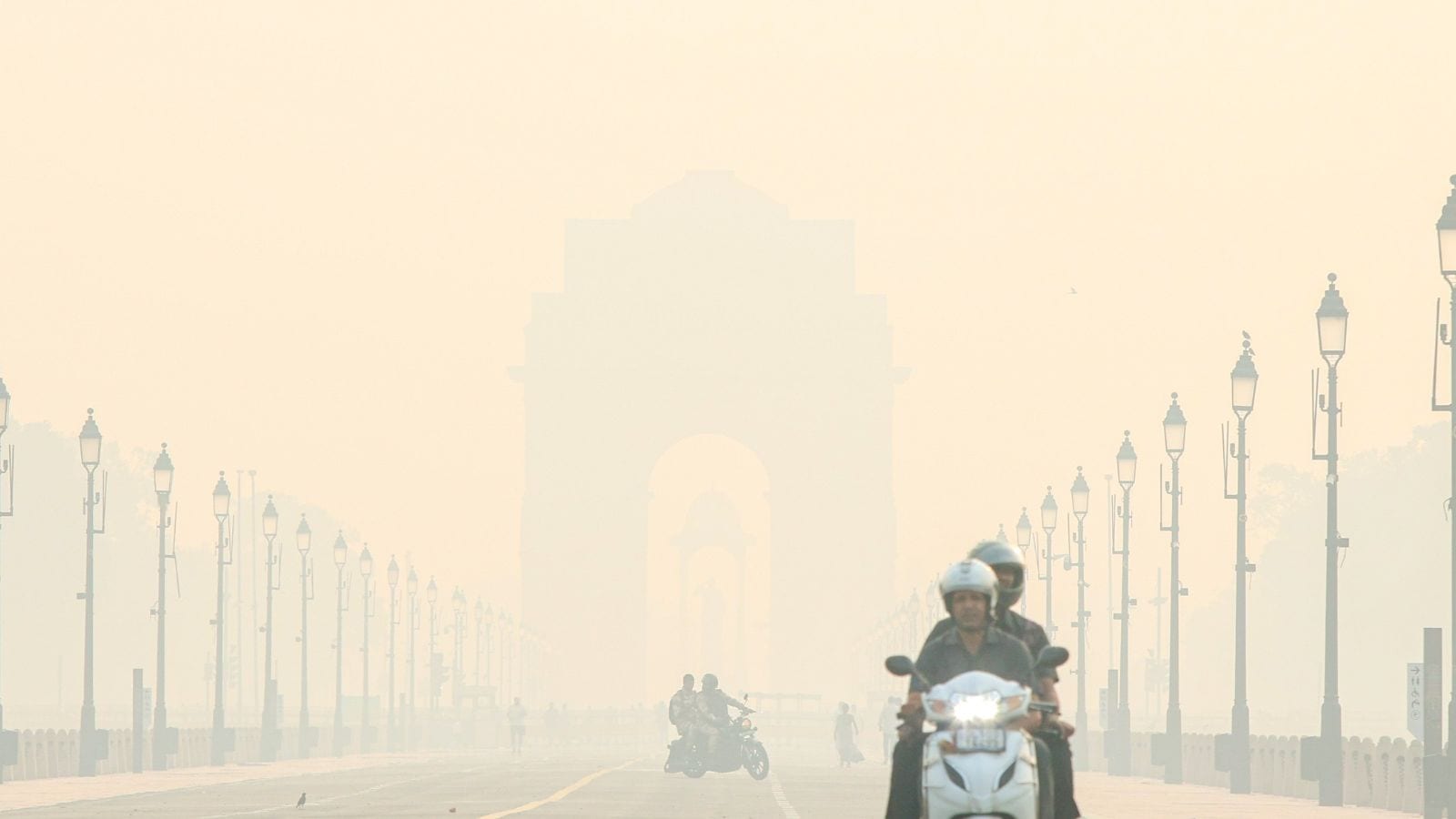
Imagine your body is like a team, and your heart and lungs are best friends who always work together.
When the air in Delhi gets very dirty, like a thick soup, tiny particles can get into your lungs and even go into your blood.
This makes your blood a bit sticky and causes your body to get puffy and inflamed, like a bruise.
It also makes your heart have to pump much harder to get enough oxygen to your body.
This is really tough on your heart, especially if it's already a bit weak or has problems.
Even short times breathing bad air can make people with heart issues feel chest pain or have trouble breathing.
Doctors say that to protect your heart, you should check the air quality every day.
If it's bad, it's best to stay inside, wear a mask if you go out, and try to eat healthy foods that help fight the bad stuff.
It's like giving your body extra shields against the dirty air.

Delhi's air quality in October was severely polluted, with an average AQI of 223, marking the second-worst October in five years.
Consistent exposure to high AQI increases the risk of inflammation, blood clots, high blood pressure, heart attacks, strokes, arrhythmias, and heart failure.
Even short-term exposure to severe pollution can cause chest pain, shortness of breath, or palpitations in individuals with existing heart conditions.
Pollution damages the lungs, reducing oxygen intake and increasing inflammation, which forces the heart to work harder and contributes to cardiovascular complications.
People with pre-existing health conditions, the elderly, children, smokers, and those with sedentary lifestyles are particularly vulnerable to the health impacts of high pollution.
- Who
- Dr. Mukesh Goel, a cardiologist
- What
- Explained how severe air pollution, even with limited exposure, significantly harms heart health and increases the risk of cardiovascular events, especially for those with pre-existing conditions.
- When
- October, and continuing into the season of late October to December
- Where
- Delhi
- Why
- Fine particulate matter (PM2.5 and PM10) from pollution enters the lungs and bloodstream, causing inflammation, oxidative stress, increasing blood pressure, and thickening blood, forcing the heart to work harder and accelerating cardiovascular system wear and tear.
- October AQI Average
- 223 (second-worst in five years)
- Pollution Exposure (October)
- 2/3rds of the month in 'poor' air or worse
- Health Risks
- Inflammation, blood clots, high blood pressure, heart attacks, strokes, arrhythmias, heart failure
- Vulnerable Groups
- Individuals with asthma, COPD, hypertension, diabetes, heart disease, elderly, children, smokers, sedentary lifestyles
- Cardiologist's Advice
- Track AQI daily, avoid outdoor exercise during peak pollution, use N95 masks outdoors, air purifiers indoors, stay hydrated, eat antioxidant-rich foods, adhere to medications, monitor vitals, get flu/pneumonia vaccines.
- Seasonal Trend
- Surge in cardiac and respiratory cases from late October to December linked to pollution and cold weather.
Sources
'Ego > Oxygen': Viral post blames Delhi’s air pollution crisis on collective arrogance, not just policy

'Leave if…': Ex-AIIMS doctor's advice for Delhi residents as air quality drops to very poor

'Air Purifier Reading Jumps From 97 to 500 as Door Opens, Viral Video Shows How Toxic Delhi’s Air Is | WATCH

'Ego’ to blame as Delhi chokes, says man in viral post: ‘Delhiites won’t give up their SUVs…'

Delhi’s Pollution Could Be Fueling Rheumatoid Arthritis: Doctor Lists 7 Red Flags You Shouldn’t Ignore

Priyanka Gandhi Urges Collective Action to Tackle Delhi’s Air Pollution Crisis

‘Leave Delhi For 6-8 Weeks If Possible’: Ex-AIIMS Pulmonologist Advises Amid Worsening Air Pollution