

Archive · 30 Sep 2026
Greece Urges EU Fiscal Flexibility Amid Rising Energy Costs
Energy has become much more expensive for people and companies in Europe.
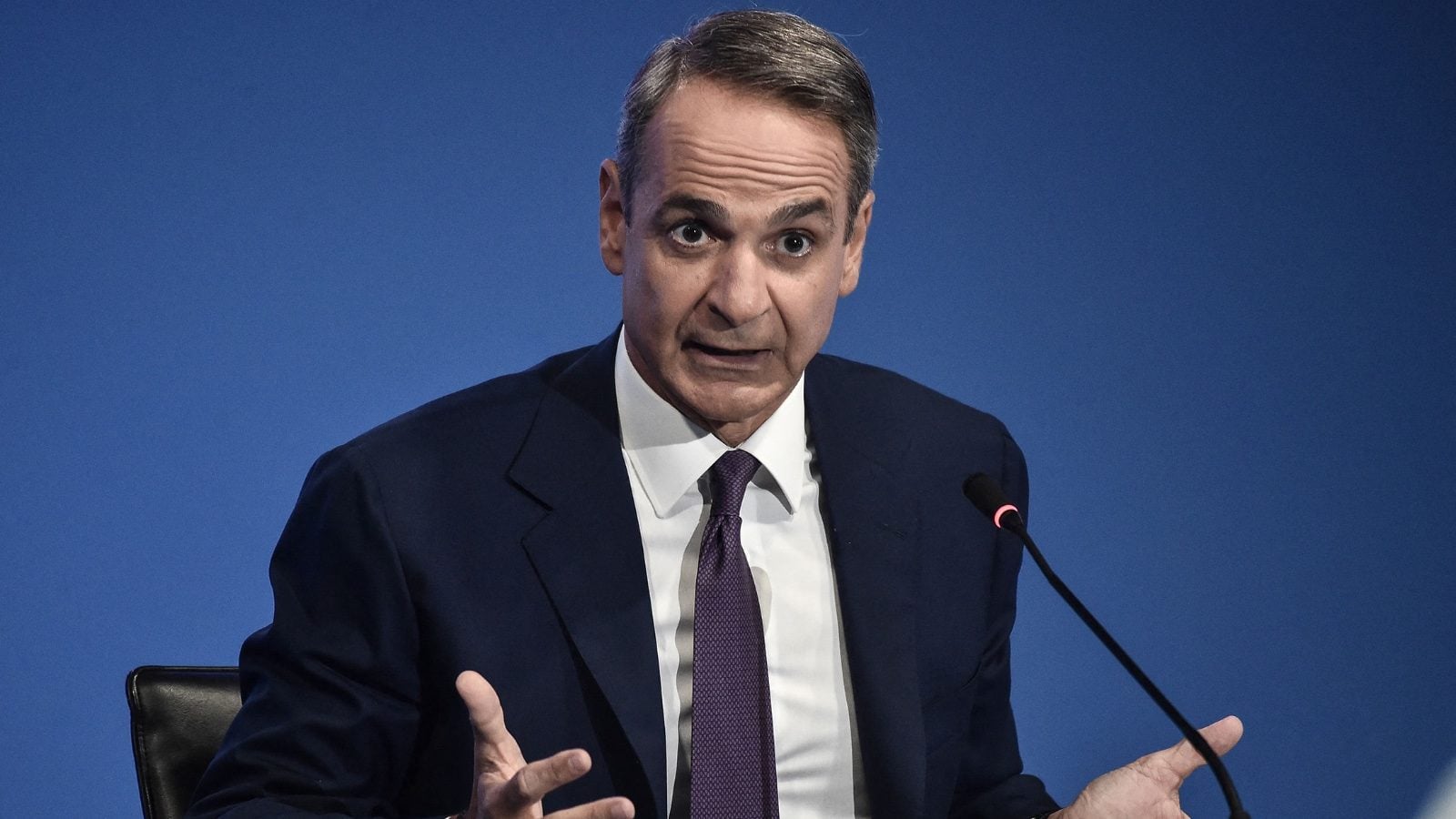
Greece’s prime minister wants European Union countries to have more freedom to spend money helping them.
He suggested that temporary energy-support programs should not count as heavily in fiscal calculations.
He also proposed using extra tax money collected because prices rose unexpectedly.
The European Union has warned countries to reduce energy use and keep gas storage filled.
The report says European gas prices have more than doubled since late February.
Greece is increasing its diesel subsidy and plans to help keep heating oil prices below €1.75 per liter.
EU leaders are expected to discuss energy costs and competitiveness at an October summit.

Greek Prime Minister Kyriakos Mitsotakis urged the European Union to allow more fiscal flexibility to support households and businesses facing higher energy bills.
Mitsotakis proposed excluding temporary national support measures from relevant fiscal calculations up to a specified point.
He also suggested using extra value-added tax revenues from unexpectedly higher prices to help households and businesses.
European gas prices have more than doubled since late February, while companies blame energy costs for hurting the bloc’s competitiveness.
Greece plans to extend and increase its diesel subsidy in October and introduce measures to keep heating oil below €1.75 per liter.
- Who
- Greek Prime Minister Kyriakos Mitsotakis, European Union governments, households, and businesses.
- What
- Greece is calling for greater EU fiscal flexibility and shared measures to ease rising energy costs.
- When
- The proposal was made ahead of a Wednesday cabinet meeting; EU leaders are due to discuss competitiveness on October 15–16.
- Where
- Across the European Union, with Greece already introducing national energy-support measures.
- Why
- To help households and businesses cope with higher energy bills and protect Europe’s competitiveness.
Greater Fiscal Flexibility
Existing EU Fiscal Approach
How governments should respond
Greater Fiscal Flexibility
Greece argues that EU countries need more room in fiscal calculations to fund temporary measures protecting households and businesses from energy costs.
Existing EU Fiscal Approach
The European Commission’s reported response has emphasized reducing energy consumption, while the article does not describe a formal endorsement of Greece’s proposed fiscal changes.
Use of unexpected tax revenues
Greater Fiscal Flexibility
Mitsotakis suggests that additional value-added tax revenues created by higher prices could be redirected to support households and businesses.
Existing EU Fiscal Approach
No opposing proposal on the use of these revenues is detailed in the report.
- Proposal
- Allow greater fiscal flexibility for temporary energy-support measures.
- Additional proposal
- Use extra value-added tax revenues generated by unexpectedly higher prices to support households and businesses.
- Gas prices
- European gas prices have more than doubled since late February and reached their highest level since late 2022 earlier this month.
- Diesel subsidy
- Greece plans to extend its diesel subsidy in October and raise it from €0.10 to €0.15 per liter.
- Heating oil
- Greece plans measures to keep heating oil below €1.75 per liter, the level reported in April.
- EU response
- The EU has urged member states to reduce energy demand and continue filling gas storage before winter.
- Upcoming discussion
- Energy costs and competitiveness are expected to feature at the EU leaders’ summit on October 15–16.