

Archive · 29 Jul 2025
From ‘Monster’ to Miracle: Punjab’s Combine Harvester Story
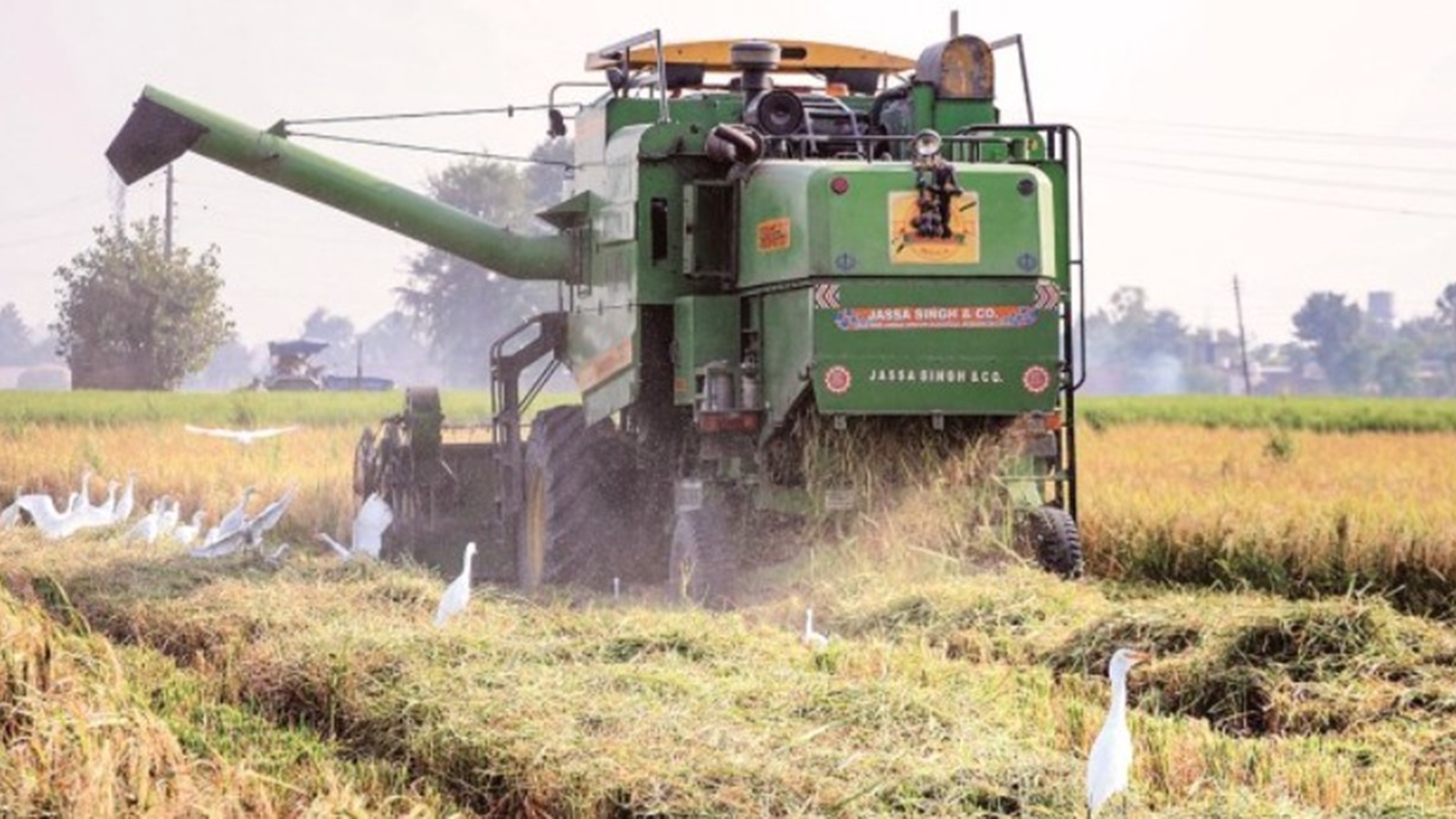
Imagine a giant machine that helps farmers collect their crops much faster.
In the past, people were scared of these machines, but now, they are super important.
These machines are mostly made in Punjab, India.
Farmers there started building them because they needed help after the Green Revolution.
Before, harvesting took a long time, but these machines do it in hours.
The machines cost a lot and there are some problems but they help save time and money.

Combine harvesters, once feared, have become essential for mechanized harvesting in India.
Punjab is the primary hub for combine harvester manufacturing, with around 100 units.
The industry began in the 1970s, with pioneers adapting and building harvesters.
These machines significantly reduced harvesting time, transforming farm life.
Challenges include rising costs and limited infrastructure, but the industry continues to evolve.
- Who
- The Ramgarhia community, along with companies like Kartar and Dashmesh Group, pioneered the industry.
- What
- The evolution of combine harvesters in India, from initial skepticism to becoming vital farming equipment.
- When
- The industry started in the early 1970s, following the Green Revolution.
- Where
- Primarily in Punjab, India, which now houses numerous manufacturing units.
- Why
- To mechanize and streamline the harvesting process, increasing efficiency and production.
Early Skepticism
Current Acceptance
Initial Concerns vs. Actual Results
Early Skepticism
Some farmers initially feared that harvesters would damage their crops.
Current Acceptance
Farmers later became impressed with how efficiently the machines worked, which increased productivity.
- Initial Cost (1970s)
- Few lakh rupees
- Current Cost
- Rs 25-35 lakh
- Annual Production
- Around 8,000 harvesters
- Key Manufacturers
- Kartar, Manku, Dashmesh Group, Bharat Combines
- Main Season
- Rabi (wheat) and Kharif (paddy) seasons
- Machines exported
- 85% to other states, 15% locally used