Archive · 13 Nov 2025
Senior Citizens Can Still Get Up to 9.2% on Corporate FDs Amidst Lower Rates
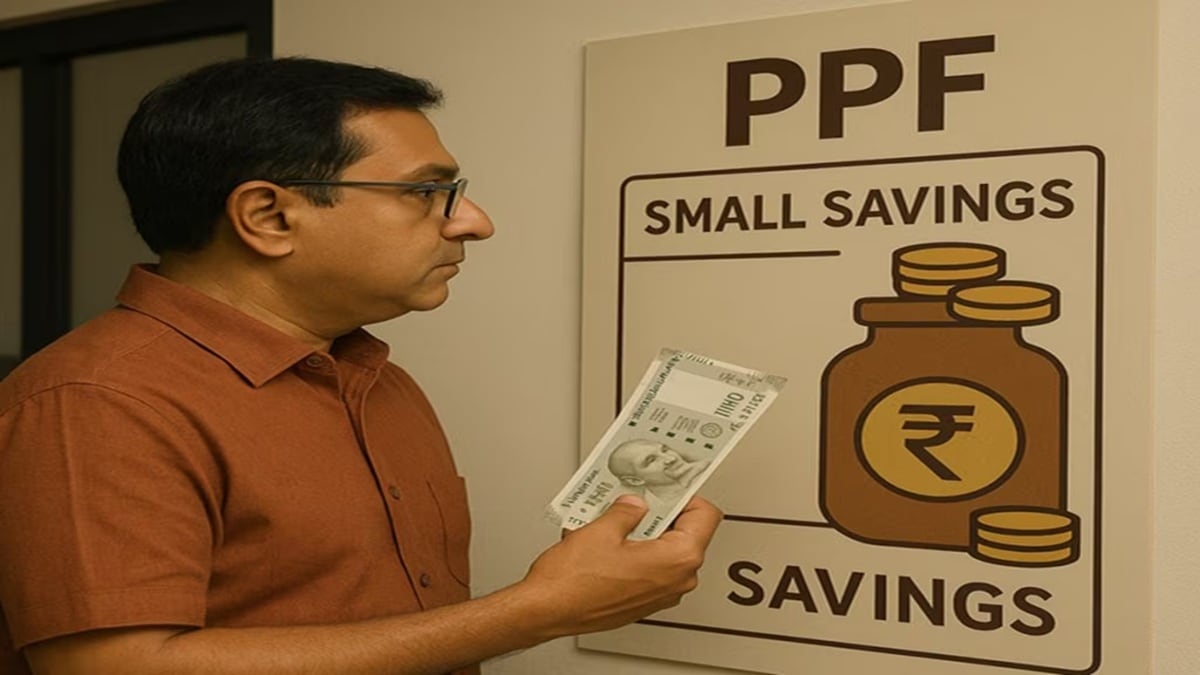
Imagine you used to get a lot of extra money, like a bonus, for saving your money in a special place called a Fixed Deposit (FD) when you were older.
This was true until 2025 when the people in charge of money, the RBI, decided to lower the cost of borrowing money.
Because of this, banks and companies that take your savings don't need to pay as much extra money anymore, so the bonuses on FDs went down.
Now, older people might not get as much bonus as they used to from regular bank FDs.
But, some companies outside of the main banks are still offering bigger bonuses on their special FDs.
These company FDs might pay more, but you have to be careful and pick companies that are known to be safe.
It's important to check which companies are trustworthy before putting your savings there.
Also, the extra money you get from these FDs is taxed, just like your regular earnings.

Fixed deposit (FD) interest rates have softened significantly by November 2025 due to consecutive RBI rate cuts totaling 100 basis points.
Senior citizens, who previously enjoyed rates between 7.5%–8.5%, are now seeing maturing FDs renewed at lower rates.
Corporate FDs continue to offer higher yields for senior citizens, with rates potentially ranging from 8.10% to 9.20%, compared to bank FDs.
While bank FDs offer DICGC insurance up to Rs 5 lakh and low default risk, corporate FDs' safety depends on the issuer's credit rating.
Interest earned from both bank and corporate FDs is taxable as per the individual's income slab, with TDS applicable above certain thresholds.
- Who
- Senior citizens and general public looking for fixed deposit investments.
- What
- A shift from high fixed deposit (FD) returns to lower rates due to RBI rate cuts, with corporate FDs still offering higher yields for senior citizens compared to bank FDs.
- When
- The high-FD regime persisted until early 2025; the current lower rate environment is noted as of November 2025.
- Where
- Investments are available through commercial banks, non-banking financial companies (NBFCs), housing finance companies, and corporates.
- Why
- RBI's rate cuts aimed at easing inflation and stabilizing growth have led banks and NBFCs to reduce their FD interest rates.
Bank FDs
Corporate FDs
Interest Rates
Bank FDs
Offer lower rates, with senior citizens typically getting 0.25-0.75% above regular rates. Top rates for senior citizens are around 7.15%-7.75% from the banks listed.
Corporate FDs
Offer higher interest rates, with senior citizens potentially earning 8.10% to 9.20%. Companies like Muthoot Capital Services and Sundaram Home Finance offer competitive rates.
Safety and Security
Bank FDs
Deposits are insured up to Rs 5 lakh by DICGC. Banks, especially public sector and top private ones, carry extremely low default risk, providing peace of mind.
Corporate FDs
Safety varies by issuer. Investors should choose companies with high credit ratings (AAA or AA+). These FDs do not have DICGC insurance.
Withdrawal Flexibility
Bank FDs
Premature withdrawal is usually allowed with a small penalty.
Corporate FDs
Premature withdrawal rules can be more restrictive and vary by company.
- RBI Rate Cuts
- Consecutive cuts since February 2025 have led to softening of FD rates.
- Senior Citizen FD Rates (Banks)
- Currently range from approximately 7.15% to 7.75% for top banks.
- Senior Citizen FD Rates (Corporates)
- Can offer 8.10% to 9.20% (e.g., Muthoot Capital Services, Sundaram Home Finance).
- Bank FD Insurance
- Up to Rs 5 lakh per depositor via DICGC.
- Corporate FD Safety
- Dependent on the issuer's credit rating (recommended AAA or AA+).
- Taxation
- Interest from both bank and corporate FDs is taxable as per slab. TDS applies above Rs 40,000 (Rs 50,000 for senior citizens).