Archive · 18 Sep 2026
Modi Pitches India as Trusted Hub for Chip Manufacturing
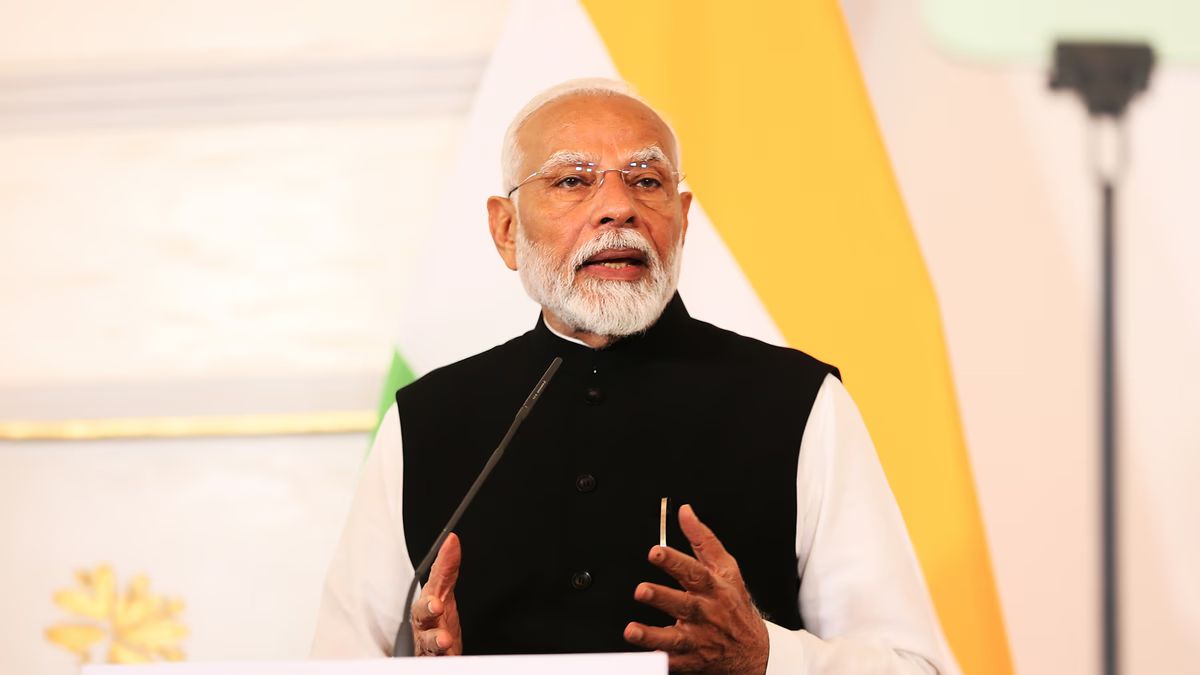
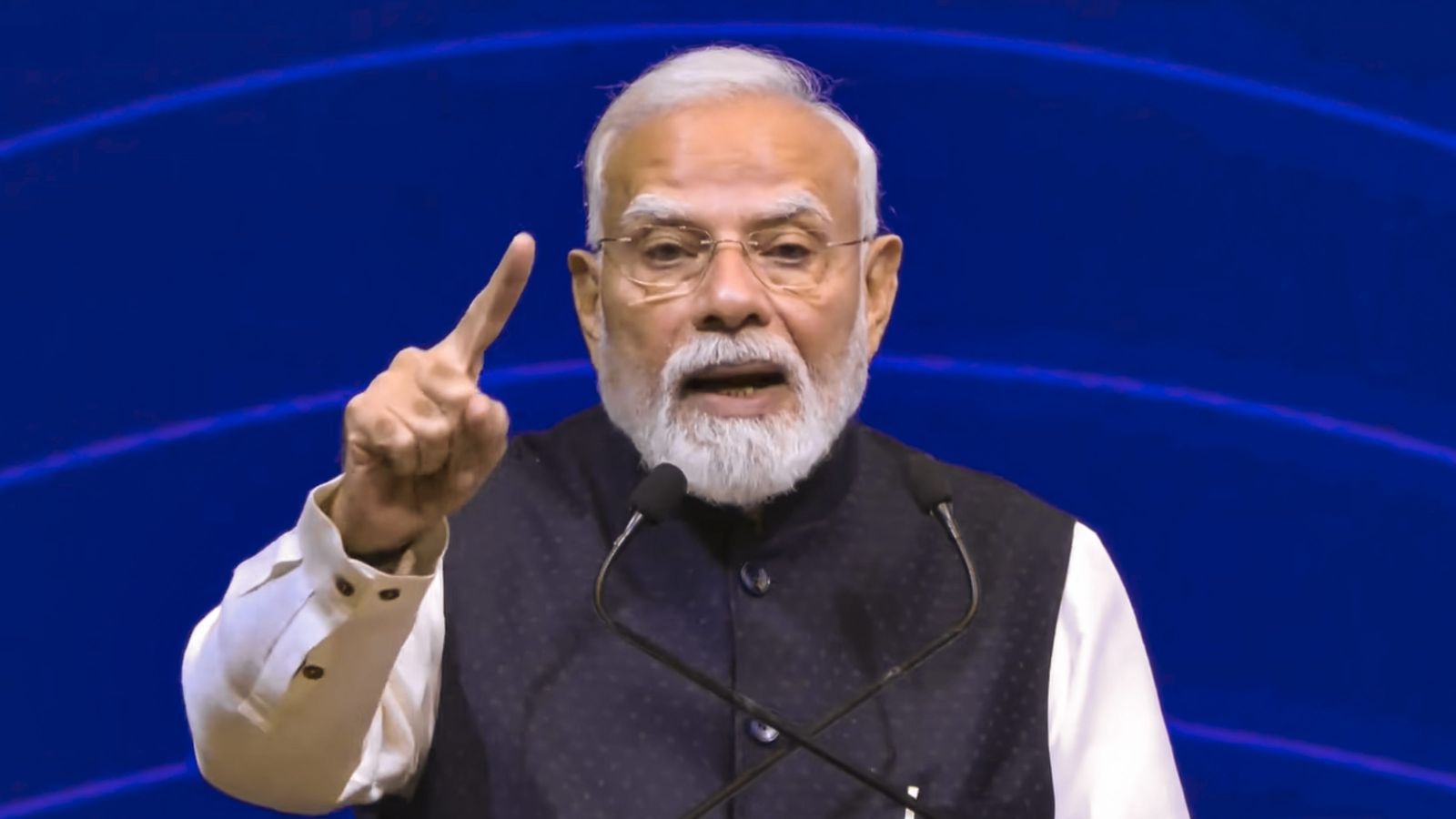
Prime Minister Narendra Modi said India wants to become a trusted place for making computer chips.
He said India has moved into the second stage of its semiconductor program.
Twelve projects have been approved, and three have started making products for sale.
The next stage will support factories, equipment, materials, chip design, research and worker training.
Companies including Applied Materials and Lam Research announced large investments in India.
Micron said its facility in Gujarat has begun shipping memory products.
India needs many more chips as technology use grows, but it still imports a large amount of semiconductor products.
Modi said stronger Indian research and supply chains could help India and the wider world.

Prime Minister Narendra Modi said India has entered the second phase of its semiconductor journey at SEMICON India 2026.
Twelve semiconductor projects have been approved, with three already beginning commercial production.
The expanded Semiconductor Mission 2.0 will support equipment, materials, design, research, supply chains and workforce development.
Applied Materials plans to invest $5 billion and Lam Research around Rs 10,000 crore in India.
India’s chip demand could reach $110 billion by FY30, while domestic manufacturing and the broader ecosystem remain in an early stage.
- Who
- Prime Minister Narendra Modi, the Indian government and global semiconductor companies, including Applied Materials, Lam Research, Micron Technology and Infineon Technologies.
- What
- India presented its progress and expanded plans to become a trusted semiconductor manufacturing and technology hub.
- When
- Thursday, September 17, 2026.
- Where
- SEMICON India 2026 in New Delhi, India, with semiconductor activity also highlighted in Gujarat.
- Why
- India wants to meet rising chip demand, diversify global supply chains, attract investment and develop domestic research, manufacturing and skilled talent.
Expansion Opportunity
Remaining Challenges
India’s global chip role
Expansion Opportunity
The government says India can become a new and trusted manufacturing base, strengthen global supply chains and attract international semiconductor companies.
Remaining Challenges
India’s domestic semiconductor manufacturing remains nascent, and the country spent almost $150 billion on semiconductor product imports between FY17 and FY25.
Progress toward production
Expansion Opportunity
Modi said India achieved in about four years what often takes countries around a decade, while Micron reported shipments and major companies announced investments.
Remaining Challenges
The semiconductor journey is still described as ongoing, requiring further development in equipment, materials, research, design, supply chains and skilled manpower.
Industry participation
Expansion Opportunity
The government says reforms are enabling collaboration between international companies, Indian startups, design firms, universities and research institutions.
Remaining Challenges
Modi urged private companies to take a larger role in research and development, indicating that stronger industry-led innovation is still needed.
- Approved projects
- Twelve semiconductor projects were approved under the first phase of the India Semiconductor Mission.
- Commercial production
- Three approved projects have begun commercial production.
- Mission 2.0 funding
- The second phase was described as having an outlay of Rs 1.27 lakh crore, or $13.5 billion, compared with about $8 billion for the first phase.
- Demand forecast
- India’s semiconductor demand is projected to reach $110 billion by FY30 and exceed $200 billion by FY35.
- Applied Materials investment
- Applied Materials plans to invest $5 billion in India over the next decade and build a 140-acre semiconductor research park.
- Lam Research investment
- Lam Research plans to invest around Rs 10,000 crore over the next several years in silicon-component manufacturing and research.
- Workforce target
- The government aims to train 100,000 engineering students for the semiconductor industry and says more than 70,000 have already been trained.