

Archive · 9 Jan 2026
New START Treaty Expiration Looms
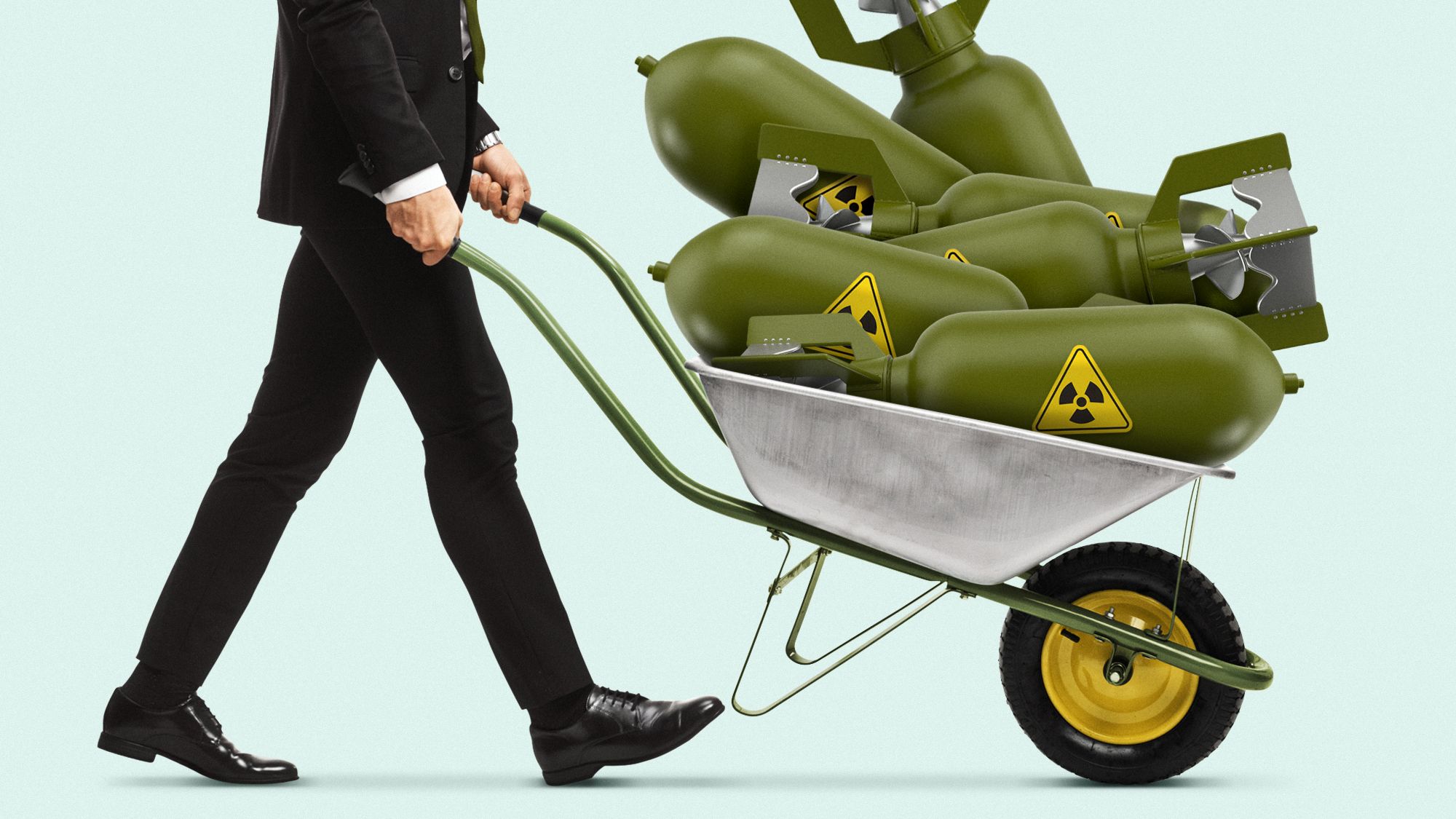
The New START treaty, which limits the number of nuclear weapons that the US and Russia can have, is about to expire.
This treaty, signed in 2010, caps the number of nuclear warheads and delivery vehicles each country can have.
If it expires, it would be the first time in about 50 years that these two countries, which have most of the world's nuclear weapons, would not have any limits on their arsenals.
Both countries are busy with the war in Ukraine, so they haven't talked much about renewing or replacing the treaty.
Russia's leader, Putin, suggested they could keep following the treaty's limits for another year, but the US hasn't formally responded.
Some experts think this could lead to a new arms race, especially with China building up its nuclear weapons.
The treaty's expiration could mean more spending on nuclear weapons and less cooperation between the US and Russia.

The New START treaty, which limits US and Russian nuclear arsenals, is set to expire on 5 February.
If the treaty expires, it would be the first time in about 50 years without formal constraints on US and Russian nuclear arsenals.
Russia proposed adhering to the treaty's limits for an additional 12 months, but the US has not formally responded.
China's nuclear arsenal is growing, with estimates suggesting it will have over 1,000 warheads by 2030.
Experts are divided on the potential outcomes, with some warning of a possible Cold War-like arms race.
- Who
- United States and Russia
- What
- Potential expiration of the New START nuclear arms control treaty
- When
- 5 February
- Where
- Globally, with negotiations between the US and Russia
- Why
- The treaty is set to expire, and there is uncertainty about its renewal or replacement
- Treaty Name
- New START (Strategic Arms Reduction Treaty)
- Signing Year
- 2010
- Expiration Date
- 5 February
- Warhead Limit
- 1,550 each
- Delivery Vehicles Limit
- 700 each
- Russia's Proposal
- Adhere to START limits for 12 months
- China's Estimated Warheads
- 600 (estimated to reach 1,000 by 2030)
- US-Russia Nuclear Warheads
- 87% of the world's total