

Archive · 28 May 2025
Jet Generations: Key Differences Between 4th, 4.5th, 5th, and 6th Gen
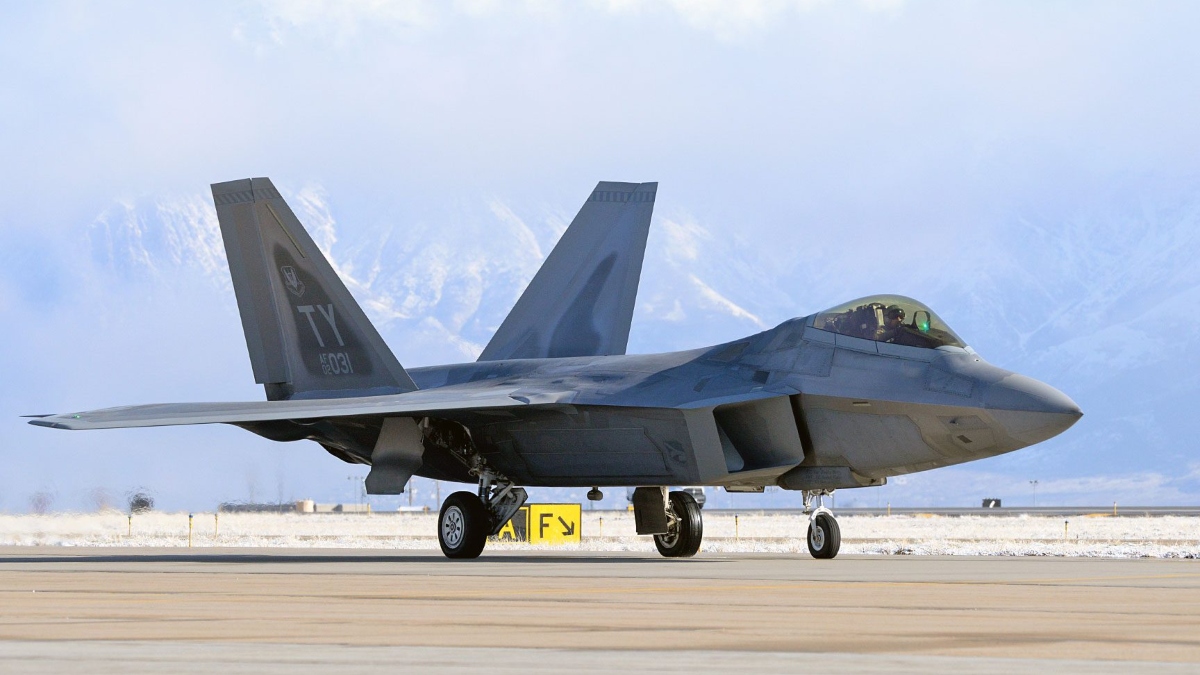
Fighter jets help countries defend themselves.
They've improved over time.
Fourth-generation jets, like the F-16, were good at fighting other planes.
Then came 4.5-generation jets, like the Rafale, with better radar and sneaky features.
Fifth-generation jets, such as the F-35, are super sneaky with advanced sensors and can do many jobs.
Future sixth-generation jets will go even further, with cool new tech like hypersonic speeds and AI.

Fighter jets are crucial for national defense, air superiority, and strategic power projection.
Fourth-generation jets (e.g., F-16) focused on maneuverability and air-to-air combat.
4.5-generation jets (e.g., Rafale) have enhanced radar, sensors, and some stealth capabilities.
Fifth-generation jets (e.g., F-35) have stealth, sensor fusion, and multi-role capabilities.
Sixth-generation jets are expected to have hypersonic capabilities, AI integration, and directed-energy weapons.
- Who
- Air forces and countries
- What
- The differences between fighter jet generations.
- When
- From 1970s to future
- Where
- Worldwide
- Why
- To understand advancements in fighter jet technology and their impact on warfare.
- 4th Generation Timeline
- 1970s-1990s
- 4th Generation Examples
- F-16, F-15, MiG-29, Su-27
- 4.5 Gen Features
- Enhanced radar, sensor systems, stealth
- 4.5 Generation Examples
- F-18E/F Super Hornet, Su-30, Su-35, Rafale, Eurofighter Typhoon
- 5th Gen Features
- Stealth, sensor fusion
- 5th Generation Examples
- F-22 Raptor, F-35, J-20, Su-57
- 6th Gen Features
- Hypersonic, AI, directed-energy weapons
- 6th Generation Examples
- Tempest, NGAD, Baidi