Archive · 24 Sep 2026
Iran Warns War Could Spread to Indian Ocean After Attacks
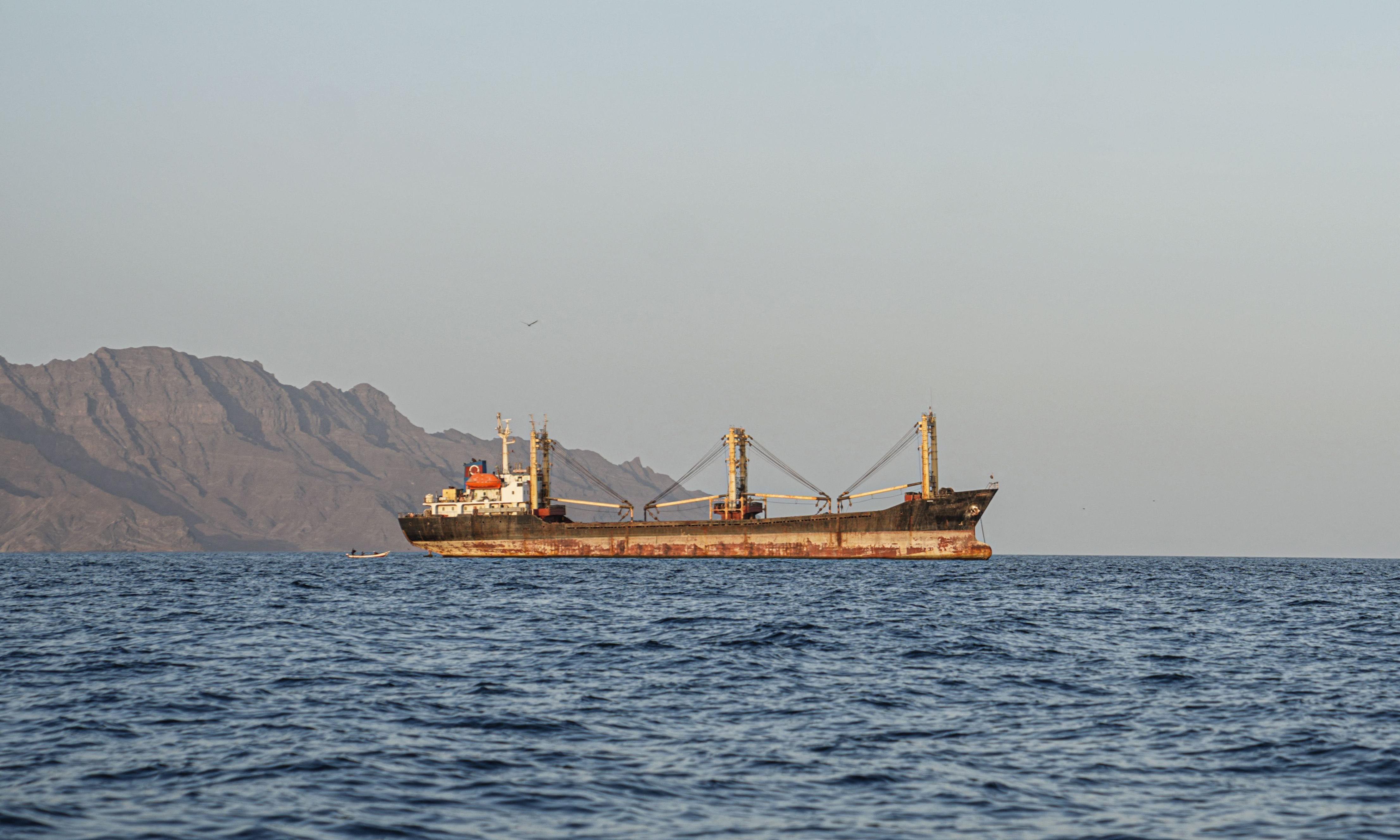
An Iranian military adviser warned that the war could spread to the Indian Ocean.
He said this might happen if the United States or Israel attacks Iran again.
He said Iran has prepared plans for a very serious situation.
He also warned that fighting could increase around the Red Sea and Bab al-Mandab Strait.
Yemen-based Houthi forces have taken control of parts of the Red Sea coastline, according to the reports.
Iran supports the Houthis but denies directly fighting in Yemen.
The Strait of Hormuz has also become a major point of conflict.
Iranian and US officials were talking in New York about ending the war.
Iran’s president said his country is willing to negotiate, but not under threats or force.

Yahya Rahim Safavi warned that further US or Israeli attacks could extend the conflict from the Red Sea to the Indian Ocean and beyond.
Safavi said Iranian military plans are ready for a worst-case scenario if attacks on Tehran resume.
He warned that a new front could emerge around the Red Sea and Bab al-Mandab Strait.
The warning came as Iranian and US officials held talks in New York during the United Nations General Assembly.
Iranian President Masoud Pezeshkian said Tehran supports dialogue but rejects negotiations conducted under pressure or force.
- Who
- Yahya Rahim Safavi, an adviser to Iran’s Supreme Leader Mojtaba Khamenei, issued the warning; President Masoud Pezeshkian also addressed Iran’s position.
- What
- Iran warned that the conflict could expand from the Persian Gulf, Strait of Hormuz, and Red Sea to the Indian Ocean if further attacks occur.
- When
- The warning was issued on Thursday, September 24, during the United Nations General Assembly session.
- Where
- The potential expansion involves the Red Sea, Bab al-Mandab Strait, Indian Ocean, and possibly areas beyond them.
- Why
- Safavi said further US or Israeli attacks could prompt Iran to widen the conflict.
Iranian Position
US-Israel Position
Negotiations and pressure
Iranian Position
President Masoud Pezeshkian said Iran is ready for dialogue and diplomacy but will not accept negotiations conducted through force, pressure, or threats.
US-Israel Position
The reports describe US-Israeli strikes and continued pressure but do not provide a direct US or Israeli response on negotiations.
Risk of escalation
Iranian Position
Safavi warned that additional attacks could open a new front around the Red Sea and Bab al-Mandab Strait and extend the conflict to the Indian Ocean or beyond.
US-Israel Position
The reports say US-Israeli strikes triggered the war, but they do not state the US or Israeli governments’ positions on Safavi’s warning.
Control of strategic waterways
Iranian Position
Iran has locked down or virtually blockaded the Strait of Hormuz, while portraying its actions as a response to US-Israeli strikes.
US-Israel Position
The reports say the United States has imposed a naval blockade and is contesting Iran’s control of the Strait of Hormuz.
- Warning source
- Major-General Yahya Rahim Safavi, an adviser to Iran’s Supreme Leader
- Potential conflict area
- The Indian Ocean and possibly areas beyond it
- Regional waterways
- The Persian Gulf, Strait of Hormuz, Red Sea, and Bab al-Mandab Strait
- Iranian military posture
- Safavi said Iran has prepared plans for a worst-case scenario if attacks resume
- Houthi position
- The Houthis reportedly control parts of the Red Sea coastline and are fighting Saudi-backed government forces
- Iran’s role in Yemen
- Iran provides military support to the Houthis but denies direct involvement in the Yemen conflict
- Diplomatic setting
- Iranian and US officials held talks in New York on the sidelines of the United Nations General Assembly
- Iranian conditions
- Iran has demanded sanctions relief and the unconditional release of frozen assets as conditions for ending the war