

Archive · 30 May 2025
Is AC Condensate Water Safe for Inverter Batteries?
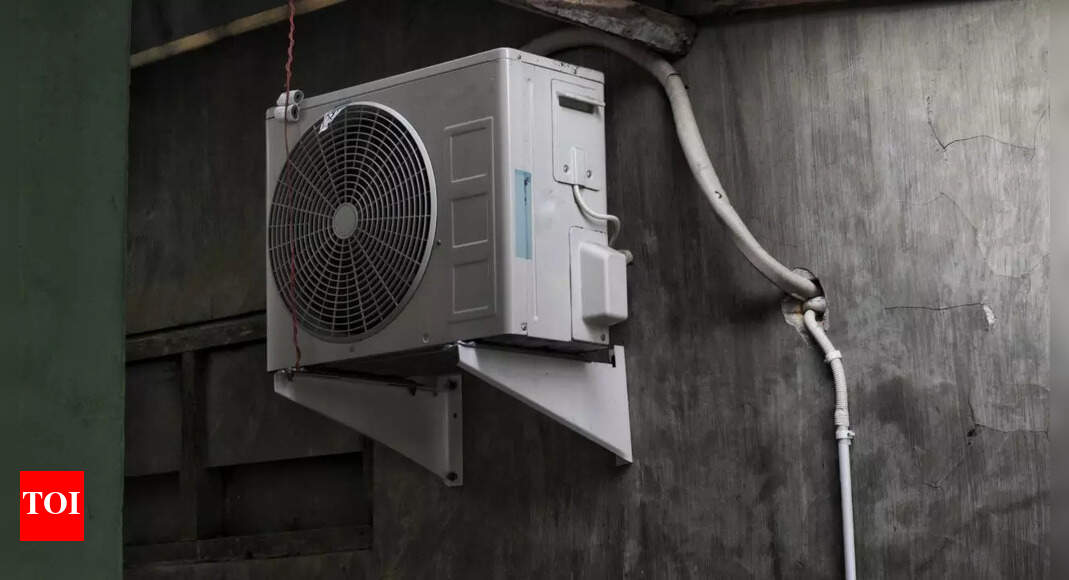
When your AC runs, it makes water called condensate.
Some people wonder if they can use this water in batteries that store electricity.
But, the water isn't pure; it can have tiny bits of dust, metal, or even mold.
Batteries need very clean water, like distilled water, to work correctly.
Using the AC water could harm the battery, making it work less well.
It's better to use the AC water for things like watering plants or washing cars instead of the battery.

AC condensate water is the byproduct of air conditioning, formed by condensation on evaporator coils.
While appearing clean, condensate water can contain impurities such as dust, algae, and metal traces.
Inverter batteries need distilled water, which is free of minerals and impurities.
Experts warn against using AC condensate water directly due to potential contaminants that may damage the battery.
Safe uses for AC condensate water include watering plants, car washing, and flushing toilets.
- Who
- Experts and homeowners.
- What
- Evaluating the safety of using AC condensate water for inverter batteries.
- When
- Ongoing.
- Where
- Not explicitly mentioned.
- Why
- To determine if AC condensate water is a viable alternative to distilled water for inverter batteries.
Resourcefulness
Risk Avoidance
Safety of Use
Resourcefulness
AC condensate water can be a free and accessible water source, potentially useful.
Risk Avoidance
Direct use of AC condensate water is risky due to impurities.
- Source of Condensate Water
- Evaporator coils
- Potential Contaminants
- Dust, algae, metal traces
- Distilled Water Characteristics
- Free from minerals and impurities
- Risks of using contaminated water
- Corrosion, reduced lifespan
- Safe Reuse Applications
- Watering plants, car washing