

Archive · 21 Jul 2026
Third Spaces Combat Loneliness in India
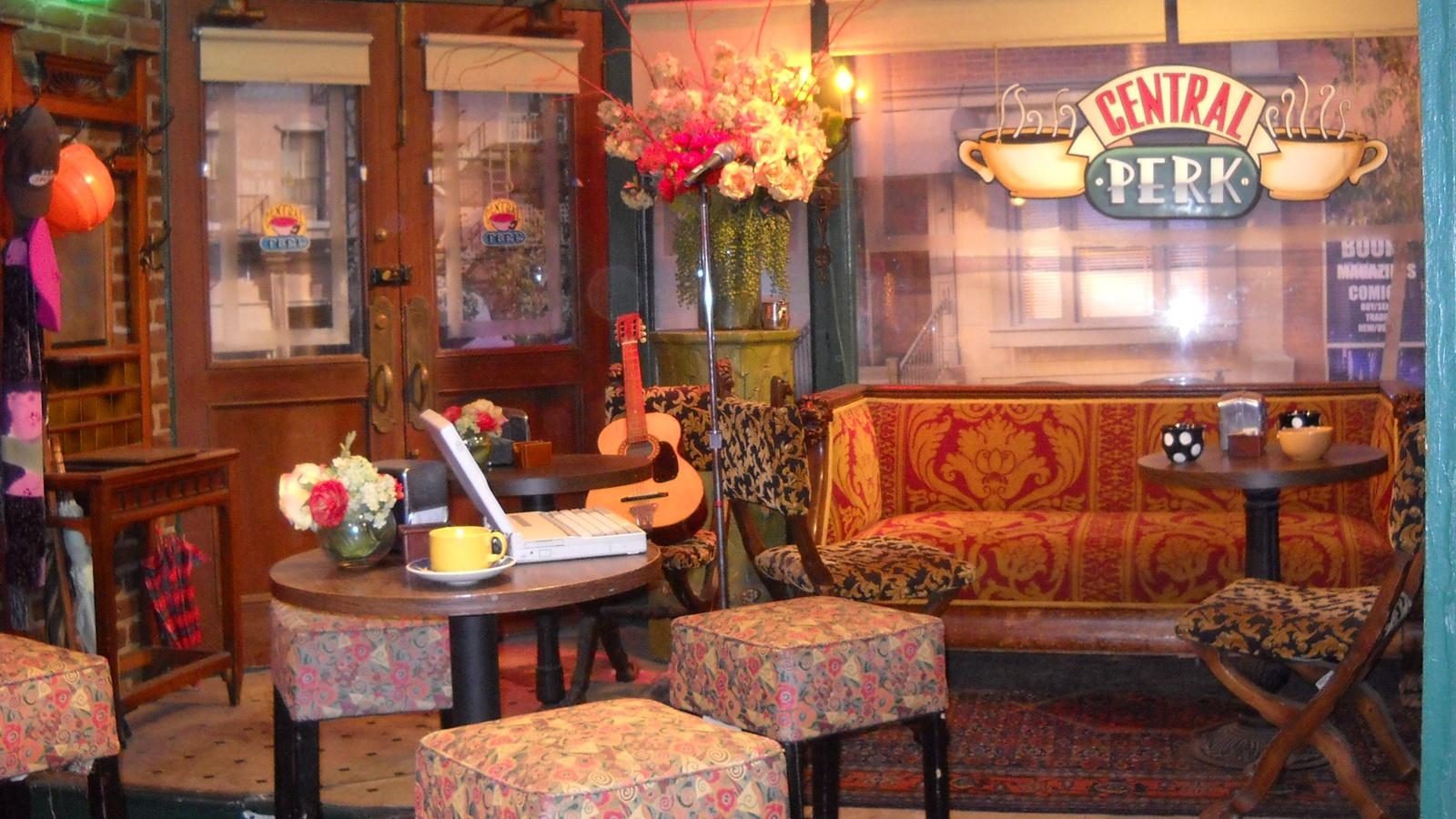
Third spaces are places like cafes, libraries, and parks where people can go to relax and socialize outside of their homes and workplaces.
These spaces have always existed but are becoming more important as people feel lonelier, especially after the Covid pandemic.
Third spaces help people feel connected and less lonely.
However, not everyone can access these spaces, and some people, especially women, may not feel safe in them.
Experts say that to feel better, people should try to build real relationships by spending time with others face-to-face and joining communities with shared interests.

Third spaces are neutral environments outside of home and work where people can meet and interact.
Examples include markets, tea houses, cafes, libraries, parks, religious courtyards, barbershops, and neighbourhood squares.
Third spaces help people feel visible and connected, turning physical proximity into social belonging.
These spaces are scarce in smaller towns and frequently inaccessible for rural and lower-income sections of society.
Women and gender minorities often face harassment in public and private spaces, making third spaces less safe.
Online alternatives like Discord and Reddit communities lack the sense of serendipity and face-to-face interactions.
Chronic loneliness is associated with increased stress, anxiety, depression, sleep disturbances, lower self-esteem, and poorer physical health.
Experts recommend intentional efforts to build real relationships through face-to-face interactions and participation in communities with shared interests.
- Who
- People in India, especially young adults, who experience loneliness and emotional disconnection.
- What
- Third spaces are neutral environments outside of home and work where people can meet and interact.
- When
- The concept of third spaces has always existed but has gained more attention post-Covid.
- Where
- Third spaces can be found in markets, tea houses, cafes, libraries, parks, religious courtyards, barbershops, and neighbourhood squares.
- Why
- To combat loneliness and provide a sense of social belonging and connection.
Accessibility and Inclusivity
Commercialization and Safety Concerns
Accessibility
Accessibility and Inclusivity
Third spaces should be accessible to all sections of society, including lower-income groups and those in smaller towns.
Commercialization and Safety Concerns
Many third spaces are currently inaccessible to lower-income groups and are scarce in smaller towns.
Safety
Accessibility and Inclusivity
Third spaces should be safe and welcoming for all, including women and gender minorities.
Commercialization and Safety Concerns
Women and gender minorities often face harassment in public and private spaces, making third spaces less safe.
- Definition
- Third spaces are neutral environments outside of home and work where people can meet and interact.
- Examples
- Markets, tea houses, cafes, libraries, parks, religious courtyards, barbershops, and neighbourhood squares.
- Benefits
- Help people feel visible and connected, turning physical proximity into social belonging.
- Challenges
- Scarce in smaller towns, frequently inaccessible for rural and lower-income sections of society.
- Safety Concerns
- Women and gender minorities face harassment in public and private spaces.
- Online Alternatives
- Discord and Reddit communities act as some form of respite but lack the sense of serendipity and face-to-face interactions.
- Psychological Impact
- Chronic loneliness is associated with increased stress, anxiety, depression, sleep disturbances, lower self-esteem, and poorer physical health.
- Solution
- Intentional efforts to build real relationships through face-to-face interactions and participation in communities with shared interests.