

Archive · 2 Jan 2026
Scientists Discover New Species in 2025
In 2025, scientists found several new species in different parts of the world.
In Qatar, they discovered a prehistoric sea cow that helped the environment by eating seafloor plants.
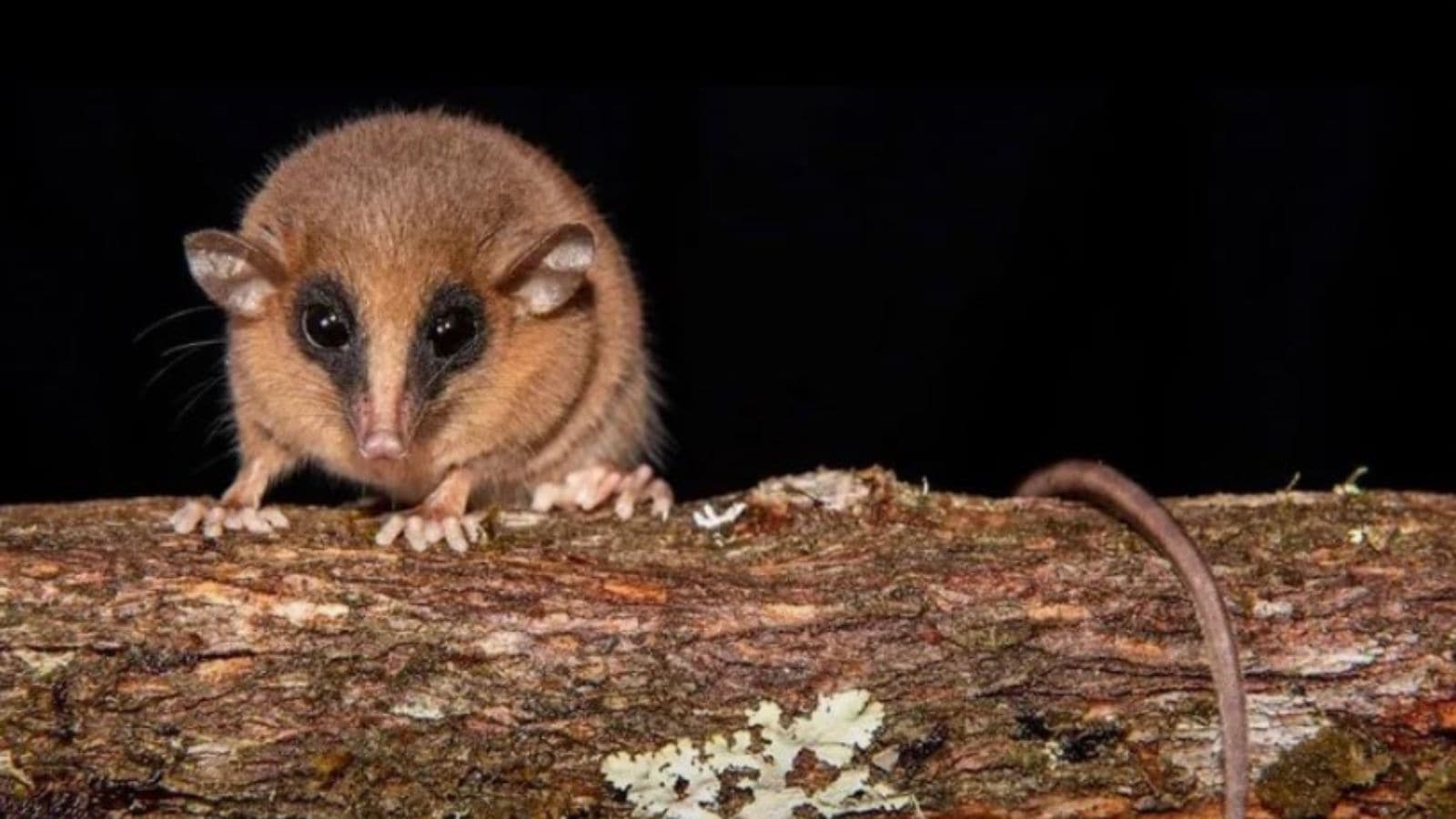
In the Andes, a tiny mouse opossum was found, which is at risk because of climate change.
A new type of spider was discovered in California, and a cute deep-sea fish called the bumpy snailfish was found in the Pacific Ocean.
In Tanzania, researchers identified three new species of toads that give birth to live young, but these toads are in danger of disappearing.
These discoveries help us learn more about nature and how to protect it.

Scientists discovered a prehistoric sea cow, Salwasiren Qatarensis, in Qatar that lived 21 million years ago.
A new species of mouse opossum, Marmosa Chachapoya, was found in the Andes and is threatened by climate change.
A new genus of spider, Siskiyu Armilla, was identified in Northern California through genetic analysis.
The bumpy snailfish, a deep-sea fish with distinctive features, was found 11,000 feet below the Pacific surface.
Three new species of live-birthing toads were identified in Tanzania, but they are in drastic decline.
- Who
- Scientists and researchers from various institutions
- What
- Discovery of new species in different parts of the world
- When
- In the year 2025
- Where
- Qatar, Andes, Northern California, Pacific Ocean, Tanzania
- Why
- To understand biodiversity and the impact of climate change
- Salwasiren Qatarensis
- Prehistoric sea cow found in Qatar, 21 million years old
- Marmosa Chachapoya
- New mouse opossum species found in the Andes
- Siskiyu Armilla
- New spider genus discovered in Northern California
- Bumpy Snailfish
- Deep-sea fish found 11,000 feet below Pacific surface
- Live-Birthing Toads
- Three new species of live-birthing toads in Tanzania