

Archive · 8 Nov 2025
Understanding and Managing Juvenile Idiopathic Arthritis in Children
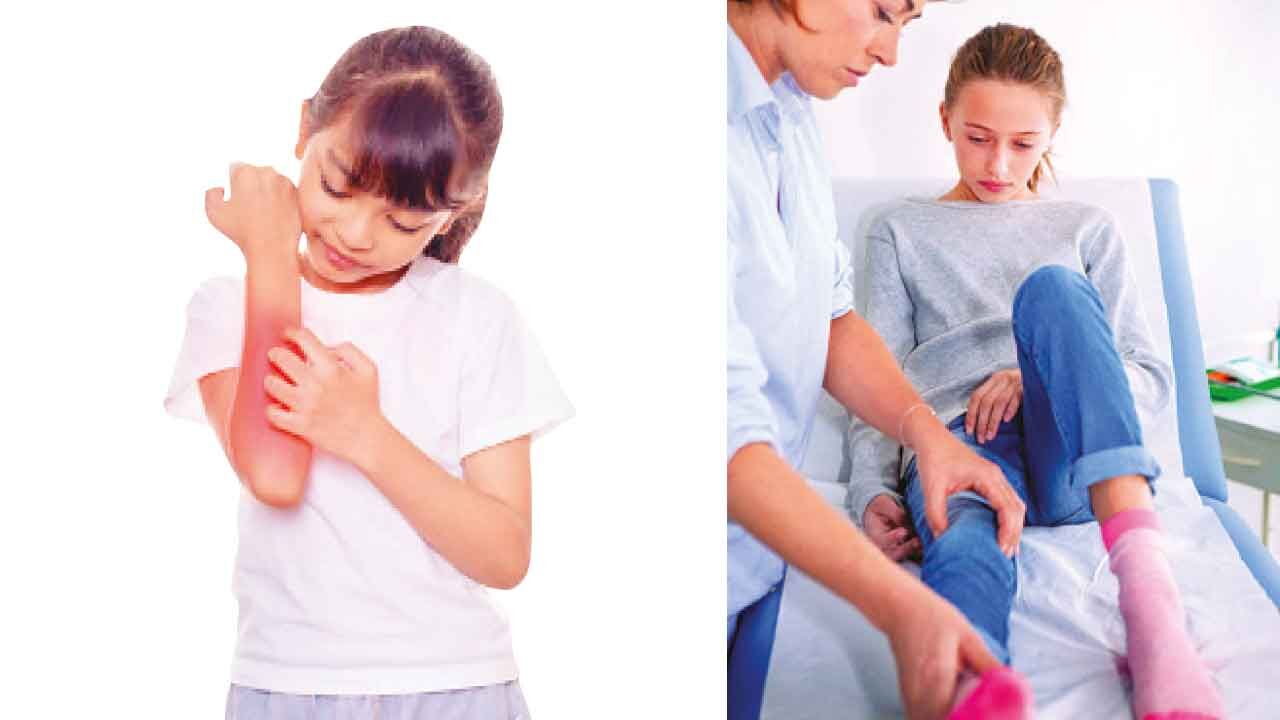
Imagine your body has tiny soldiers called the immune system that fight off bad germs.
Sometimes, in kids with a condition called JIA, these soldiers get confused and start attacking their own body parts, especially their joints.
This makes the joints hurt, swell up, and feel stiff, like when you wake up in the morning.
Because kids can't always say what's wrong, parents might notice they're limping or don't want to play as much.
This can even make one leg grow faster or slower than the other.
Doctors can help by giving medicine to calm down the confused soldiers and help the joints feel better.
Special exercises and activities like swimming also help keep the joints moving.
It's important for parents to watch for these signs and see a doctor early.
With the right care, kids with JIA can still play, learn, and do all the things they love.

Juvenile Idiopathic Arthritis (JIA) is a chronic autoimmune disease affecting children, distinct from adult arthritis.
Symptoms include joint pain, swelling, stiffness, limping, fatigue, and potentially eye issues and uneven limb growth.
JIA occurs when the immune system mistakenly attacks healthy joint tissues, with potential hereditary and environmental influences.
Early diagnosis and management, including medication, physical therapy, and emotional support, are crucial for positive outcomes.
With proper treatment, children with JIA can lead active and fulfilling lives, and many may outgrow the condition.
- Who
- Children
- What
- Juvenile Idiopathic Arthritis (JIA), an autoimmune disorder causing joint pain, swelling, and stiffness
- When
- Can occur in childhood; early diagnosis is critical
- Where
- Affects joints, can potentially affect eyes and limb growth
- Why
- Caused by the immune system attacking healthy joint tissues, potentially influenced by heredity and environmental factors like infection
Traditional View of Arthritis
Juvenile Idiopathic Arthritis (JIA)
Cause of Joint Pain
Traditional View of Arthritis
Joint pain is typically due to wear and tear associated with old age.
Juvenile Idiopathic Arthritis (JIA)
JIA is an autoimmune disorder where the immune system attacks healthy joint tissues.
Patient Communication
Traditional View of Arthritis
Adults can usually articulate their joint pain and discomfort clearly.
Juvenile Idiopathic Arthritis (JIA)
Children may struggle to express their symptoms, showing signs like limping or refusal to play.
- Condition
- Juvenile Idiopathic Arthritis (JIA)
- Nature of Disease
- Chronic autoimmune disorder affecting children's joints
- Primary Symptoms
- Joint pain, swelling, stiffness, limping, fatigue, irritability
- Potential Complications
- Uneven limb growth, eye issues
- Treatment Goals
- Manage inflammation, reduce pain, prevent joint damage
- Treatment Modalities
- Medications (NSAIDs, DMARDs, biologics), physical therapy, emotional support