Archive · 3 Sep 2026
Oil Nears $100 as Fresh US-Iran Strikes Revive Hormuz Fears
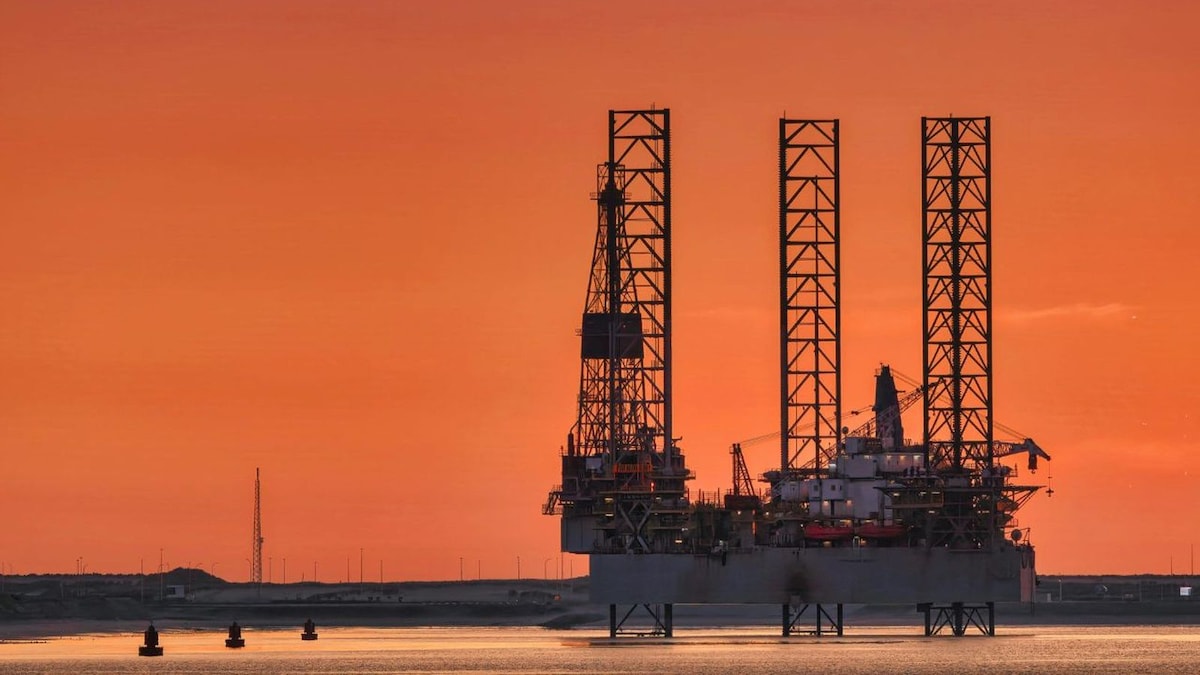
Oil became more expensive after fighting between the United States and Iran started again.
Traders are worried that the fighting could interrupt ships carrying oil through the Strait of Hormuz.
This waterway is used to move a large amount of the world's oil.
Reports said Iranian vessels and oil tankers were attacked.
United States officials said many ships were still able to pass through the strait.
Iran's Revolutionary Guard said the fighting had made the waterway more restricted.
United States refineries increased production because fuel prices and refining profits were strong.
Gasoline imports into the United States also fell.
Experts said oil supplies may be moving closer to balance, but major risks remain.

Brent crude reached $97.62 a barrel and West Texas Intermediate rose to $92.98 after fresh United States-Iran strikes.
Both oil benchmarks gained more than 10% this week, while crude is about 30% above its late-February level and nearly 60% higher this year.
The United States reportedly struck two Iranian vessels, while two supertankers leaving the Strait of Hormuz were reportedly hit by projectiles.
United States officials said oil shipments continued through Hormuz, including 40 escorted vessels carrying 18 million barrels on Tuesday.
United States refinery runs reached a seven-year high as gasoline imports fell to about 370,000 barrels a day.
- Who
- The United States, Iran, oil traders, shipping companies, United States refiners, and energy officials are involved.
- What
- Fresh United States-Iran strikes pushed oil prices near $100 a barrel and renewed fears about shipments through the Strait of Hormuz.
- When
- The latest escalation and price gains were reported on Thursday, September 3; the conflict began in late February, according to one report.
- Where
- The fighting and shipping concerns center on the Strait of Hormuz and the wider West Asia region.
- Why
- Markets fear that a prolonged conflict could disrupt oil shipments through Hormuz, while attacks, lower Saudi exports, and declining United States inventories add supply pressure.
Supply-Risk Concerns
Continued-Flow Assessment
Risk to Strait of Hormuz shipments
Supply-Risk Concerns
Renewed strikes, reported attacks on vessels, and expectations of a prolonged confrontation could disrupt the waterway and push oil prices higher.
Continued-Flow Assessment
United States officials said substantial volumes of oil continued to pass through Hormuz, including 40 vessels escorted through the strait carrying 18 million barrels.
Condition of the waterway
Supply-Risk Concerns
Iran's Islamic Revolutionary Guard Corps said the latest fighting had “only tightened the lock” on the Strait of Hormuz.
Continued-Flow Assessment
United States officials said oil continued moving through the strait, while additional volumes used pipelines that bypass it.
Global supply balance
Supply-Risk Concerns
Falling Saudi exports, declining United States crude inventories, attacks on tankers, and conflict-related disruptions are keeping upward pressure on prices.
Continued-Flow Assessment
Chevron Chief Executive Officer Mike Wirth said global oil supply and demand were moving back toward balance after increased flows through Hormuz, while acknowledging significant risks.
- Brent crude
- Rose to $97.62 a barrel, its highest level since July 27.
- West Texas Intermediate
- Gained 2.16% to reach $92.98 a barrel.
- Recent oil-price gains
- Both benchmarks rose more than 10% this week; crude was also reported to be about 30% above its late-February level and nearly 60% higher this year.
- Hormuz shipments
- United States officials cited 17 million barrels passing through the waterway on August 31 and average daily flows of about 8 million barrels.
- Alternative transport
- Another 4 million to 5 million barrels a day were reportedly moving through pipelines that bypass the strait.
- United States refinery activity
- Weekly refinery runs reached their highest level in seven years, while Midwest utilization reached 103.5% of capacity.
- United States gasoline imports
- Fell to about 370,000 barrels a day last week.
- Saudi crude exports
- Fell to around 3 million barrels a day in August, reportedly their lowest level in at least nine years.