

Archive · 30 Jul 2026
US‑Saudi nuclear deal and Turkey’s F‑35 return reshape Middle East
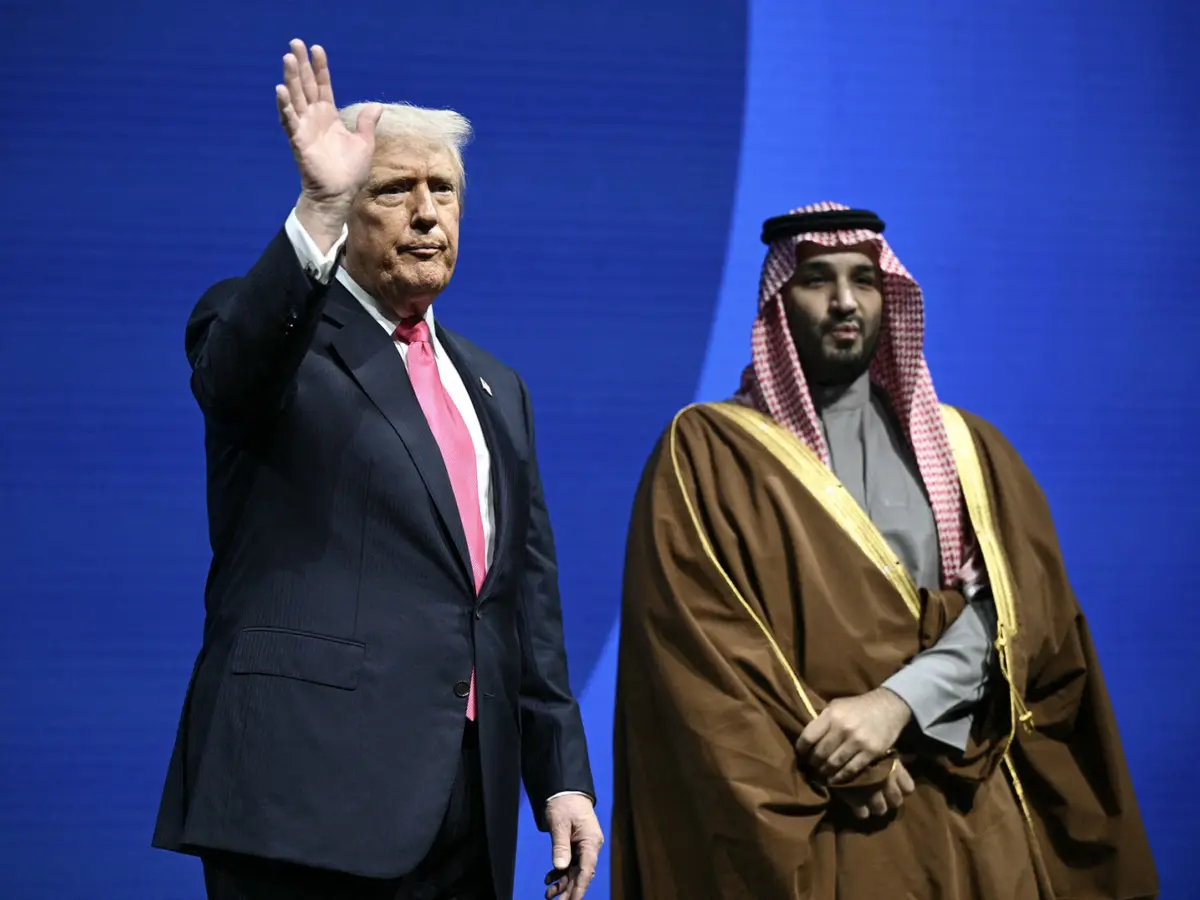
The United States is talking with Saudi Arabia about a deal that would let Saudi Arabia build nuclear power plants for energy, not weapons.
This could help Saudi Arabia feel safer from Iran.
The U.S. also wants to let Turkey use its advanced fighter jets again after Turkey bought a missile system from Russia.
Israel and some U.S. allies worry that giving more weapons to Saudi Arabia and Turkey might make Israel less powerful.
These moves could change who is strong in the Middle East and help the U.S. compete with China and Russia.

The United States is negotiating a civilian nuclear agreement with Saudi Arabia to expand Riyadh’s nuclear energy program while upholding non‑proliferation.
The deal could give Saudi Arabia greater security guarantees against Iran and counter regional threats.
Washington is also considering allowing Turkey to re‑join the F‑35 fighter‑jet program after its removal over the S‑400 purchase.
Israel and other U.S. allies worry that expanding U.S. arms sales could erode Israel’s qualitative military edge in the region.
The moves are seen as a counter‑measure to growing Chinese and Russian influence in the Gulf.
- Who
- United States, Saudi Arabia, Turkey, Israel, Iran
- What
- Negotiating a civilian nuclear agreement and considering Turkey’s return to the F‑35 program
- When
- Current negotiations
- Where
- Middle East, Washington, Riyadh
- Why
- To diversify Saudi energy, enhance security against Iran, counter Chinese and Russian influence, and maintain Israel’s military advantage
- Country of deal
- Saudi Arabia
- Partner
- United States
- Nuclear program
- civilian
- F-35 program
- Turkey potential return
- Security concern
- Israel qualitative edge
- Regional rival
- Iran