Archive · 26 Jul 2025
Climate Change to Reduce Crop Yields: Govt. Reports
Climate change, with its unpredictable rain and higher temperatures, is expected to hurt crop production.
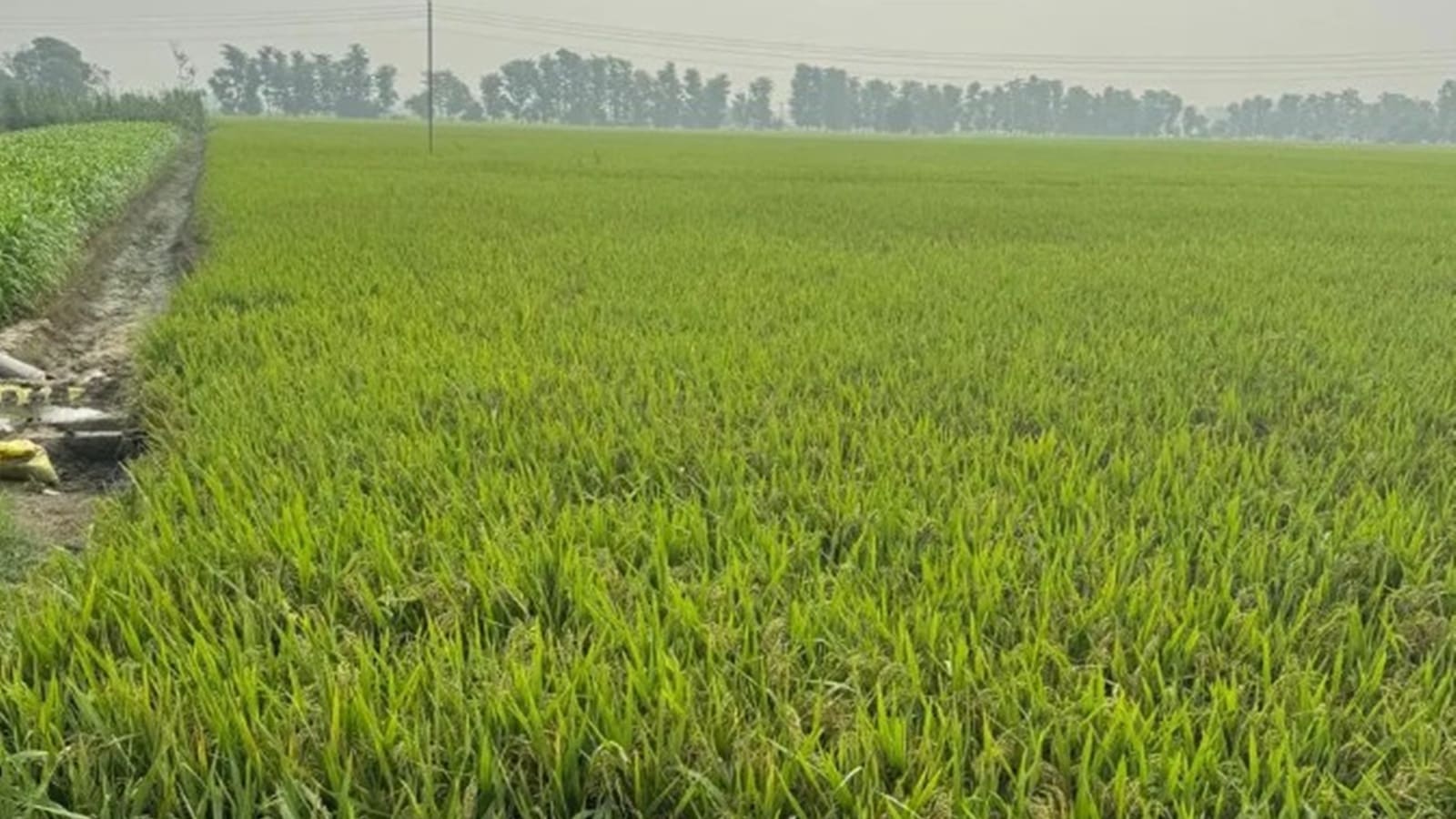
Studies show that rice, wheat, and maize yields could decrease in the future.
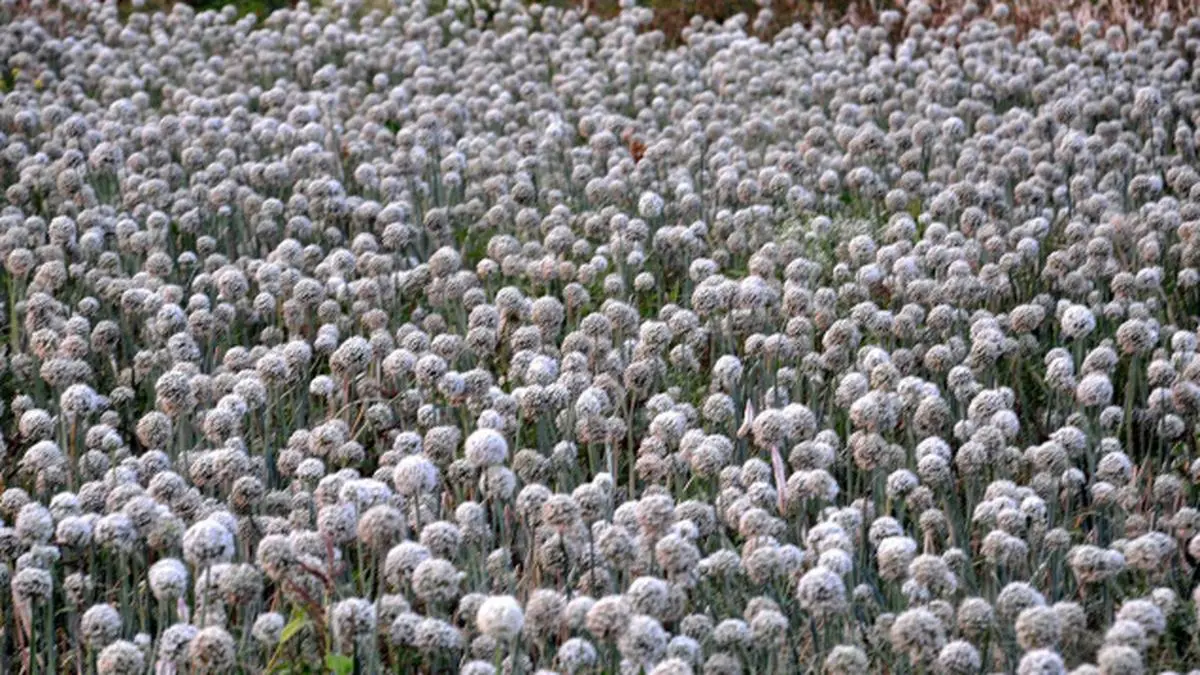
Specific crops like onions, tomatoes, and apples are particularly vulnerable, potentially leading to less harvest.
The government is responding by developing new farming techniques to help farmers adapt to these changes and ensure food production.

Climate change is likely to reduce rainfed rice yields significantly by the 2080s.
Irrigated rice yield is also projected to decrease due to climate change.
Wheat and kharif maize yields are expected to decline in the coming decades.
Horticultural crops are vulnerable, with potential yield losses in onions, tomatoes, and apples.
The government is promoting climate-resilient agricultural technologies.
- Who
- Union Minister of State for Agriculture, Bhagirath Choudhary.
- What
- Impact of climate change on crop productivity, including rice, wheat, maize, and horticultural crops.
- When
- Information shared during the ongoing monsoon session of Parliament on Friday.
- Where
- India.
- Why
- To inform about the potential impacts of climate change on agriculture and the government's initiatives.
Climate Change Impacts on Agriculture
Government Initiatives
Impact vs. Response
Climate Change Impacts on Agriculture
Climate change will negatively affect crop productivity.
Government Initiatives
The government is working to provide climate-resilient solutions.
- Rainfed rice yield reduction (2050s)
- 20%
- Rainfed rice yield reduction (2080s)
- 10-47%
- Irrigated rice yield reduction (2050s)
- 3.5%
- Irrigated rice yield reduction (2080s)
- 5%
- Wheat yield reduction (2050s)
- 19.3%
- Wheat yield reduction (2080s)
- 40%
- Onion yield loss
- 36.6%
- Tomato yield loss
- 65%
- Apple yield reduction
- 30%