

2 hrs ago
Aviva India Weighs Health Insurance Amid Full Ownership Transition
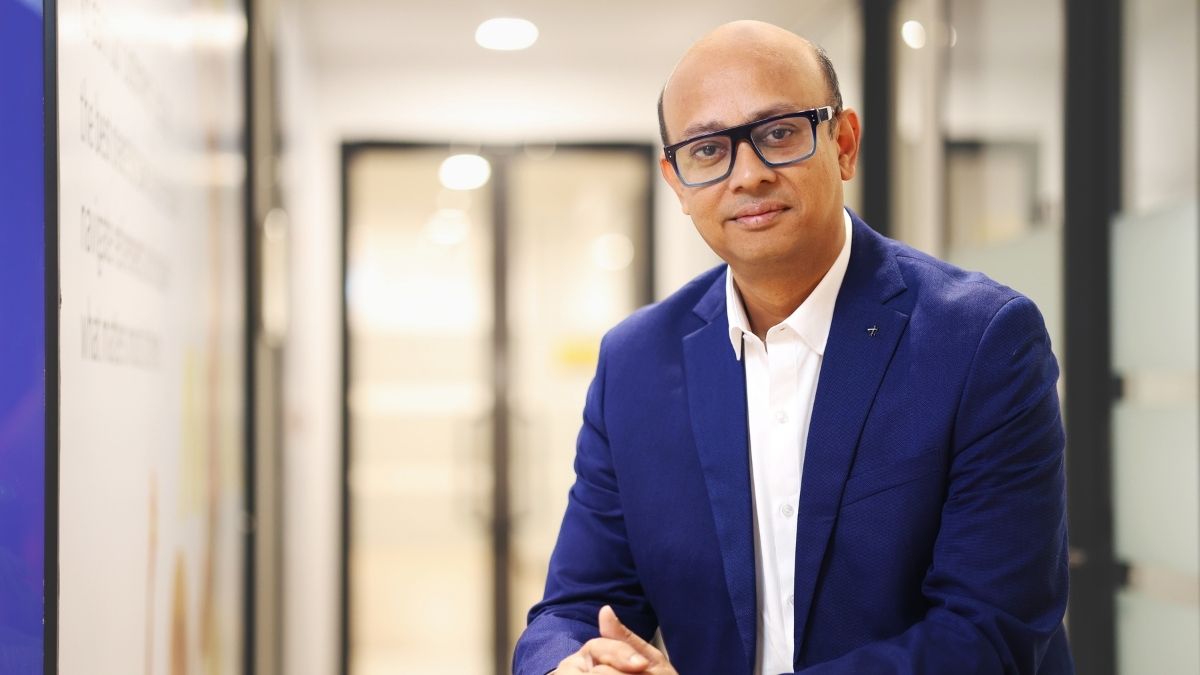
Aviva now owns all of its life insurance business in India after buying the remaining share from Dabur.
This gives the company more control over how it uses money and makes plans.
Aviva India is considering entering health insurance in the future.
For now, it is developing health products that its current licence allows.
The company sells insurance through banks, agents and its own employees.
It wants customers to keep their policies for longer.
Aviva India hopes to raise its policy-retention measures over the next few years.
It also wants to reach ₹500 crore in new business premium within two to three years.

Aviva acquired Dabur Invest Corp’s remaining 26% stake in Aviva India.
The full takeover is intended to speed capital allocation and strategic decisions.
Aviva India is developing reimbursement-led health products under its existing licence.
Its channels are evenly split among bancassurance, agency and direct distribution.
The company targets higher persistency and ₹500 crore in new business premium within two to three years.
- Who
- Aviva, Aviva Life Insurance Company India, Dabur Invest Corp and Asit Rath.
- What
- Aviva acquired the remaining 26% stake in its Indian life insurance subsidiary and outlined growth plans, including a possible health-insurance entry.
- Where
- India, involving Aviva’s Indian life insurance business and its UK headquarters.
- When
- The acquisition and plans were discussed in the interview; targets cover the next two to three years.
- Why
- Full ownership is expected to enable faster capital allocation and strategic decisions, while the company seeks growth and better business quality.
Key facts
- Ownership change
- Aviva acquired Dabur Invest Corp’s remaining 26% stake in Aviva India.
- Health insurance
- The company is developing a reimbursement-led health product under its existing licence.
- Distribution mix
- Bancassurance, agency and direct channels each account for about 33%.
- Product mix
- Traditional endowment products account for 20%, while ULIPs account for 60–65%.
- Persistency targets
- Aviva India wants 13th-month persistency to rise from about 70% to 80%, and 61st-month persistency to exceed 50%.
- Premium target
- The company aims for ₹500 crore in new business premium within two to three years, including ₹300 crore retail and ₹200 crore group business.
- Distribution reform
- Aviva supports proposed staggered distribution commissions, saying they could free funds for marketing and customer awareness.
Sources
Related news

Prudential Health India begins operations with HCL Group backing
Indian Bank Plans Life Insurance, Asset Management Expansion
India’s Health Insurance Providers Highlight Coverage, Cashless Care and Renewals

Staywell.Health Raises Equanimity-Led Investment for AI Insurance

IRDAI Bars Niva Bupa From New Locations Over Expense Breach

How to Calculate and Compare ₹1 Crore Term Plans

Cashless Health Insurance Still Leaves Policyholders With Out-of-Pocket Costs

Health Insurance Portability Still Favors Low-Risk Policyholders

Six Essential Money Moves Before Moving Back to India
