Archive · 3 Aug 2025
Chola Legacy Re-Examined Following Modi's Visit
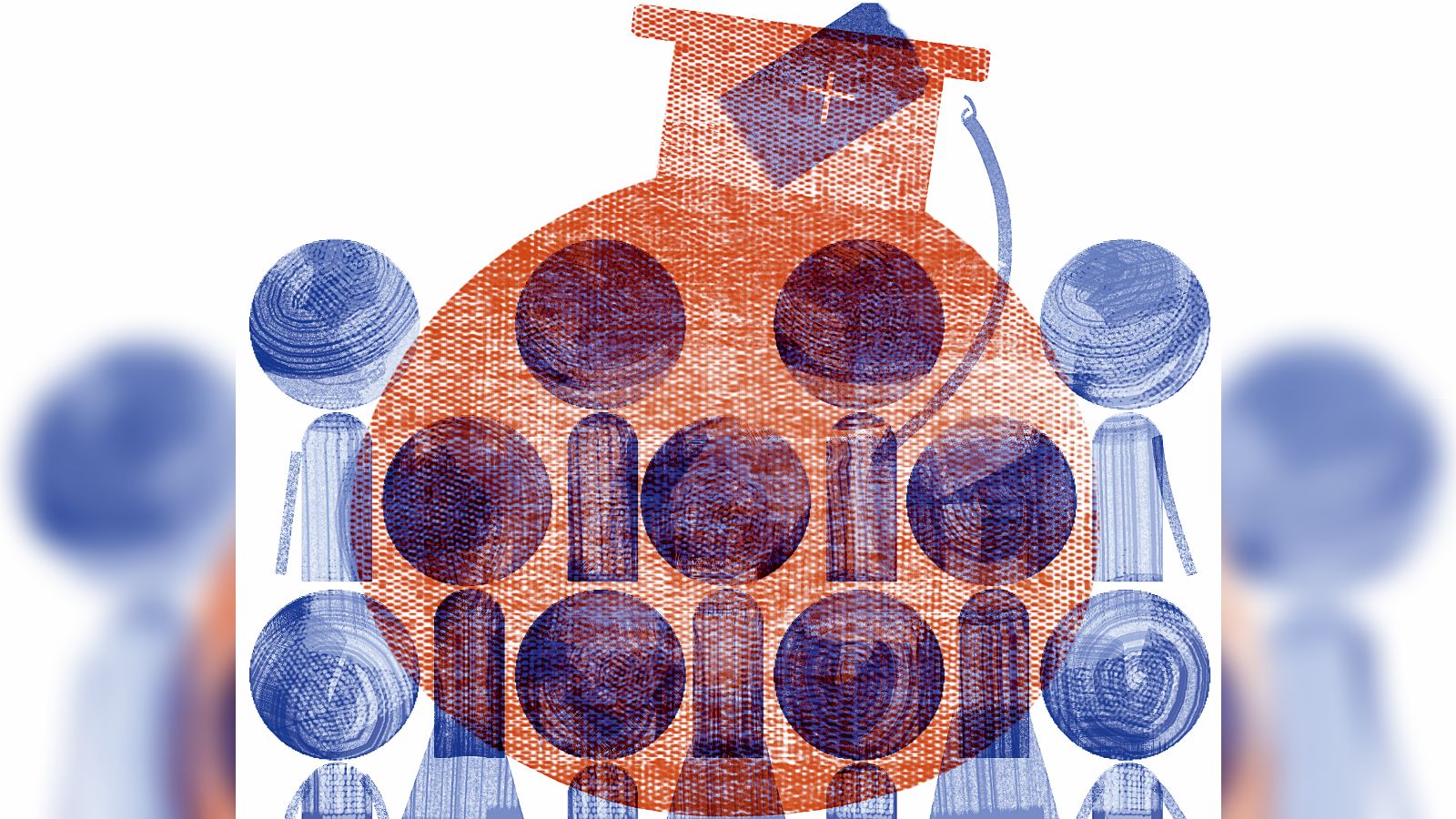
The Chola dynasty, an ancient Indian empire, is in the news again because of a recent visit.
They're known for their temples and supposed democratic practices, like elections.
However, these elections were limited to certain people, and the government had a lot of control.
The Cholas were also powerful traders and had a strong navy, but their expansion also involved taking wealth from others.
It's a reminder that history can be complicated, and we should consider all aspects when we study it.

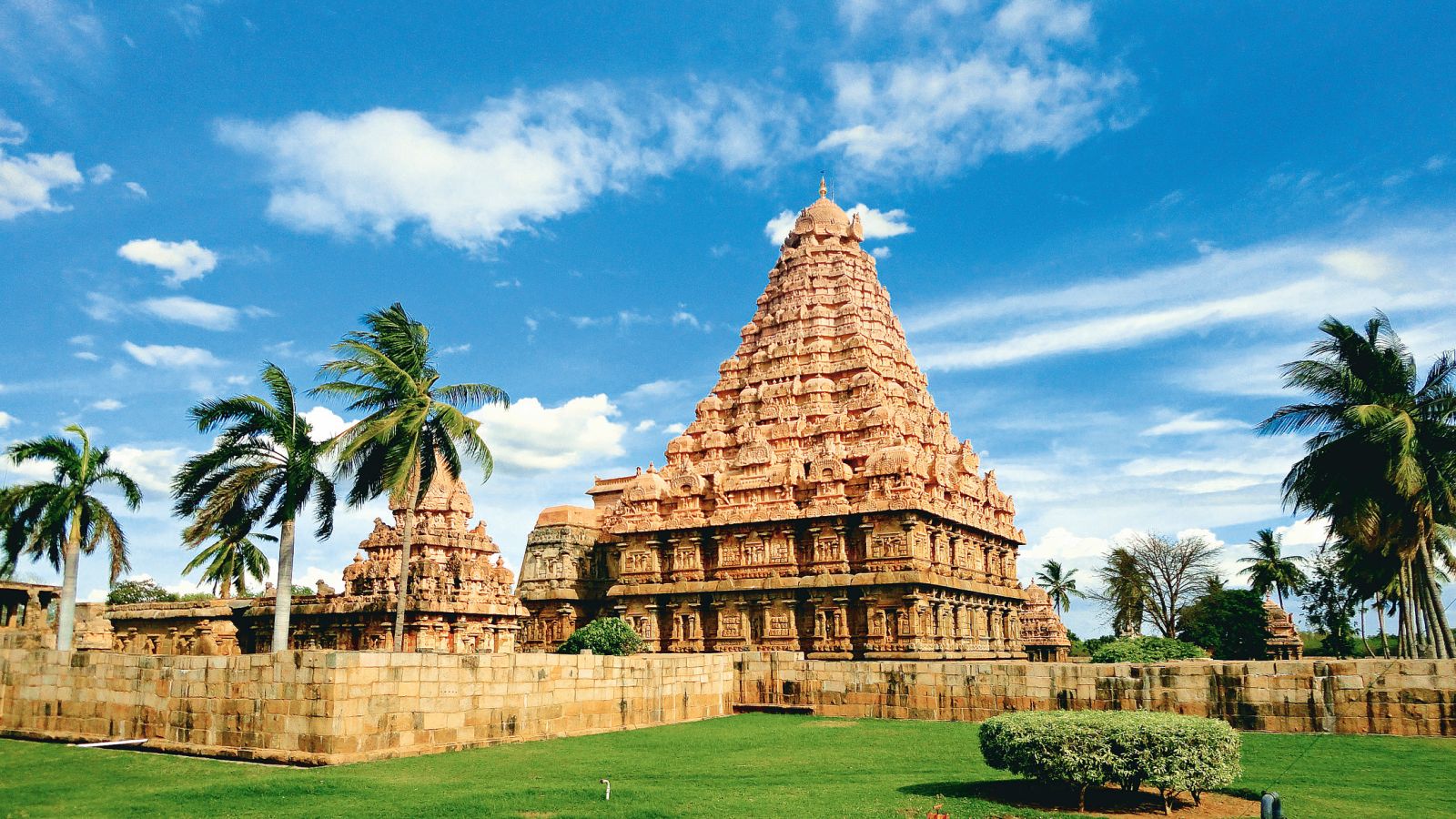
PM Modi's visit to Gangaikonda Cholapuram sparked renewed interest in the Chola dynasty.
The Cholas are remembered for their democratic experiments and architectural achievements.
Historians have debated the Cholas, highlighting their complex administrative and economic systems.
Chola elections involved a limited franchise and state oversight, contradicting the pure democratic ideal.
The Chola empire expanded through trade and naval power, resulting in both wealth and plunder.
- Who
- PM Modi, historians, the Chola dynasty, and the public.
- What
- Discussion of the Chola dynasty's history and legacy, prompted by PM Modi's visit.
- When
- Recent, with discussions and debate ongoing.
- Where
- Gangaikonda Cholapuram and other regions of the Chola empire (9th-13th centuries).
- Why
- To examine the history of the Cholas, particularly their governance and legacy, with a critical lens.
Romanticized View of Cholas
Critical View of Cholas
Focus
Romanticized View of Cholas
Focus on positive aspects such as democratic practices, architectural achievements and trade prowess.
Critical View of Cholas
Focus on critical analysis of governance, economic practices, and potential negative impacts.
- Dynasty
- Chola
- Capital
- Gangaikonda Cholapuram
- Period
- 9th-13th century
- Election System
- Kudavolai (lottery)
- Trade
- Extensive with Southeast Asia and China
- Naval Power
- Significant, used for trade and expansion